
- Home
- Wine World Tour - Australia & New Zealand


g'day, Tasters!
Welcome Down Under, to the captivating countries of Australia and New Zealand. While the former is massive, with a wide range of climates yielding all manner of wines, the petite islands of the latter are immensely affected by the ocean, producing reds and whites with intense flavor and a welcome freshness.
Your fourth World Tour collection is a delicious introduction to what each place has to offer. This page gives you a deeper dive into the environmental conditions, local traditions and cultures behind their wine industries—with the help of Ben Cohn, our local expert.
Keep scrolling to browse their most-planted grapes, discover what makes Australia tick, learn why New Zealand winemakers are saying “screw it” and more.

Learn what sets Australia Apart
A giant landmass—almost as big as the contiguous United States—with climates that range from tropical to Mediterranean to downright chilly, Australia is already a pretty darn unique place to make wine. But what really sets it apart on the world stage is its ancient soils and the incredible age of its vines.
Wine grapes arrived in Australia with European settlers in the 18th century, and viticulture took off soon after. Happily, these vines were planted prior to phylloxera (an invasive, vine-eating insect), which wreaked havoc in European vineyards. And, while the bug eventually found its way Down Under, its damage was contained quickly.
This means some of the oldest, continuously producing vines on earth thrive here, producing rich and concentrated fine wine styles.
Meet Our Makers
We source and share great wines from all over the world, but there are some producers with
whom we’ve established especially deep, long-lasting partnerships. Here are three to know from Down Under.
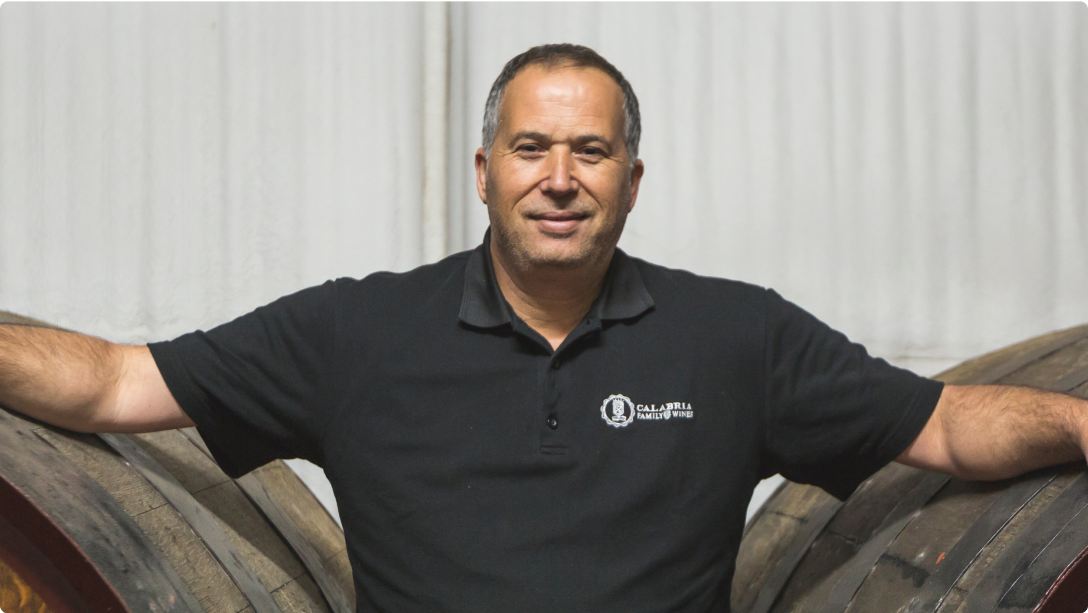
Sam Trimboli
Sam has been working in wine since he was just 14 years old and has more than 50 international medals plus over 500 Australian awards to his name. Today, he lives in Riverina, the largest wine producing region in New South Wales, where he’s been partnering with us for decades.

John & Beth Forrest
Born and bred in Marlborough, New Zealand, John earned a PhD in neurophysiology before founding Forrest Wines with his wife in the 1980s. Now, their daughter Beth has taken the reins, and continues their long history of working with us to create super-fresh Sauvignon Blanc and rosé.
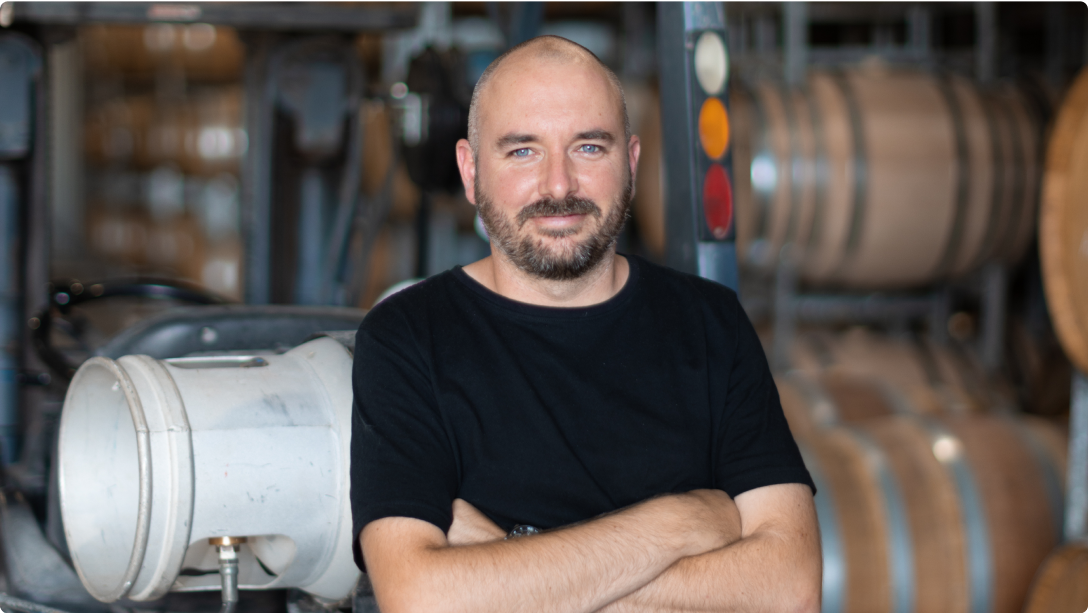
Darren Harvey
Darren fell for wine while working as a hotel manager in various countries. Upon returning home to Adelaide, he studied viticulture and oenology, then hit the road again to gain more experience. He joined RedHeads, one of our Vineyard Partners, in 2016, and became its winemaker in 2023.

sip on Sauvignon Science
Terroir—the special combination of soil, climate, topography and human influence that creates a sense of place—is key to defining the taste and style of any wine. But in New Zealand’s grapes, a naturally occurring compound called thiol plays a major role in creating the vivacious tropical and citrus aromatics we all know and love.
Thiols are a class of sulfur-containing organic compounds, which tend to be quite pungent. In wine, there’s a group of them that provides fruit aromas—passionfruit and citrus, for Sauvignon Blanc, specifically.
The science behind it all is constantly developing. For example, environmental factors like high UV rays (i.e. super-sunny days) have been shown to increase the production and concentration (as well as its human perception) of the compound. And it just so happens, New Zealand has the perfect blend of all these natural conditions.
why is New Zealand ditching corks
In the early 2000s, winemakers across New Zealand started to abandon corks and began sealing their bottles with screw caps.
The move wasn’t some random act of rebellion, but instead was driven by technical, environmental and more superficial factors.
Look below to learn more about the four big motives that inspired the switch.

TO AVOID
CORK TAINT
Caused by bacteria that can lurk on corks, cork taint causes wet cardboard aromas and flavors. It’s rare, but can devastate small producers, which make up most of New Zealand’s wine industry.

TO KEEP THINGS
NICE & EASY
Screw caps aren’t just a breeze to open, they’ve also been proven to keep wines fresher longer. Unlike porous natural cork, they have a tight seal that allows little-to-no air into the bottle.

TO PROMOTE
SUSTAINABILITY
Tin and aluminum screw caps can be recycled infinitely. They’re also easier to produce than natural cork, which can take up to 43 years to grow and requires highly skilled labor to harvest.

TO ESTABLISH
AN IDENTITY
On the world stage, New Zealand has a truly unique wine industry unbound by tradition. Screw caps are an extension of this ethos, distinguishing its bottles from those of “Old World” Europe.