Shipping to CT
Red WineWhite WineRosé WineSparkling WineMixed Wine$30+$20-$30$15-$20TrioSixTwelveGold Medal RedsGold Medal MixBordeaux RescueWorld Class Spring RoséView AllBROWSE ALL MIXED WINE CASESRed Wine White WineRosé WineChampagne & SparklingDessert WineRed BlendWhite BlendArgentinaAustraliaChileFranceItalyNew ZealandPortugalSouth AfricaSpainUSABordeauxBurgundyCaliforniaLoire ValleyMendozaPiedmontRiojaRhôneTuscany and CentralVenetoCabernet SauvignonChardonnayMalbecMerlotMontepulcianoMoscatoPinot GrigioPinot NoirProseccoRieslingSauvignon BlancSyrah/ShirazZinfandelLow AlcoholAward Winning Red WinesAward Winning White WinesTop Rated Red WinesTop Rated White Wines90 Point WineDry Red WineFine WineBiodynamicOrganic GrapesVeganVegetarianBROWSE ALL WINESBROWSE LATEST OFFERSClassic Red & White WinesClassic Red WinesPremium Red WinesMother's DayCorporate GiftingFoodiesHost GiftsBirthdayThank YouWeddingBoutique Bubbly SixWine & Cheese Lovers' Gift SetBest-Selling Reds SixBest-Selling Whites SixWine Gift BagsDartington DecanterSlate Cheese BoardRechargeable CorkscrewCrystal Champagne FlutesFrench-Style Steak KnivesBROWSE ALL GIFTSIntro to Wine & Food PairingPairing Wine with LambWine & Cheese PairingsHow to Pair Wine & ChocolateItalian Food and Wine Pairing GuideWine ColorWine Cork vs. Screw CapHow to Hold a Wine GlassCheat Sheet to Wine Btl. SizesPreserve & Store WineTaste Wine like an ExpertBest Dry White Wine for CookingWine for BeginnersSauvignon Blanc GuidePinot Noir Wine GuideChampagne vs. ProseccoBest Non-Alcoholic WineBest Wines for EasterBest Sparkling for MimosasHost a Wine Tasting at HomeBest Wine & Champagne for a Wedding ReceptionCorporate & Business Wine Gift IdeasBROWSE ALL ARTICLESBROWSE ALL WINES
  • Home
  • wine blog
  • how to guides
  • Wine Tasting Guide: How to Taste Wine like an Expert
Wine Tasting Guide: How to Taste Wine like an Expert

Wine tasting is a timeless joy that anyone can experience, regardless of whether you’re an avid wine enthusiast or a curious newcomer. By following some simple tips, you can unlock new levels of enjoyment and fully immerse yourself in each wine’s aromas, flavors and textures.

January 13, 2025

By Stephen, Senior Personal Wine Advisor

Read on for tips about how to taste wine like an expert.

What Do You Need For Wine Tasting?

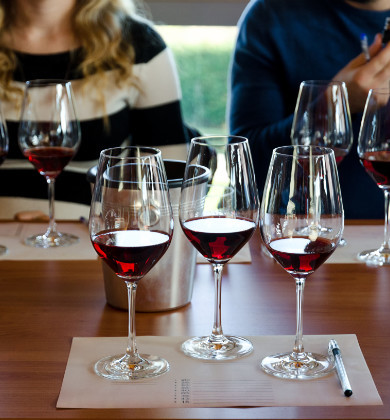
Wine: Choose a selection of red and white wines for your wine tasting—around 5-7 different styles of wines are best.

Wine glasses: Choose an all-purpose wine glass with a wide bowl that tapers towards the rim. This lets you swirl the wine and fully release and appreciate its aromas.

Appropriate lighting: Aim for natural lighting to expose the wine’s hue, intensity and clarity. If possible, choose a setting with a white background—a piece of white paper or a white tablecloth—can help you see a wine’s color.

Find the right temperature: Serving your wine at the correct temperature gives you the optimum experience from its flavors and aromas. Different wine styles have various temperature recommendations, so follow the appropriate guide.

Time to let the wine breathe: Certain wines, particularly bold reds, can benefit from aeration before tasting. This process is commonly referred to as decanting or “letting the wine breathe.” Its purpose is to allow oxygen into the wine and release its aromas and flavors entirely. Gently swirling the wine in the glass to help achieve this.

How to Taste Wine

The five S’s of wine tasting is a straightforward approach that is easy to remember and can guide you on your first wine tasting.

  • See: Look at the appearance of the wine.

  • Swirl: Hold the glass by the stem and gently swirl the glass bowl to release the wine’s aromas.

  • Sniff: Smell the wine and note what scents you can detect.

  • Sip: Taste the wine and focus on the mouthfeel and factors such as acidity, tannins and flavors.

  • Savor: Swallow and reflect on the experience, considering the flavors that linger in your mouth.

Wine Tasting Guide: Appearance

The color of a wine is one of the first things to consider.

Red wines usually range from pale ruby to deep plum shades, whereas white wines can vary from a pale straw to a deep gold. The sharpness of the wine’s hues can indicate the wine’s age; red wines tend to lighten and take on a brick-red hue with age, while white wines often darken and may turn amber or brown.

Observe the clarity of the wine, noting whether it is clear or hazy. A clear wine suggests quality filtration and winemaking techniques. However, in some instances, haziness could indicate a wine’s mature age or natural style.

Wine legs, or “tears,” refer to the streaks that trickle down the inside of the glass after swirling. How the legs form offers insights into the wine’s alcohol content and structure. If the wine has high levels of alcohol, the legs tend to trickle down slowly and are more pronounced. However, if the wine has low alcohol content, you’ll likely notice fewer appearing at a faster pace.

Wine Tasting Guide: Smell

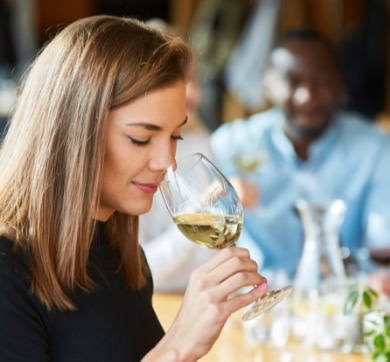
Hold the glass by the stem and start by carefully swirling the wine to free its aromas. This motion helps to aerate the wine and enhance the wine’s bouquet, producing an array of aromas.

Lower your nose to just above the rim of the glass and take a series of short inhales.

Begin to identify the primary notes, which derive from the grape variety. Can you detect fruit aromas like citrus, berry, tropical or stone fruit? You may also recognize floral notes like jasmine and elderflower or herbal fragrances like thyme. Take as many sniffs as necessary to discern as many scents as possible.

Next, think about secondary notes. Can you detect any oak aromas like vanilla, spice or toast?

You may occasionally discover the tertiary notes, which develop as the wine matures. These aromas, like tobacco, caramel, saline, earthiness, truffle or dried fruit, are often much more complex and nuanced.

How to Taste Wine

Texture

As you take your first sip, gently let the wine coat your mouth, covering your entire palate. The first thing to observe is the weight and texture of the wine. If the wine is light-bodied, you’ll notice that its texture resembles water, while more full-bodied wines tend to establish a heavier presence in the mouth, similar to cream.

Sweetness and acidity

Take note of the sweetness; wines high in residual sugar feel syrupy in the mouth and produce a light tingle on the tip of your tongue. Wines high in acidity tend to cause a tingling sensation around your tongue but leave your mouth feeling refreshed and cleansed after swallowing. In comparison, wines with low acidity usually have a richer and smoother taste.

Tannins

A wine that is high in tannins will create an astringent sensation in the mouth, leaving it feeling very dry. However, low-tannin wines often allow fruity flavors to come through more, so the wine tastes juicier.

Alcohol content

You can get a sense of how much alcohol is in the wine through the initial taste. Wines with high alcohol content may produce a warming sensation in the back of your throat.

Flavors

Try to identify the primary flavors first. Does it taste fruity, floral, herbal or earthy? Then take your time and another sip, and delve a bit more. If you can taste fruit, what type of fruit can you taste—berries, cherries, apples, pears or more tropical kinds like mango and coconut? Try to be as specific as possible; do the wine flavors resemble jasmine, elderflower, thyme or wet stone?
Savor the Taste

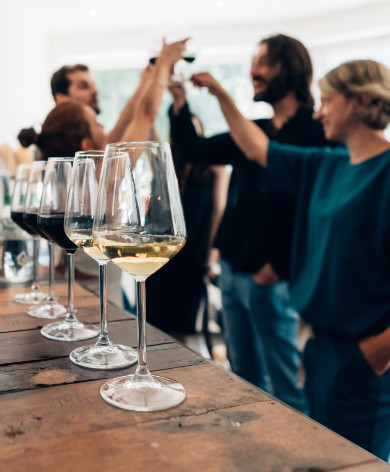
This is the part where you fully take in the experience of the wine tasting and process all the sensations.

After swallowing, bring your attention to the wine’s finish. Is it long or short? A long finish indicates a high-quality wine. Do the flavors linger in your mouth, or can you detect a new flavor? Usually, the more detailed and depth of flavor, the more complex the wine is.

Finally, consider the overall balance of the wine. Do the flavors, acidity levels, tannins and alcohol harmonize, or does one element dominate the rest? A clear sign of a well-balanced wine is when all components have equal proportions.


Begin Your Wine Tasting Experience Today

Wine tasting is a fun way to explore and experiment with new wine styles, especially with others, as you can compare your notes to see if you have similar findings. However, there are no right or wrong answers regarding wine tasting, as it is a subjective experience. What one person may consider unappealing, another may find delicious. Our taste buds and preferences are unique. Finding the perfect wine can take some practice, but it doesn’t make the process less enjoyable.

Fortunately, WSJ Wine offers a wide selection of delicious wines, all supplied with tasting notes to help you start your wine-tasting journey.

AUTHOR

STEPHEN, SENIOR PERSONAL WINE ADVISOR

After 30+ years working in Michelin-starred restaurants with famous chefs in Manhattan, I found that I really do love wine—so for the last 10+ years, I’ve worked here, and every day is an adventure!

  • WSET – Level 2 Wines & Spirits Certified
  • Certified Restaurant Sommelier for 20+ years, achieving two James Beard awards

Favorite Wine: Brunello • Amarone • Barolo • Fine Rioja • Top-End Bordeaux

stephen@wsjwine.com | (203) 523-2162