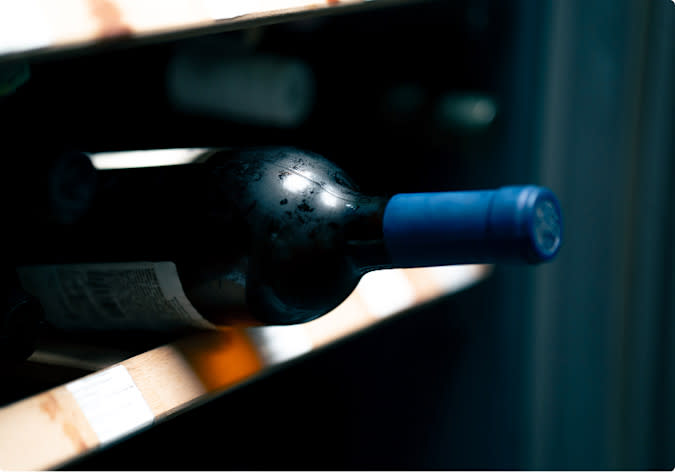
Shipping to CT
Red WineWhite WineRosé WineSparkling WineMixed Wine$30+$20-$30$15-$20TrioSixTwelveGold Medal RedsGold Medal MixBordeaux RescueWorld Class Spring RoséView AllBROWSE ALL MIXED WINE CASESRed Wine White WineRosé WineChampagne & SparklingDessert WineRed BlendWhite BlendArgentinaAustraliaChileFranceItalyNew ZealandPortugalSouth AfricaSpainUSABordeauxBurgundyCaliforniaLoire ValleyMendozaPiedmontRiojaRhôneTuscany and CentralVenetoCabernet SauvignonChardonnayMalbecMerlotMontepulcianoMoscatoPinot GrigioPinot NoirProseccoRieslingSauvignon BlancSyrah/ShirazZinfandelLow AlcoholAward Winning Red WinesAward Winning White WinesTop Rated Red WinesTop Rated White Wines90 Point WineDry Red WineFine WineBiodynamicOrganic GrapesVeganVegetarianBROWSE ALL WINESBROWSE LATEST OFFERSClassic Red & White WinesClassic Red WinesPremium Red WinesMother's DayCorporate GiftingFoodiesHost GiftsBirthdayThank YouWeddingBoutique Bubbly SixWine & Cheese Lovers' Gift SetBest-Selling Reds SixBest-Selling Whites SixWine Gift BagsDartington DecanterSlate Cheese BoardRechargeable CorkscrewCrystal Champagne FlutesFrench-Style Steak KnivesBROWSE ALL GIFTSIntro to Wine & Food PairingPairing Wine with LambWine & Cheese PairingsHow to Pair Wine & ChocolateItalian Food and Wine Pairing GuideWine ColorWine Cork vs. Screw CapHow to Hold a Wine GlassCheat Sheet to Wine Btl. SizesPreserve & Store WineTaste Wine like an ExpertBest Dry White Wine for CookingWine for BeginnersSauvignon Blanc GuidePinot Noir Wine GuideChampagne vs. ProseccoBest Non-Alcoholic WineBest Wines for EasterBest Sparkling for MimosasHost a Wine Tasting at HomeBest Wine & Champagne for a Wedding ReceptionCorporate & Business Wine Gift IdeasBROWSE ALL ARTICLESBROWSE ALL WINES
  • Home
  • wine blog
  • how to guides
  • How to Store Wine Correctly

How to Store Wine Correctly

Our top five tips to keep your bottles in tip-top shape

February 28, 2025

By Stephen, Senior Personal Wine Advisor

It doesn’t matter if you have one, six or 60 bottles, whether you’re building a serious wine collection or stocking up for near-future enjoyment: Storing your wine properly is important to ensure it’ll taste its best whenever you decide to open it. Ahead, we’ll guide you through five essential steps to storing wine at home, plus tell you the best way to store any open bottles you don’t finish (yes, that happens!).

But First: How Long Should You Store Unopened Wine, Anyway?

Well, that depends. Though most unopened wine will last for at least a couple years, not all bottles will necessarily taste better with age. (In fact, many “everyday” wines are meant for more immediate consumption, particularly if they cost less than $30.)

Unfortunately, there aren’t any standard set guidelines regarding the length of time you should (or can) store a bottle. Generally speaking, however, complex wines with a depth of flavor, and higher levels of acidity and alcohol—as well as more tannins, if we’re talking reds—are better suited to longer-term storage. Acidity, alcohol and tannins all act as a sort of preservative, helping the wine’s flavors to develop over time, rather than diminish; while wines that aren’t layered and super flavorful at the start will more or less fall apart with maturity.

It’s also important to remember that not everyone loves the taste of aged wine—it’s a matter of personal preference. While age helps tannins to soften and can create a smoother mouthfeel, after a few years, a wine’s primary fruit flavors fade and allow secondary, more savory, earthy or nutty characteristics to emerge. To some, that’s delicious. To others, not so much.

How to Store Wine Correctly

Keep it Cool (But Not Too Cold)…

Of all the factors that can affect wine, temperature may be the most important. A wine exposed to excessive heat will become “cooked” in nature, i.e. the fruit flavors spoil, and taste more stewed than fresh. Exposure to heat will also cause a wine’s cork to expand and contract, slowly exposing the wine to oxygen and essentially accelerating its aging process. (A phenomenon sometimes called “maderization.”) 

Keeping your wine too cold isn’t great either. Because part of wine is water, overly cold temperatures will cause the wine to freeze, destroying important acid and flavor compounds, and messing with its ultimate deliciousness. 

The sweet spot for wine storage is somewhere between 53- and 57-degrees Fahrenheit (a range commonly called “cellar temp” by industry folk). And you’ll want to make sure to maintain that climate, while you’re at it. Like excessive heat, too much temperature fluctuation will cause a wine’s cork to expand and contract, allowing in more of that pesky oxygen.  

…And Keep an Eye on Humidity

In addition to managing temperature, you’ll want to keep humidity in check wherever you plan on storing wine. A wine’s cork needs just the right amount of air and moisture to stay firmly in place. If a cork gets too dry, it’ll start to crumble, shrivel and shrink…once again opening the door to oxygen.

Too much humidity, meanwhile, gives way to another menace: mold. Beyond encouraging, uh, off-putting odors and flavors in your wine, mold can also damage the bottle’s appearance. That may not matter to you, but it might be less than great if you’re saving the bottle for a special occasion or planning to post about it on the internet.

Lay Bottles Down

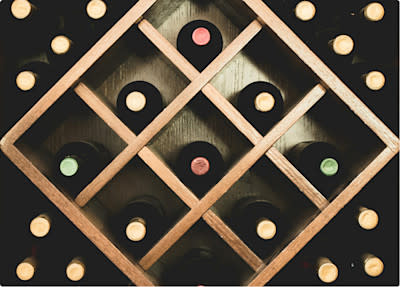
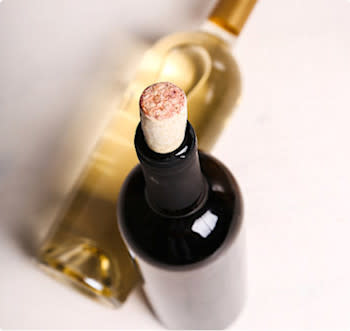
Storing wine sealed with a natural cork horizontally is also important. Laying a bottle on its side allows the wine to keep the cork moist and hydrated, helping to prevent any cork shrinkage and ensure it remains a buffer against oxygen. If your wine is closed with a screw cap or crown cap (aka a beer bottle cap), or you intend to open the bottle tomorrow, this isn’t technically necessary. However, storing wine horizontally is generally a better use of space (or at least looks neat and tidy).

Make Sure They’re Secure, Too

Vibration is another thing to consider when storing wine. Though not as harmful as heat or intense cold, too much jostling can potentially disturb any sediment in a wine bottle and negatively affect some of its chemical compounds, prematurely aging the wine and impacting its quality. If you don’t live under train tracks or next to a concert venue, this probably isn’t too much of a worry when storing wine. Even so, better safe than sorry: Avoid storing your wine near a washer or dryer, an HVAC system or in your exercise area.
Protect Bottles from Light

Lastly, make sure to store your wine bottles out of direct light, especially sunlight. The sun’s UV rays—as well as fluorescent bulbs, to a lesser extent—can dull flavors and basically quicken the aging process. In the worst-case scenario, they can convert the wine’s amino acids into dimethyl disulphide, a chemical compound that can smell and taste like wet wool, damp cardboard, garlic or old cabbage (a condition known as “light strike”). More delicate wines, like sparkling wines and white wines, are most susceptible to light damage, while those packaged in amber- or green-colored glass are a little less vulnerable. But it can happen to any bottle. 


So, Where is the Best Place to Store Wine?

Taking all these factors into account, you can cross places like the laundry room, boiler room or sunroom, a poorly insulated garage or attic, and by the oven or in the bathroom off your list of wine storage options. Because your regular home refrigerator is meant to keep a variety of foods very cold and dry for a prolonged period, even that should also be avoided for more than a week or two.

But you don’t need to go out and buy a special wine fridge or build out a real cellar, either. Any dark, relatively cool area—like a basement, closet or cupboard—should do just fine. As mentioned above, just be sure to lay bottles on their side and avoid doing jumping jacks (or another ground-shaking exercise) right next to them.  

And What About the Best Way to Store Wine That’s Open?

By this point, you may have figured out that oxygen is more or less enemy number one of a wine’s longevity. And uncorking a bottle exposes your wine immediately.

So, if you have leftover wine, the first step to preserving it is to reseal it quickly and tightly. In most instances, the cork you pulled should work just fine as a stopper—just be sure to put it back in as securely as possible. A reusable, rubber wine stopper will also create a tight seal, or, if you want to be fancy, you could invest in a vacuum wine preserver, which sucks the air out of an opened bottle.

It’s also a good idea to keep any resealed bottles in the fridge (even reds). In this case, the cold will help slow down the oxidation process temporarily, and generally, an open bottle of wine will be fine for 3–5 days. That said, a wine won’t technically hurt you if it’s been open for longer, it just might not be as delicious as you’re hoping.

Now that you know how to store wine, get shopping.

AUTHOR

STEPHEN, SENIOR PERSONAL WINE ADVISOR

After 30+ years working in Michelin-starred restaurants with famous chefs in Manhattan, I found that I really do love wine—so for the last 10+ years, I’ve worked here, and every day is an adventure!

  • WSET – Level 2 Wines & Spirits Certified
  • Certified Restaurant Sommelier for 20+ years, achieving two James Beard awards

Favorite Wine: Brunello • Amarone • Barolo • Fine Rioja • Top-End Bordeaux

stephen@wsjwine.com | (203) 523-2162