Shipping to CT
Red WineWhite WineRosé WineSparkling WineMixed Wine$30+$20-$30$15-$20TrioSixTwelveGold Medal RedsGold Medal MixBordeaux RescueWorld Class Spring RoséView AllBROWSE ALL MIXED WINE CASESRed Wine White WineRosé WineChampagne & SparklingDessert WineRed BlendWhite BlendArgentinaAustraliaChileFranceItalyNew ZealandPortugalSouth AfricaSpainUSABordeauxBurgundyCaliforniaLoire ValleyMendozaPiedmontRiojaRhôneTuscany and CentralVenetoCabernet SauvignonChardonnayMalbecMerlotMontepulcianoMoscatoPinot GrigioPinot NoirProseccoRieslingSauvignon BlancSyrah/ShirazZinfandelLow AlcoholAward Winning Red WinesAward Winning White WinesTop Rated Red WinesTop Rated White Wines90 Point WineDry Red WineFine WineBiodynamicOrganic GrapesVeganVegetarianBROWSE ALL WINESBROWSE LATEST OFFERSClassic Red & White WinesClassic Red WinesPremium Red WinesMother's DayCorporate GiftingFoodiesHost GiftsBirthdayThank YouWeddingBoutique Bubbly SixWine & Cheese Lovers' Gift SetBest-Selling Reds SixBest-Selling Whites SixWine Gift BagsDartington DecanterSlate Cheese BoardRechargeable CorkscrewCrystal Champagne FlutesFrench-Style Steak KnivesBROWSE ALL GIFTSIntro to Wine & Food PairingPairing Wine with LambWine & Cheese PairingsHow to Pair Wine & ChocolateItalian Food and Wine Pairing GuideWine ColorWine Cork vs. Screw CapHow to Hold a Wine GlassCheat Sheet to Wine Btl. SizesPreserve & Store WineTaste Wine like an ExpertBest Dry White Wine for CookingWine for BeginnersSauvignon Blanc GuidePinot Noir Wine GuideChampagne vs. ProseccoBest Non-Alcoholic WineBest Wines for EasterBest Sparkling for MimosasHost a Wine Tasting at HomeBest Wine & Champagne for a Wedding ReceptionCorporate & Business Wine Gift IdeasBROWSE ALL ARTICLESBROWSE ALL WINES
  • Home
  • wine blog
  • types of wine
  • How to Choose the Best Non-Alcoholic Wine

How to Choose the Best Non-Alcoholic Wine (Without Sacrificing Taste)

Learn how to choose the best non-alcoholic wine by understanding taste, sugar content, labeling, and brands—so expectations match what’s in the glass.

January 22, 2025

By Eileen, Wine Advisor Team Manager

For years, non-alcoholic wine carried a reputation for being little more than expensive grape juice. Anyone who has opened a bottle expecting a convincing stand-in for Pinot Noir and instead found something sweet or flat has encountered the category’s central challenge: It’s hard to duplicate the flavors and body that fermentation brings to wine.

This guide is for anyone avoiding alcohol—temporarily or long term—who still wants a wine-style option suitable for pouring into a glass and pairing with food. Rather than chasing a single answer to what is the best non-alcoholic wine, focus on how to choose bottles that align with taste preferences, expectations and comfort level. We’ll explain what actually drives quality in non-alcoholic wine, so you can buy the best possible option. 

Set the Right Expectations First for Non-Alcoholic Wine

The most common misstep with non-alcoholic wine is expecting it to replicate the weight, warmth and texture of its alcoholic counterpart. If you approach a bottle hoping for the depth of a 14% ABV Cabernet Sauvignon, even the best examples are likely to feel lighter by comparison.

A more reliable way to think about non-alcoholic wine is by style rather than substitution. Sparkling wines tend to deliver the closest traditional wine experience, while still styles vary widely in structure and sweetness. If you prefer drier profiles, clarity around sugar content usually matters more than familiar grape names.

Why Non-Alcoholic Wine Doesn’t Taste Exactly Like Wine

Alcohol plays a structural role in wine. It adds body, carries aroma and creates warmth on the palate. When alcohol is removed, that structure shifts, which is why non-alcoholic wine often feels lighter or more noticeably acidic.

Most non-alcoholic wines begin as fermented wine and then undergo dealcoholization, commonly through vacuum distillation or reverse osmosis. These methods remove alcohol while aiming to preserve aroma and flavor, though they can soften mouthfeel or reduce intensity.

It also helps to distinguish between dealcoholized wine and wine alternatives. Dealcoholized wines start as traditional wine, with alcohol removed later to retain a recognizable framework. Wine alternatives are built differently, often using grape juice, teas, or botanicals to create a wine-inspired profile rather than a traditional structure.

What a “Good” Non-Alcoholic Wine Should Taste Like

Rather than looking for an exact replacement, it’s more useful to consider whether a non-alcoholic wine comes together in the glass. It’s less about imitation and more about harmony and balance.

A well-made non-alcoholic wine typically shows:

  • Acidity that feels crisp instead of flat

  • Aromas that offer specific notes, rather than simple sweetness

  • Structure, often supported by oak or botanical notes

  • A finish that lingers briefly instead of dropping away

When these elements align, the wine feels deliberate and composed—even if it lacks the warmth and texture of alcohol.
Choose the Right Style for Your Taste Preferences

Rather than asking whether non-alcoholic wine tastes “real,” it’s more useful to consider whether a particular style suits your palate. Different styles respond differently to dealcoholization, and matching the style you already enjoy is often the most reliable way to find a satisfying bottle.

Richer, Full-Bodied Reds

For drinkers drawn to bold reds, this is typically the most challenging non-alcoholic category. Alcohol and tannins play a central role in creating weight and structure, and once alcohol is removed, those elements are difficult to replicate.

Some non-alcoholic red wines aim to rebuild depth through oak-influenced profiles, darker blends or added tannin sources. These bottles are usually better suited to food than to solo sipping.

Lighter, Fresher Reds & Whites

Crisp, lighter styles are often the easiest entry point into non-alcoholic wine. Typically white, though red options exist, these wines rely on natural acidity to create balance.

Because they depend less on weight or tannin, lighter styles tend to translate more successfully once alcohol is removed. Served well chilled, they’re particularly reliable for casual sipping and pairing with lighter meals.

Sparkling Options

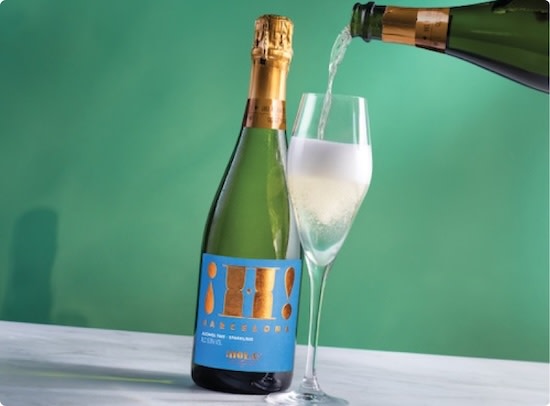
Sparkling non-alcoholic wines tend to offer the most convincing wine-style experience. Carbonation adds freshness and texture, helping compensate for the absence of alcohol.

Sweetness levels vary widely, so it’s worth checking labels. Sparkling styles generally show best when served cold and enjoyed soon after opening, as freshness fades faster than in still wines.

Check Sugar Content & Health Trade-Offs

Health is one of the main reasons people turn to non-alcoholic wine, yet sugar content often comes as a surprise. When alcohol is removed, wine can lose its body, and some producers add sugars to restore balance.

In the U.S., many non-alcoholic wines include nutrition panels, making sugar levels easier to compare than in traditional wine. Listings may appear per serving or per 100 ml, so be sure to read carefully.

If you’re looking for the best non-alcoholic wine with no sugar, the most reliable step is to consult the nutrition panel itself rather than relying on front-label claims.

In this category, “dry” usually signals a crisp, structured profile rather than overt fruitiness. Wines with higher acidity and lower residual sugar tend to feel more balanced and food-friendly, even without alcohol.

Understand Labels, Alcohol Content and Ingredients

Labeling is one of the most confusing aspects of shopping for non-alcoholic wine. Terminology isn’t always consistent, and small details can meaningfully affect whether a bottle fits your needs.

Alcohol-Free vs Non-Alcoholic

Alcohol-free (0.0%) indicates no alcohol listed on the label, while non-alcoholic typically means less than 0.5% ABV. For most people, the difference is minor. However, for those avoiding alcohol entirely—whether for health, religious or personal reasons—choosing 0.0% options and confirming the label matters.

Ingredient Transparency

Ingredient information is often more visible on non-alcoholic wine than on traditional wine. When available, it can offer useful insight into sweetness, structure and overall production approach.

Clear labeling doesn’t guarantee personal preference—but it does signal a more deliberate, transparent brand philosophy. Be cautious when ingredient details are vague or missing. 
Why Brand Matters More Than You Think in Non-Alcoholic Wine

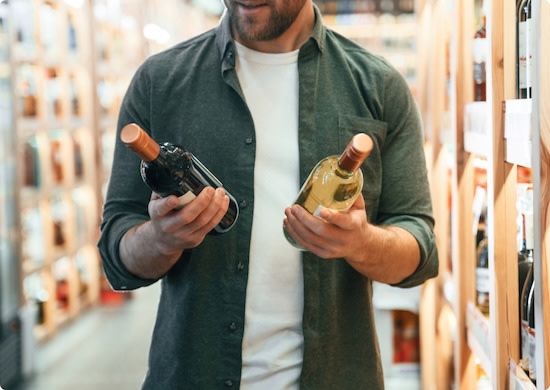
In non-alcoholic wine, the producer's approach often matters more than it does with traditional wine. Removing alcohol while preserving aroma and structure is technically demanding, and results vary widely.

What shows up most consistently in best rated non-alcoholic wine lists is not a single flavor profile, but producers that are transparent about how their wines are made. Those with a winemaking background tend to set more accurate expectations. Consistency across releases is another reliable cue. 

This is why established producers frequently appear in discussions of the best non-alcoholic wine brands—experience reduces risk, especially for first-time buyers.

Is Non-Alcoholic Wine Worth the Price?

Non-alcoholic wine can feel surprisingly expensive. In many cases, bottles still begin as conventional wine, then undergo an additional dealcoholization step that adds cost.

Price alone isn’t a guarantee of quality, but wines that clearly explain how they’re made and how sweetness is handled tend to offer more dependable value. For newcomers, mid-range options are often a safer entry point than the cheapest bottles.

When to Choose Non-Alcoholic Wine (and When Not To)

Non-alcoholic wine works best when the ritual and flavor of wine matter more than its effects. It’s often well suited to social occasions, Dry January, or situations where alcohol isn’t appropriate.

How to Make a Good First Purchase

If you’re buying non-alcoholic wine for the first time, a detailed approach pays off.

  • Start with sparkling or lighter styles

  • Choose producers with clear labeling

  • Check sugar content carefully

  • Buy from retailers with good turnover

  • Avoid bulk purchases at first

Once you identify styles that work for you, it’s easy to expand your selections.

If you are ready to explore, browse different non-alcoholic wine styles to see the variety we have available today.

The Final Word on Non-Alcoholic Wines

Taste is subjective, so it’s impossible to determine the best non-alcoholic wine. But you can choose a style that fits your preferences and the moment the bottle is meant for. With realistic expectations and a bit of comparison, non-alcoholic wine can be a thoughtful option.


FAQs

Does non-alcoholic wine taste like regular wine?

It can share acidity and fermentation notes, but it won’t replicate the warmth or weight alcohol provides. Sparkling and lighter styles tend to come closest.

Why does non-alcoholic wine taste different?

Alcohol contributes texture and aroma delivery. When it’s removed, other elements become more noticeable, and dealcoholization methods affect balance.

Does non-alcoholic wine contain sugar?

Many bottles contain some sugar, though lower-sugar options exist. When available, the nutrition panel is the most reliable comparison tool.

Is non-alcoholic wine completely alcohol-free?

Not always. “Non-alcoholic” typically means less than 0.5% ABV, while “0.0%” indicates no alcohol listed on the label.

Is non-alcoholic wine worth the price?

It can be. Bottles that clearly explain how they’re made and how sweetness and alcohol are handled tend to offer more reliable value.

Are there low-sugar or sugar-free non-alcoholic wines?

Some non-alcoholic wines are lower in sugar, though fully sugar-free options are uncommon. When information is available, reviewing the nutrition panel is the most dependable way to compare.

AUTHOR

EILEEN, WINE ADVISOR TEAM MANAGER

I have always enjoyed working with passionate people that I can learn from. Most importantly, we are all partners in wine who continue to grow, challenge and share our knowledge daily. What could be better?

  • WSET – Level 2 Wines & Spirits Certified
  • Sake Level 1 Certified

Favorite Wine: Red Burgundy • Barolo • Rhone Reds • I’ve never met a rosé I didn’t like!

eileen@wsjwine.com | (203) 523-2161