


What Else Can Affect a Wine’s Color?
Several factors can affect a wine’s color besides length of maceration, including:
- Grape variety—Different varieties have different skin color and thicknesses, which influences the color of the wine. For example, Pinot Noir grapes have thinner skins, creating lighter red wines, while Cabernet Sauvignon grapes (which have thicker skins) generally result in darker red wines.
- Climate—Grapes grown in warmer climates often develop thick, dark skins as a defense against the sun and heat. These grapes often produce wines with deeper colors. In comparison, grapes from cooler regions may have thinner skins and lighter colors.
- Winemaking techniques—Different fermentation methods and oak aging can also influence a wine’s final color.
- Age—As wines age, they are gradually exposed to small levels of oxygen, which breaks down some of their pigments. This is why aged white wines develop gold hints and red wines lighten and develop brick or tawny hues.
Ruby
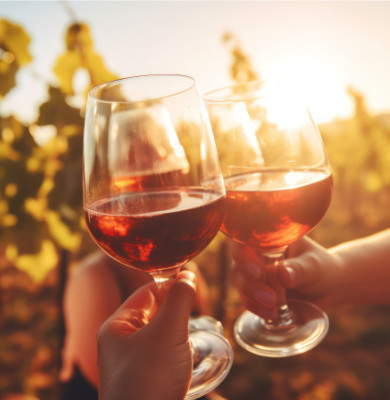
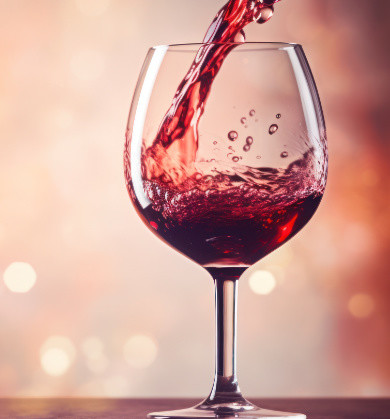
Immediately identifiable by their vibrant magenta hue, ruby red wines include the likes of Pinot Noir, Tempranillo, GSM (Grenache-Syrah-Mourvèdre) blends, Cabernet Sauvignon and Merlot. Ruby red wines are typically characterized by their bright, moderate acidity and smoother tannins.
Cabernet Sauvignon and Merlot are the darker-hued ruby red wines, with Pinot Noir the being lightest and Tempranillo and GSM blends landing somewhere in the middle.
Garnet
These wines’ high acidity, medium-to-full-bodies and high levels of tannins are reflected in their autumnal, deep red brick color. Garnet wines also come in various shades, with oak-aged Sangiovese being among the deepest, while Italian Nebbiolo red wines are typically among the lightest.
Purple
Wines such as Syrah, Petite Sirah and Malbec fall into this color category. Their deep, almost opaque purple color matches their typical full-bodied style, complex flavors and soft, velvety tannins. Tannat, also known for its intense, inky color and robust tannins, is a member of the purple-red wine club. In warmer years, the Gamay grapes from France’s Beaujolais region can produce wines with a purple color, although these tend to be lighter and brighter than the heavier purple wines made from Syrah, Petite Sirah and Malbec.
Shop our selection of premium red wines from across the world.
White Wine Colors
White wines are also available in various shades, which can give clues to their body and style.
Green-Tinged
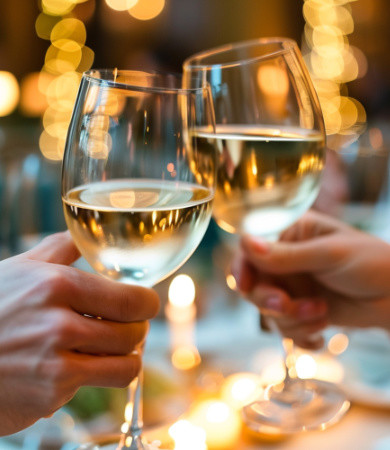
The lightest shade of white wines is often seen in younger, fresher wines. They look so light that they have a green tinge around the rim. These wines typically have fresh, fruity and sometimes herbaceous flavors, complemented by a dry, crisp acidity. Sauvignon Blanc and Vinho Verde fall into this category.
Straw or Pale Yellow
This color represents a broad range of white wines. Straw or pale yellow wines are typically fruit-forward and have a refreshing, balancing acidity. Popular varieties in this category include Albariño, Pinot Grigio and unoaked Chardonnay.
Deep Yellow/Golden
This deeper shade is typical in fuller-bodied, more mature or oak-aged white wines. Varieties such as oak-aged Chardonnay, Chenin Blanc, Sémillon or Viognier often have this color.
They feature complex flavors, including tropical or stone fruits, honey and warming spices balanced by buttery hints.
Amber
This is the darkest category for white wines and is usually the result of extended aging or winemaking techniques such as skin contact, which is used for orange wines—many “orange wines” are often described as amber-colored. Amber wines such as Marsanne, aged Chenin Blanc and skin-contact Pinot Grigio are typically full-bodied and complex, with flavors ranging from ripe fruit to honey, nuts and spice.
Rosé Wine Colors
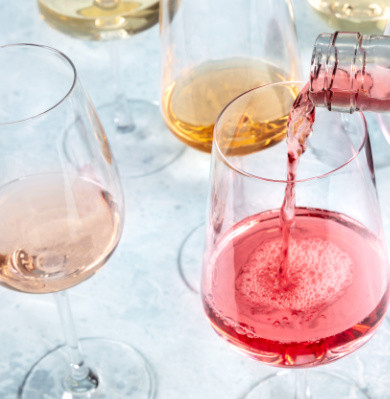
From barely-there blush pink to a deep rose, rosé wines look beautiful in every hue. Their shade is determined by how long the grape skins are left to macerate in the grape juice.
Rosé wines typically fall into several shades.
Pale Pink
Sometimes described as “blush pink,” “salmon pink” or “onion skin,” this is the lightest shade of rosé wine. These wines are typically delicate, crisp and dry, with flavors of red berry, melon and citrus. Provençal rosés and rosés made from Pinot Noir are some of the best examples of this style.
Medium Pink
Sangiovese and Grenache rosé wines typically come in a medium-pink shade—the result of a longer macerating process. Expect juicy, red fruit flavors and subtle spice hints balanced by a refreshing acidity and slightly more body.
Dark Pink/Cherry
Dark pink rosés are so dark, you could be easily mistaken for thinking they are light red wines. They typically have more tannins than lighter rosé wines, adding structure, a fuller body and richer red fruit flavors. Syrah and Mourvèdre rosé often come in this color. Just remember that darker doesn’t necessarily mean sweeter when it comes to rosé wines.

AUTHOR
KELBY, PERSONAL WINE ADVISOR
I found myself in the world of wine a decade ago. I’ve travelled, I’ve tasted, I’ve met some of my wine “rockstars!” I pride myself on being a resource for those seeking their own wine journey.
- WSET – Level 2 Wines & Spirits Certified
Favorite Wine: Beefy Cabs • Aged Malbec • Southern Italian Blends • Portuguese Reds • Châteauneuf- du-Pape (my favorite!)
kelby@wsjwine.com | (203) 523-2159