
- Home
- wine blog
- types of wine
- Pinot Noir Wine Guide

Elegant and well-balanced, Pinot Noir wines delight with lively acidity, gentle tannins and a blend of red fruit, floral and earthy aromas. A light body, complex structure, and silky tannins make Pinot Noir a great food partner, and it is a popular choice for both seasoned wine drinkers and those new to wine.
What is Pinot Noir?
Pinot Noir is a red grape variety known for producing some of the world’s most elegant and revered wines. Its origins lie in France’s Burgundy region, and it is celebrated for creating complex, elegant red wines that reflect the landscape and climate where the grapes are grown.
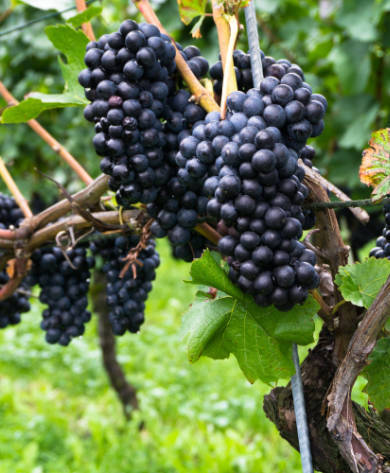
The grape gets its name from its pine cone-shaped clusters and the black color of its berries. Pinot Noir is known to be one of the trickiest grapes to grow. Its thin skin makes it susceptible to a wide range of diseases and pests, and it’s sensitive to changes in temperature, needing cool climates (but not too cold) to thrive.
The grapes grow in tight clusters, making them prone to rot and fungal diseases, particularly in damp conditions. Pinot Noir also ripens relatively early, leading to issues in regions where frost is a risk.
For all these reasons, Pinot Noir is often seen as a challenging grape for winemakers, but when it’s successful, the wines are highly prized for their complexity and depth.
Pinot Noir Wine Styles
The Pinot Noir grape is highly versatile and is used to create a variety of wines, both red and white, single-variety wines and blends, as well as sparkling wines.
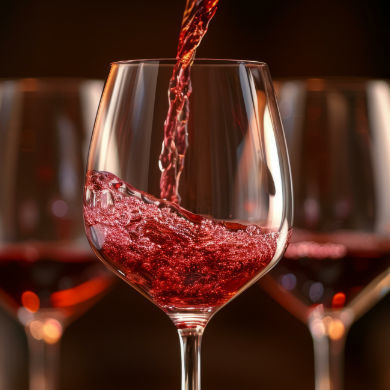
Red Wines—On its own, Pinot Noir produces some of the world’s most renowned and expensive red wines. These wines are generally light- to medium-bodied, with complex flavors of red fruits, floral notes and earthy undertones characterized by high acidity and soft tannins. The best are capable of aging for decades.
White Wines—While Pinot Noir is a red grape, it can be used to make white wines through the process of “Blanc de Noirs,” where the juice is quickly separated from the skins to prevent color transfer. These wines are most often used in Champagne. They retain the characteristically high acidity of Pinot Noir and often add body plus a complexity of flavor to the blend.
Rosé Wines—Pinot Noir rosé is typically light and refreshing, with notes of strawberry, cherry and raspberry. It can also have floral or mineral undertones. The color can range from a pale salmon to a more pronounced pink, depending on how long the grape skins are in contact with the juice during the winemaking process.
Blends—Pinot Noir is also used in blends, especially in Champagne, where it is one of the three main grape varieties alongside Chardonnay and Pinot Meunier. In such blends, it contributes body and depth to the wine. (When Pinot Noir and/or Pinot Meunier are used in a Champagne without Chardonnay, the wine is called a “Blanc de Noirs.”)
Sparkling Wines—Apart from Champagne, Pinot Noir is also extensively used in the production of other sparkling wines around the world, including Franciacorta in Italy, England sparkling wine and German Sekt. These wines range from rosé to Blanc de Noirs and provide a depth of flavor while maintaining the acidity and freshness that is desirable in sparkling wines.
In all these styles, Pinot Noir showcases its adaptability and versatility in creating high-quality, complex wines that are loved worldwide.
Where is Pinot Noir From?
Pinot Noir is grown in several wine regions worldwide:
- Burgundy, France—Burgundy, the original home of Pinot Noir, has been cultivating this grape for over a thousand years. The region is highly regarded for its Pinot Noir wines, which are elegant, complex and able to age gracefully. Burgundy Pinot Noir is scarlet with notes of red berries, currants and earthy undertones.
- Germany—Pinot Noir is a popular red grape variety grown in German vineyards and known locally as Spätburgunder. German winemakers usually produce a lighter-bodied version of Pinot Noir with earthy characteristics and red fruit flavors. These wines are often spicy with softer tannins and a vibrant acidity.
- Oregon, North America—The Willamette Valley in Oregon has a cool climate and diverse soils, making it an ideal location for growing Pinot Noir grapes. Due to its earthiness and acidity, the Pinot Noir produced in Oregon is often compared to the Pinot Noir from Burgundy. It has many flavors, including red and dark fruits, exotic spices and earthy notes.
- California, North America—The cool climate of California’s coastal regions produces fruit-forward Pinot Noir. These wines typically have flavors of ripe red and black berries, plum and cherry, with a hint of toasty oak due to the use of oak barrels during the wines’ aging process.
- Chile, South America—In the cooler coastal regions of Chile, Pinot Noir produces wines with bright fruit flavors like strawberry and cherry, paired with a refreshing earthiness.
- Argentina, South America—From Patagonia’s cool vineyards, these wines have a bright acidity that balances their rich, velvety tannins and intense fruit flavors.
- New Zealand—Pinot Noir wines from New Zealand’s Central Otago and Marlborough regions are known for their vibrant fruit flavors, often accompanied by a distinctive herbaceous edge amid ripe berry notes.
- Australia—Winemakers in the cooler regions of Yarra Valley and Mornington Peninsula produce a diverse range of Pinot Noirs. Warmer vineyard sites produce Pinot Noir with fuller, richer flavors of dark fruits and plush tannins. Cooler sites produce more delicate versions with subtle flavors of red fruits, floral notes and a fine acidity.
What Does Pinot Noir Taste Like?
Pinot Noir wines are known for their intricate and unique flavors and typically range from light to medium-bodied. The main flavors include:
- Cherry
- Cranberry
- Raspberry
- Strawberry
- Vanilla
- Floral notes like Hibiscus
With a hint of:
- Forest floor
- Mushroom
- Licorice
As Pinot Noir ages, it can become more complex, with earthy notes that remind us of mushrooms and the forest floor. When aged in French oak, the wine can also take on hints of toasty vanilla and baking spice, adding another layer of flavor.
Pinot Noir’s alcohol content varies depending on the conditions in which it was grown and the winemaking techniques used, but it generally falls within the medium range. The grape’s naturally high acidity and medium body combine to create a well-balanced wine.
Is Pinot Noir Sweet or Dry?
Pinot Noir is a dry red wine with high acidity, bright red fruit characteristics and velvety tannins.
The dryness of a wine is determined by the amount of residual sugar left after the fermentation process. During fermentation, yeast converts the sugar from the grapes into alcohol and carbon dioxide. When all the sugar has been converted, a dry wine is produced. However, sometimes the winemaker may intentionally leave a small amount of sugar behind (residual sugar) to add a hint of richness. Wines with just a few grams per liter of residual sugar are still classified as dry.
The bright cherry or raspberry notes in Pinot Noir might create a “sweet” sensation on your palate, but that sweetness comes from the ripeness of the grapes rather than actual sugar content. However, Pinot Noir is generally less dry than Cabernet Sauvignon or Tempranillo, which typically have a longer fermentation period.

Pinot Noir vs Merlot: What’s the Difference?
Pinot Noir and Merlot are both red wines and well-known for their versatility as a single- variety and blended wines, but they’re quite different.
Pinot Noir, originally from Burgundy, France, is typically light- to medium-bodied with high acidity and flavors of red fruits like strawberries and cherries. It’s often described as having an earthy taste.
On the other hand, Merlot, from Bordeaux, France, is usually medium- to full-bodied with soft tannins and a very smooth mouthfeel. Its flavors tend to be darker fruits like plum and blackberries, sometimes with hints of herbs or chocolate. It is often included as a component in red wine blends, whereas this is very rare for Pinot Noir.

What Foods Pair Well with Pinot Noir?
Pinot Noir is a complex and versatile wine with fruity and earthy notes plus high levels of acidity. This makes it a perfect choice to pair with a range of foods.
1. Eggplant Parmigiana
Baked eggplant and Pinot Noir make a great match due to their earthy undertones. The smoky and earthy flavors of grilled eggplant are enhanced when combined with the acidity and fruity sweetness of the wine. Pinot Noir’s bright acidity cuts beautifully through the rich cheese and tomato sauce, complementing the eggplant’s flavor without overpowering it.
2. Barbecue Pork Ribs
The smoky, rich flavors of barbecue pork ribs pair well with a ripe, full-bodied Pinot Noir. The wine’s fruity sweetness complements the caramelized, slightly charred exterior of the ribs, while its moderate acidity balances the fatty richness of the meat. The wine’s dark cherry and raspberry notes can match a sweet and tangy barbecue sauce well.
3. Grilled Salmon
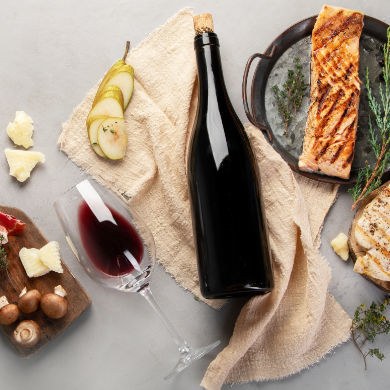
Pinot Noir is an excellent wine to pair with grilled salmon thanks to its bright acidity and red fruit characteristics. The wine’s light structure perfectly complements the rich, oily texture of the salmon without overpowering it. Pinot Noir’s acidity helps to cut through the fat of the fish, while its fruit-forward profile echoes the sweetness of the salmon.
4. Mushroom Risotto
The earthy flavors of the wine particularly complement mushrooms, adding depth and complexity to the combination. Pinot Noir wines from regions like Burgundy or Oregon tend to develop their own mushroom notes as they mature. These subtleties enhance the natural flavors of mushrooms, including porcinis, morels, portobellos and truffles.
5. Pepperoni Pizza
If you want to enhance the fruity plum and berry flavors in Pinot Noir, pair it with pepperoni pizza. The delicious and slightly spicy taste of pepperoni pizza complements the fruity taste of Pinot Noir wine. The rich tomato sauce and the salty, fatty pepperoni enhance the wine’s natural flavors of plum and berry. The wine’s bright acidity effectively cuts through the richness of the cheese and meat topping.
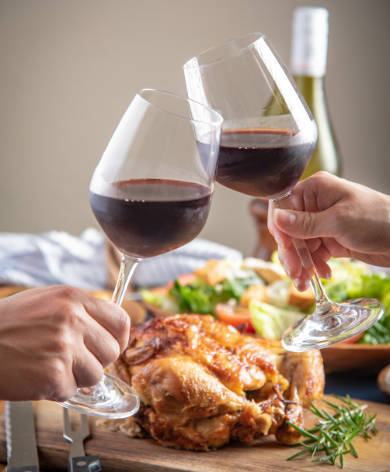
6. Roast Turkey or Chicken
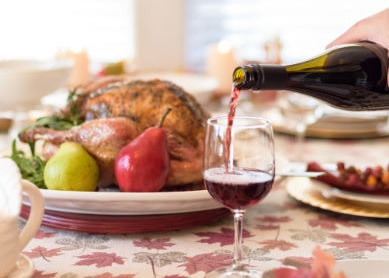
Whether you enjoy its light and fruity flavor or deep and earthy notes, Pinot Noir perfectly matches with roast turkey or chicken.
Thanksgiving and Christmas are perfect occasions to enjoy a special Pinot Noir wine with your loved ones. Pinot Noir’s flavors of mushrooms, forest floor and spices represent the season and go great with cheesy mushroom side dishes or truffle-flavored mac and cheese.
If you're a fan of cranberry sauce or if you're making stuffing with fruit, consider going for Pinot Noirs from Oregon, California, or New Zealand. The rich berry flavor in these wines pairs really well with the sweet and tangy flavors of cranberry sauce and herb-rich, dried fruit stuffing.
How Many Calories Are in a Bottle of Pinot Noir?
A standard 750-milliliter bottle of Pinot Noir typically contains around 600-625 calories. A standard pour is about five ounces and usually contains 110-125 calories. Pinot Noir generally has a light body and lower alcohol content, which contributes to a lower calorie count.
The calorie count in Pinot Noir red wine can differ based on various factors, such as the method of production, residual sugar content and alcohol by volume (ABV). A Pinot Noir with a higher ABV, for example, will contain more calories than the one with a lower alcohol content.

How to Serve Pinot Noir
Pinot Noir is best served at a cool temperature, preferably between 55–65°F. Lighter versions of the wine taste better when served cooler, while fuller-bodied, oak-aged Pinots are best enjoyed closer to 65°F. Refrigerate your wine for around 20 minutes before drinking it.
Generally, Pinot Noir is low in tannins and doesn’t need to be decanted, but more mature wines may benefit from brief decanting. To enjoy the wine’s aromas, serve Pinot Noir in a large, tulip-shaped glass.
How Long Does Pinot Noir Last Opened?
Once a bottle is opened, Pinot Noir starts losing its flavor and is best drunk within 1-3 days. Re-cork the bottle tightly or use a wine preserver to extend its lifespan. Consider using a wine vacuum gadget to remove air from the bottle to provide a complete seal. Store the resealed bottle in a cool, dark place or, better yet, in a refrigerator.
How Long Does Pinot Noir Last Unopened?
Pinot Noir is generally best consumed within five years of its vintage. However, some premium Pinot Noirs can last a decade or more if stored in proper cellar conditions. Store your wine in a cool, dark place with a consistent temperature of between 53-57°F. Store the bottle on its side to keep the cork moist, which helps prevent air from entering and oxidizing the wine.
What Are the Best Pinot Noir Wines?
Now for the best part! Here are some standout bottles of Pinot Noir wines:
1. Purple Owl Pinot Noir 2023, USA
This great-value Pinot Noir is from California’s esteemed Lodi region. It has vibrant black cherry and raspberry layers, subtle violet hints and a silky texture. A delightful aperitif, it also pairs well with meals like grilled salmon and roasted turkey.
2. The Mission Pinot Noir 2019, USA
A silky Californian Pinot Noir that boasts ripe red-berry flavors with vibrant freshness. This wine pairs well with many dishes, including meaty fish, chicken and vegetarian options.
3. Vinas de Vaquero Pinot Noir 2021
Made by the fourth-generation Robledo family in the cool vineyards of Sonoma County, this elegant Pinot Noir features expressive notes of black cherry, cranberry, truffle and cinnamon spice. It pairs well with various dishes, from grilled salmon to roasted turkey.
4. Le Secret des Etoiles Pinot Noir 2022, France
This luxurious Pinot Noir hails from France’s sunny Languedoc region. It has flavors of ripe strawberry, cherry, wild herbs and vanilla spice with a silky texture. Drink this refreshing wine with robust fish like tuna and oven-roasted poultry.
5. Momtazi Family Estate Pinot Noir 2016
This Pinot Noir from Oregon’s Willamette Valley has a beautiful translucent color similar to top Burgundies. It has expressive notes of ripe cherry, raspberry, earth and truffle. Enjoy this high-quality wine at a fraction of the cost of a comparable Burgundy.
Discover Your Perfect Pinot Noir
It’s not hard to see why Pinot Noir is a worldwide favorite. With French Pinot Noir’s earthy undertones, Californian Pinot Noir's fruity notes, and Oregon Pinot Noir's vibrant acidity, there’s a style to suit every taste. Cheers!
Discover our range of Pinot Noir wines and find something to suit every occasion.
Wine Subscriptions: Try Exciting Wines From Around The World
With a WSJ Wine subscription, you can discover the best wines from around the world. It’s an easy way to get your hands on wines you won’t find at your local grocery store.
A WSJ Wine club subscription offers wine lovers the opportunity to discover new wines from countries worldwide without leaving the house—you can select either our red, white, or mixed subscription cases, each containing a case of high-quality wines from across the world, to be sent to your door every three months.

AUTHOR
CANDICE, PERSONAL WINE ADVISOR
I have over 10 years of experience in the wine and beverage industry, and have tasted some of the rarest and most sought-after wines. I'm your ideal oenophile today—pour me a Cru Beaujolais.
- WSET – Level 2 Wines & Spirits Certified
- CMS – Level 1 Sommelier Certificate
Favorite Wine: Barolo • Natural Wine • Austria/Germany • Island Wines
candice@wsjwine.com | (203) 523-2164