
- Home
- wine blog
- types of wine
- Sauvignon Blanc Wine Guide: Discover Flavors, Pairings and Our Top Picks


Sauvignon Blanc Wine Overview
Bright, zesty and bursting with personality, Sauvignon Blanc has carved out its place as one of the world’s most beloved white wines. Grown across the globe but shaped by its roots in France, this vibrant grape variety is instantly recognizable for its piercing freshness and expressive aromatics. Sip it on its own or pair it with a tangy goat cheese, salads and more. With distinctive offerings from the Loire Valley to Marlborough, Sauvignon Blanc never fails to make an impression.

Sauvignon Blanc Wine Flavor Profile
Is Sauvignon Blanc Sweet or Dry?
Sauvignon Blanc is typically a dry white wine, though some bottlings have ripe tropical fruit aromas and flavors that can be perceived as sweetness. While each region and winemaker has its own style, the vast majority of Sauvignon Blanc are bone-dry with bracing acidity. In Bordeaux, it’s often blended with Sémillon for a softer, more rounded palate. It’s also used to create their world-famous Sauternes, a sweet wine made with Sauvignon Blanc grapes, as well as Sémillon and Muscadet, affected with Botrytis cinerea (aka noble rot), which concentrates flavors and sugar levels.
Body
Sauvignon Blanc is typically a light- to medium-bodied wine, depending on the region and winemaking choices. Its high acidity often makes it feel lighter on the palate, though riper styles—especially those aged in oak—can feel rounder and closer to medium-bodied. Most versions are unoaked to preserve their bright aromatics and zesty character. However, in regions like California and parts of Bordeaux, some producers use barrel aging to create more textured, fuller styles.
Acidity
One of Sauvignon Blanc’s defining traits is its naturally high acidity, which gives the wine its signature zip. Cool-climate regions, like the Loire Valley or Chile, help retain the grape’s natural high acidity, making for especially sharp and mouthwatering wines. In Maritime climates, such as New Zealand and Bordeaux, the moderate weather allows for higher ripeness levels while still retaining freshness. In warmer areas (referred to as Mediterranean climates) like California, Sauvignon Blanc softens slightly, offering a rounder impression.
Common Tasting Notes
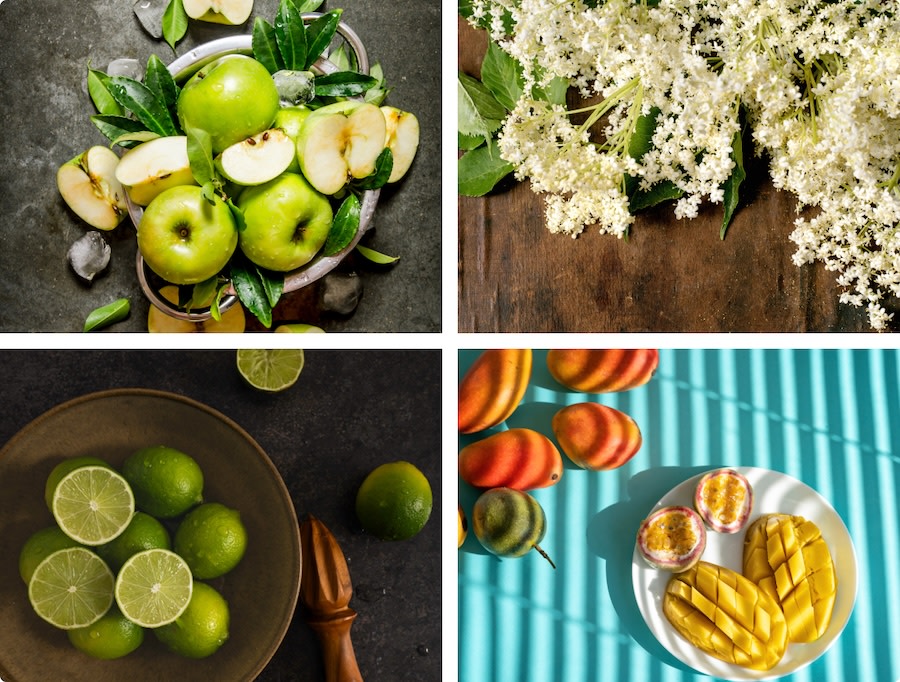
Sauvignon Blanc is famously aromatic and its flavor profile shifts depending on where it’s grown.
Cool-climate styles (Loire Valley, Chile, South Africa’s Elgin and Constantia regions):
- Nettle
- Lime
- Elderflower
- Green apple
Maritime-climate styles (New Zealand and Bordeaux):
- Cut grass
- Gooseberry
- Green bell pepper
- Guava
- Passionfruit
Mediterranean-climate styles (California, South Africa’s Stellenbosch region):
- Apples
- Melon
- Mango
- Papaya
These distinctive flavor signatures make Sauvignon Blanc easy to spot in a blind tasting—and incredibly expressive in the glass.
Sauvignon Blanc Wine Food Pairings
Sauvignon Blanc is one of the most versatile white wines for pairing, thanks to its crisp acidity and herbaceous notes. It goes great with foods that feature green herbs, zesty sauces and bright, tangy flavors—and brings out the best in both the food and the wine.
Pairing 1: Goat Cheese
Few pairings are as iconic as Sauvignon Blanc and goat cheese. The wine’s high acidity cuts through the creaminess of the cheese, while its herbal notes mirror the tangy profile. Try it with a warm goat cheese salad, herbed chèvre on crostini or a spinach and goat cheese tart.
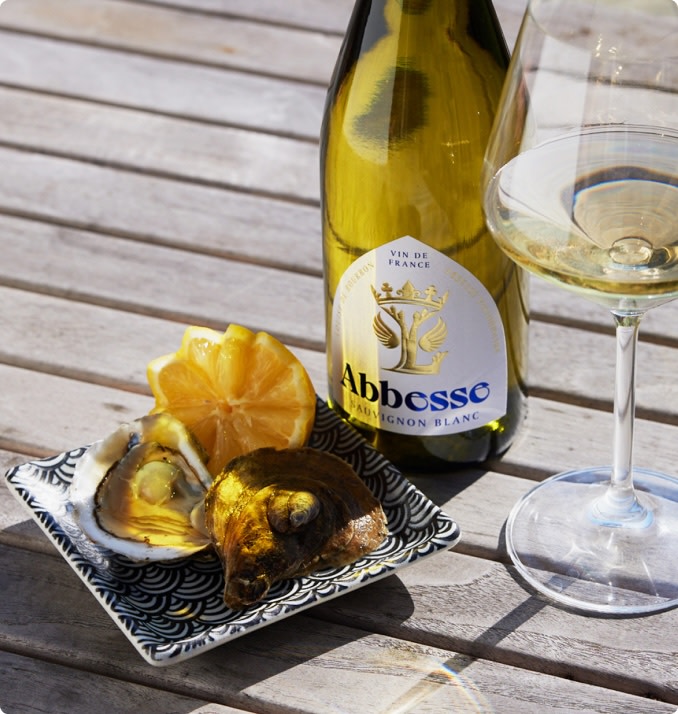
Pairing 2: Shellfish
The citrusy snap of Sauvignon Blanc is perfect for all kinds of fresh seafood, especially shellfish. Think oysters, lemony shrimp skewers, scallops, mussels or a zesty seafood ceviche. The wine's bright, saline lift enhances the shellfish's delicacy without overpowering it, making this a top contender among the best Sauvignon Blanc wine pairings.
Pairing 3: Herby Green Dishes
Dishes loaded with fresh herbs or green vegetables are a natural match for the herbaceous character of Sauvignon Blanc. Pesto pasta, asparagus risotto, zucchini fritters or a green goddess salad all highlight the Sauvignon Blanc wine taste beautifully. For vegan and vegetarian meals, Sauvignon Blanc brings structure and energy to otherwise delicate flavors.
France
- Loire Valley—The birthplace of classic Sauvignon Blanc wine, with world-renowned villages like Sancerre and Pouilly-Fumé. These wines are bone dry, mineral-driven and elegant, often showing notes of lime, flint and green apple.
- Bordeaux—Here, Sauvignon Blanc is often blended with Sémillon and sometimes Muscadelle. The dry whites are structured and occasionally oaked. In Sauternes, it contributes to some of the world’s most legendary sweet wines.
New Zealand
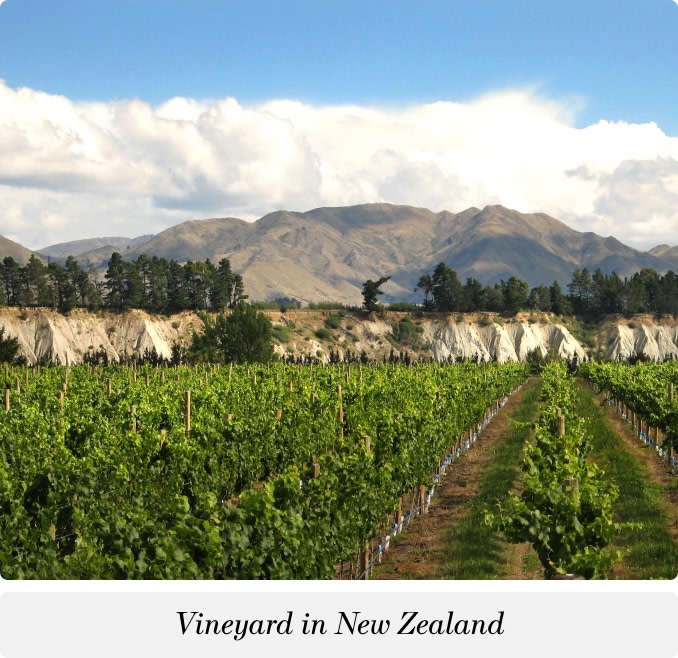
- Marlborough—This region on New Zealand’s south island has become one of the world’s go-to spots for Sauvignon Blanc over the last few decades. Expect vibrant acidity, passionfruit, lime and a distinctive green pepper or grassy note.
- Nelson—A boutique region known for delicate, floral Sauvignon Blancs with good structure.
Chile
- Casablanca Valley—Chile’s coastal influence and cool morning fogs help the grapes retain acidity and lead to zesty, citrus-driven Sauvignon Blancs. These wines often feature flavors of lime, grapefruit and subtle herbaceous notes, offering great value and freshness.
- Leyda Valley—Known for its cool-climate elegance, Leyda produces more precise, mineral-driven Sauvignon Blancs with vibrant acidity and a lean, structured profile. Expect green apple and gooseberry flavors, as well as saline notes.
Serving Sauvignon Blanc Wine
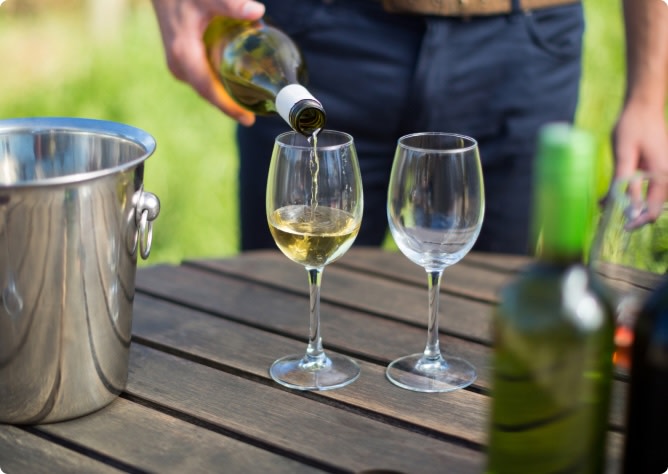
Serve Sauvignon Blanc well-chilled to bring out its freshness and preserve the delicate aromatics.
- Serving temperature: 45–50°F (7–10°C)
- Glassware: Use a white wine glass with a narrow bowl to concentrate aromas
- Chill time: 1.5 to 2 hours in the fridge or 20–25 minutes in an ice bucket
Aim for the cooler end of the range to highlight its crisp acidity. Avoid over-chilling, which can mute flavor. No need to decant—Sauvignon Blanc is a white wine, typically best enjoyed fresh and young (though some extremely high-quality releases in Sancerre can be aged for decades).
Serving wine the right way makes all the difference. Explore our blog for tips on how to serve wine—from storage and tasting to confident presentation.

AUTHOR
COURTNEY, PERSONAL WINE ADVISOR
One of my greatest intrigues is people and how complex, unique and exciting each of us is. I find my love of wine stems from those same characteristics, just on the other side of a corkscrew.
- WSET – Level 3 Wines Certified
Favorite Wine: Lightly Oaked Pinot Noir • South African Viognier • Portuguese Red Blends • Bright & Fresh Rosé • Australian Cabernet
courtney@wsjwine.com | (203) 523-2159