Shipping to CT
Red WineWhite WineRosé WineSparkling WineMixed Wine$30+$20-$30$15-$20TrioSixTwelveBBQ Reds DozenBBQ CollectionUSA Heritage CollectionSummer Rosé ShortlistView AllBROWSE ALL MIXED WINE CASESRed Wine White WineRosé WineChampagne & SparklingDessert WineRed BlendWhite BlendArgentinaAustraliaChileFranceItalyNew ZealandPortugalSouth AfricaSpainUSABordeauxBurgundyCaliforniaLoire ValleyMendozaPiedmontRiojaRhôneTuscany and CentralVenetoCabernet SauvignonChardonnayChiantiMalbecMerlotMontepulcianoMoscatoPinot GrigioPinot NoirProseccoRieslingSauvignon BlancSyrah/ShirazZinfandelLow AlcoholAward Winning Red WinesAward Winning White WinesTop Rated Red WinesTop Rated White Wines90 Point WineDry Red WineFine WineBiodynamicOrganic GrapesVeganVegetarianBROWSE ALL WINESBROWSE LATEST OFFERSHappily Ever After WinesClassic Red & White WinesClassic Red WinesPremium Red WinesFather's DayCorporate GiftingFoodiesHost GiftsBirthdayThank YouWeddingBoutique Bubbly SixWine & Cheese Lovers' Gift SetBest-Selling Reds SixBest-Selling Whites SixWine Gift BagsDartington DecanterSlate Cheese BoardRechargeable CorkscrewCrystal Champagne FlutesFrench-Style Steak KnivesBROWSE ALL GIFTSIntro to Wine & Food PairingRosé Food Pairing GuideChardonnay Pairing GuideWine & Cheese PairingsPairing Wine with LambItalian Food and Wine Pairing GuideWine ColorWine Cork vs. Screw CapHow to Hold a Wine GlassCheat Sheet to Wine Btl. SizesWomen Winemakers GuidePreserve & Store WineTaste Wine like an ExpertBest Dry White Wine for CookingWine for BeginnersChampagne vs. ProseccoPinot Grigio Wine GuideSauvignon Blanc GuidePinot Noir Wine GuideBest Non-Alcoholic WineMemorial Day WinesBest Sparkling for MimosasFather's DayHost a Wine Tasting at HomeBest Wine & Champagne for a Wedding ReceptionCorporate & Business Wine Gift IdeasBROWSE ALL ARTICLESBROWSE ALL WINES
  • Home
  • wine blog
  • types of wine
  • 10 Best Sangiovese Wines for 2026

10 Best Sangiovese Wines for 2026

Explore the best Sangiovese wines for 2026, from bright Chianti to complex Brunello and modern Tuscan styles. Find the right bottle for your taste and your table.

May 15, 2026

By Kelby, Personal Wine Advisor

Sangiovese is one of Italy’s signature defining grape varieties, featured in top regions throughout the country. The most famous come from Tuscany, where the grape variety is featured in historic regions, like Chianti and Brunello di Montalcino. It’s also included with other grape varieties in popular Super Tuscan red blends. Although Sangiovese appears in small pockets outside Italy, Tuscany is home to most definitive examples.

The best Sangiovese for 2026 provides a delicious taste of its top sites, showcasing its intense fruit flavors, wonderful balance and food-friendly acidity. Below, you’ll find standout bottles and styles to help you choose the right Sangiovese for you.


What Gives Sangiovese Its Character

So, what is Sangiovese? This native Tuscan grape variety naturally has high levels of acidity, firm but friendly tannins and a core of red fruit—typically cherry, cranberry or plum. But it can  also have a savory side: hints of dried herbs, tomato leaf, leather, earth or spice, all accenting the fruit flavors.

To many, what really stands out is the acidity, which makes it a natural partner to food. Oak aging can deepen the flavor profile, adding cedar, tobacco or a rounder texture to the wine. Even with oak influence, a good Sangiovese remains lively (versus heavy and unctuous). 


Exploring the Different Sangiovese Styles

To understand what type of wine Sangiovese is, it helps to look at how winemakers approach the grape. The Sangiovese wine profile changes noticeably depending on its region and the winemaking choices, like whether or not it has been aged in oak barrels.

Fresh, Everyday Tuscan Sangiovese

Younger Sangiovese styles (those released a year or so after the grapes are harvested) typically offer bright cherry fruit flavors and fresh acidity. They’re a great starting point for anyone looking for a lively, everyday Italian red. This type of Sangiovese can be found among entry-level Chianti and are perfect for pasta, pizza or other casual weeknight dinners.

More Structured, Oak-Aged Sangiovese

Some Sangiovese wines bring more fruit intensity, more texture and more structure, but without needing years in oak or the cellar. This could be a Chianti made with premium fruit and, additionally, aged in oak barrels. Many of the best Chiantis are sourced from top regions, such Chianti Classico (the most prestigious) and Rufina. It could also be a standout Sangiovese from Montepulciano (no relation to the Italian grape variety), called Vino Nobile de Montepulciano. Or it could be a Rosso di Montalcino. These young reds from the famous hilltop town of Montalcino only require 10 months in oak (versus the longer aging requirements for Brunello di Montalcino) and offer more structure and intensity than your typical Chianti or Tuscan Sangiovese.  

These more serious Sangioveses and they really shine alongside hearty pasta dishes or simply grilled meats, thanks to their intensity of flavor and firm structure created by greater acidity, tannin or oak influence.

The Ageability and Depth of Brunello di Montalcino

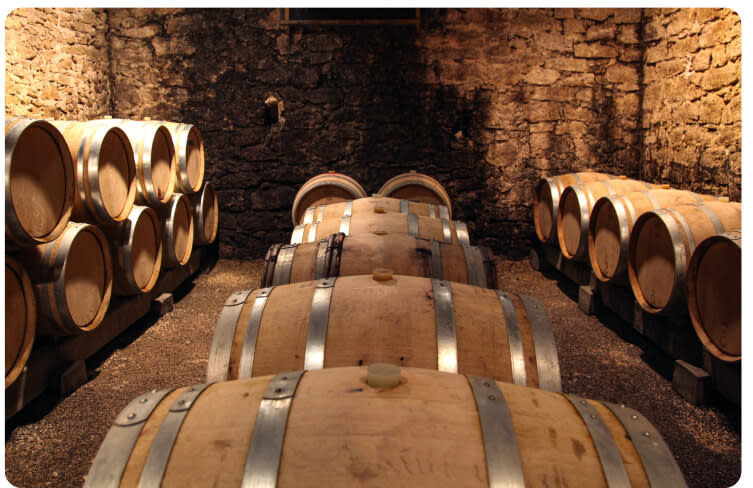
The village of Montalcino is one of the most revered in the world of wine. Brunello di Montalcino is a 100% Sangiovese aged for at least 5 years, at least 2 years in oak barrels. These wines tend to have more concentration, layered spice and complexity that reward a little patience. They keep that signature acidity, but contain extra layers of flavor and polish. Reach for these when you want something a bit more special than your usual bottle.
Super Tuscan Blends

Winemakers throughout Tuscany often blend Sangiovese with Cabernet Sauvignon, Cabernet Franc and Merlot to add softer textures and darker fruit flavors. Since the original Tuscan blends (Sassicaia and Tignanello) broke the existing wine laws by including non-permitted grape varieties, they could not be classified by the region they were from. And because they were so well-received, they earned the nickname ‘Super Tuscans.


How These Sangiovese Wines Were Selected

We chose these bottles for their balance, clear style and how well they work with food. You’ll find both classic Italian Sangiovese, Super Tuscan blends and more—each a delicious representation of the beloved grape variety. 


The 10 Best Sangiovese Wines to Try in 2026

This list covers the full range of Sangiovese styles you’ll find in our collection, from bright Chianti to layered Brunello and modern Tuscan blends. Each wine earned its place for balance and character.

For bright Tuscan reds with easy table appeal

Collezione di Paolo Chianti 2023

This classic Chianti hails from the Rufina district and delivers the bright cherry lift and savory edge you expect from traditional Sangiovese. It emphasizes freshness and polished tannins, making it a go-to food wine. It’s a perfect example of why Chianti is such an easy, natural way to get into Sangiovese.

Pair it with: Pizza, tomato-based pasta, antipasti or a relaxed midweek dinner.

Collezione di Paolo Poggerissi 2024

This Tuscan red is made with grapes just outside the Chianti region and keeps all the familiar Sangiovese charm, but softens the edges a bit. You’ll get juicy cherry and plum, an easygoing structure.

Pair it with: Pasta dinners, antipasti spreads and other casual dinners.

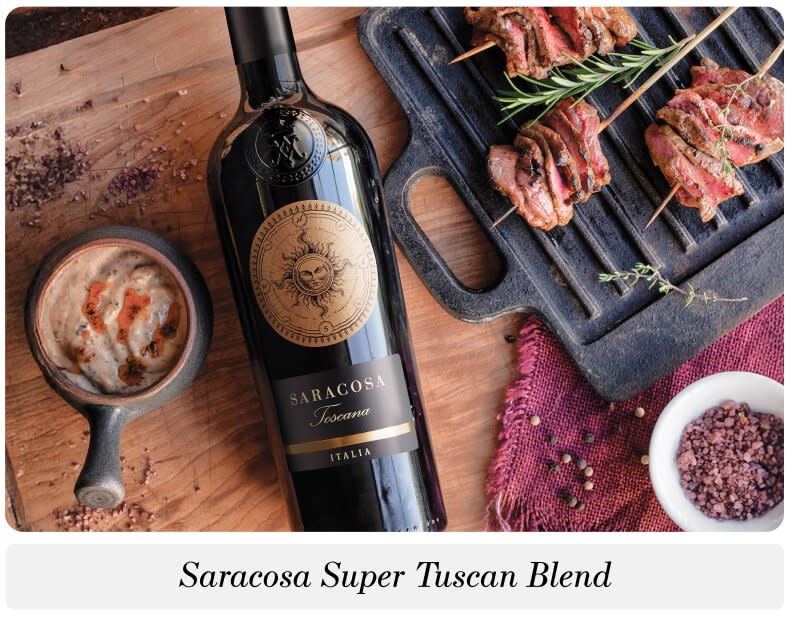
Saracosa 2024

This Super Tuscan blend from the Barbanera family is an easygoing blend of Sangiovese and Merlot, offering generous dark berry fruit, spice and a rounded feel.

Pair it with: Grilled meats, hearty pasta or casual hosting where you want something richer but still easy.

For Richer, More Structured Sangiovese

Edizione Limitata Numerata Chianti Numero 3 Particella 2024

This declassified Chianti Classico shows a richer, more polished side of Sangiovese, delivering  ripe red-fruit flavors and a velvety finish. It’s layered and luxurious, but still keeps that bright red-fruit core, illustrating how the Chianti Classico region can take Sangiovese to the next level.

Where it fits: Lamb, roast chicken or dinners with more weight or intense flavors.

Luciani Rosso di Montalcino 2022

This Sangiovese from Montalcino sits right between the bright, everyday Tuscan wines and the deeper, structured style of Brunello. It brings elegant cherry notes, a mineral edge and a great balance of freshness and richness. It’s more serious than your usual Chianti, but still easy to enjoy.

Where it fits: Roasted meats, richer pasta dishes and aged hard cheese (like Parmigiano Reggiano).

For Richer, More Structured Tuscan Blends

Rifronzoli Rosso di Toscana IGT 2022

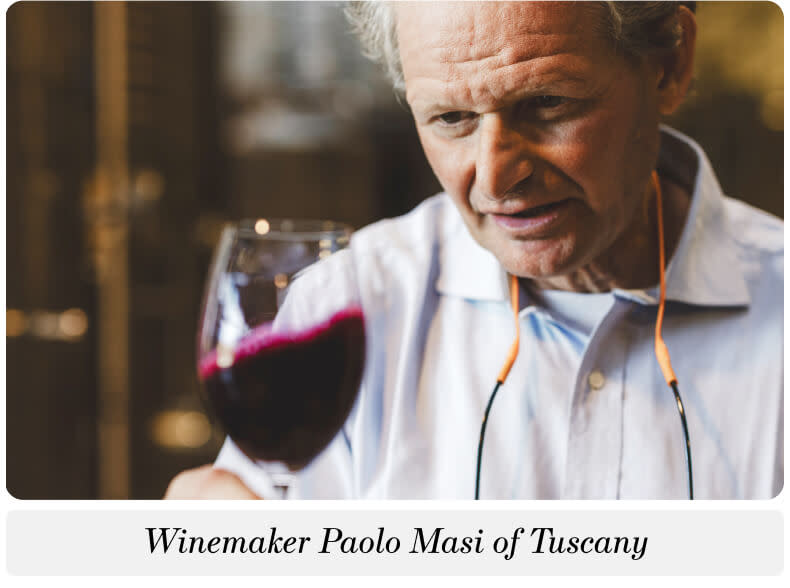
This serious, barrel-aged Super Tuscan blend is made with old-vine Sangiovese from a single row in Paolo Masi’s best vineyard, and rich, dark-fruited Cabernet. It has fine tannins, deep fruit flavors and a highly integrated finish; A great example of an intensely concentrated, ageworthy Super Tuscan.

Where it fits: Steak, hearty pastas or other traditional Italian dinners.

Otto Decenni 2021

This is the most opulent Super Tuscan blend in our cellars. It’s lavishly oak-aged and offers velvety layers of  ripe cherry, dark berry, chocolate-spice notes and a long, rich finish.

Where it fits: Rich dinners or meals where a powerful red makes sense.
Classic Brunello di Montalcino

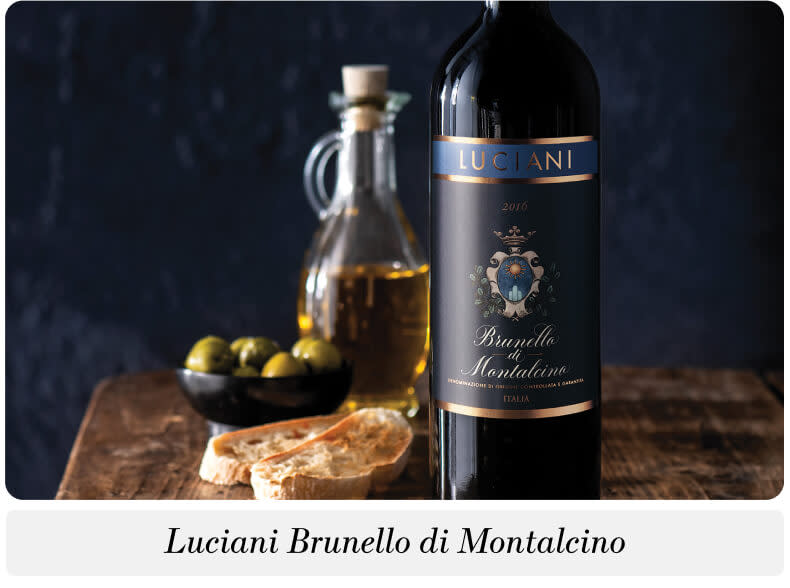
Luciani Brunello di Montalcino 2017

This Brunello di Montalcino has incredible polish and depth of flavor with notes of dark cherry, floral spice, plus classic leather nuance. It carries the lively tension associated with top-tier Brunello.

Where it fits: Roasted meats, creamy risottos and other fine Italian dining.

Subbia Antica Brunello di Montalcino 2015

This mature Brunello shows off layers of dark fruits, cedar, leather and a fully developed finish. Age and its time in oak barrels have given the wine complexity and softness without stripping away its underlying structure. 

Where it fits: Festive meals, braised dishes and other roasted favorites.

For a distinctive and unexpected take on Sangiovese

La Scelta di Sofia Toscana 2024

This rare white Sangiovese was made by fermenting the juice without the grape skins, as you would to make a red Sangiovese. It still carries that tart cherry note, but in a crisp, mineral style. It emphasizes originality and freshness, broadening the expression of Sangiovese.

Where it fits: Seafood, risotto, or lighter meals where a red wine would overpower the meal.


Why Sangiovese Is a Natural Choice for Food

When you take a sip of Sangiovese, you’ll quickly notice that it has bright acidity. This helps to refresh the palate, making Sangiovese especially suited for food. On top of that, tomato-based dishes work exceptionally well because the wine’s acidity and savory notes meet the food naturally rather than clashing with it.

Heavily herb-seasoned dishes, grilled meats and hard cheeses all work well because they match or soften Sangiovese’s structure. Vegetarian pairings also thrive alongside Sangiovese. Consider mushrooms, earthy lentils, roasted vegetables and olive-led dishes. 


Wines to Try If You Like Sangiovese

Wondering what wine Sangiovese is similar to? A few other grapes offer a similar, high-acid, red-fruited experience. Tempranillo is perfect for those who appreciate red-fruited, yet sometimes savory red wines with solid structure and great food-friendliness.

Pinot Noir appeals to drinkers drawn to red-fruit elegance and brighter acidity. Nebbiolo is a wonderful next step if you want more tannin, expressive aromas and similar aging potential. 


When Sangiovese Makes the Most Sense

Sangiovese works best with meals, especially Italian and Mediterranean dishes. It’s a great pick when you want a wine with acidity, savory notes and a medium body.

But Sangiovese isn’t always the answer. It is also not the best fit if you are in the mood for something plush and purely fruit-driven. Knowing when to reach for Sangiovese helps you open the right bottle at the right time.


Choosing the Right Sangiovese for the Occasion

Ultimately, the best Sangiovese depends on personal taste and the meal on the table. Some wine lovers gravitate toward the bright lift of everyday Chianti, while others prefer the depth and nuance Brunello or the richer, rounder texture of Super Tuscan blends.

Explore our Sangiovese wine selection and find the style that speaks to your taste.


WSJ Wine Recommends


FAQs

What is Sangiovese wine?

Sangiovese is Italy’s most widely planted red grape variety. It makes lively, vibrant, food-friendly wines known for bright acidity, cherry-led fruit and a savory character that works naturally with many dishes. You’ll almost always find Sangiovese made in a dry style, even if ripe fruit flavors or a touch of oak spice give a slightly sweet perception.

What does Sangiovese wine taste like?

When you pour a glass of Sangiovese, expect flavors like tart red cherry, plum and cranberry, plus savory notes, alongside dried herbs, tomato leaf, earth and leather. These wines taste fresh and structured, with lively acidity and firm yet sleek tannins.

Does Sangiovese taste better with age?

Top-tier Sangiovese wines, like Brunello di Montalcino or a standout Chianti Classico, can really blossom with extra time in bottle, picking up extra layers of flavor and softer tannins. Simpler everyday styles are generally best enjoyed while still youthful and fresh.

How do you choose a good Sangiovese wine?

Start by thinking about the occasion. Lighter Chianti is perfect for a casual weeknight dinner, while Chianti Classico or Brunello di Montalcino are great picks for a special meal.

What is Sangiovese wine similar to?

If you like Tempranillo or Nebbiolo, you’ll notice Sangiovese has a similar savory side and that same food-friendly acidity. Drinkers who enjoy brighter red-fruit wines may also find similarities with certain styles of Pinot Noir.

Are Brunello wines always better than Chianti?

Not necessarily. Brunello di Montalcino usually has more structure and is built to age, but a well-made Chianti from a top producer can be just as concentrated and intensely fruited.

What foods pair best with Sangiovese?

Sangiovese is a natural with tomato-based pastas, pizza, roasted meats, cured meats and aged cheeses. Its bright acidity and savory flavors allow it to effectively complement the food.

When is Sangiovese not the best choice?

Sangiovese isn’t the best match for sweet dishes, super spicy foods or delicate seafood. In those cases, its acidity and tannins can come on a bit too strong.

Does Sangiovese need to be decanted?

If you’ve got an older or more serious bottle, like Brunello or an aged Riserva, use a decanter to separate sediment from the wine. Some more structured Sangiovese respond well to time in a decanter, allowing their fruit flavors to open up, while many young, everyday Sangioveses can be served straight from the bottle.

How should Sangiovese be served?

Serve Sangiovese at room temperature, about 68°F (20°C). Some Chianti and Chianti Classico can be served with a slight chill. This helps soften the tannins and brings out those bright fruit flavors that make Sangiovese so appealing.

AUTHOR

KELBY, PERSONAL WINE ADVISOR

I found myself in the world of wine a decade ago. I’ve travelled, I’ve tasted, I’ve met some of my wine “rockstars!” I pride myself on being a resource for those seeking their own wine journey.

  • WSET – Level 2 Wines & Spirits Certified

Favorite Wine: Beefy Cabs • Aged Malbec • Southern Italian Blends • Portuguese Reds • Châteauneuf- du-Pape (my favorite!)

kelby@wsjwine.com | (203) 523-2159