
Shipping to CT
Red WineWhite WineRosé WineSparkling WineMixed Wine$30+$20-$30$15-$20TrioSixTwelveSpring Top 12 CollectionSpring Top 12 RedsInternational Pinot Noir SamplerPortuguese Reds Taste TourView AllBROWSE ALL MIXED WINE CASESRed Wine White WineRosé WineChampagne & SparklingDessert WineRed BlendWhite BlendArgentinaAustraliaChileFranceItalyNew ZealandPortugalSouth AfricaSpainUSABordeauxBurgundyCaliforniaLoire ValleyMendozaPiedmontRiojaRhôneTuscany and CentralVenetoCabernet SauvignonChardonnayChiantiMalbecMerlotMontepulcianoMoscatoPinot GrigioPinot NoirProseccoRieslingSauvignon BlancSyrah/ShirazZinfandelLow AlcoholAward Winning Red WinesAward Winning White WinesTop Rated Red WinesTop Rated White Wines90 Point WineDry Red WineFine WineBiodynamicOrganic GrapesVeganVegetarianBROWSE ALL WINESBROWSE LATEST OFFERSClassic Red & White WinesClassic Red WinesPremium Red WinesMother's DayCorporate GiftingFoodiesHost GiftsBirthdayThank YouWeddingBoutique Bubbly SixWine & Cheese Lovers' Gift SetBest-Selling Reds SixBest-Selling Whites SixWine Gift BagsDartington DecanterSlate Cheese BoardRechargeable CorkscrewCrystal Champagne FlutesFrench-Style Steak KnivesBROWSE ALL GIFTSIntro to Wine & Food PairingPairing Wine with LambWine & Cheese PairingsHow to Pair Wine & ChocolateItalian Food and Wine Pairing GuideWine ColorWine Cork vs. Screw CapHow to Hold a Wine GlassCheat Sheet to Wine Btl. SizesPreserve & Store WineTaste Wine like an ExpertBest Dry White Wine for CookingWine for BeginnersSauvignon Blanc GuidePinot Noir Wine GuideChampagne vs. ProseccoBest Non-Alcoholic WineBest Wines for EasterBest Sparkling for MimosasHost a Wine Tasting at HomeBest Wine & Champagne for a Wedding ReceptionCorporate & Business Wine Gift IdeasBROWSE ALL ARTICLESBROWSE ALL WINES
  • Home
  • wine blog
  • types of wine
  • Your Guide to the Burgundy Wine Region

Your Guide to the Burgundy Wine Region

Discover France's legendary Burgundy wine region. Learn about Pinot Noir and Chardonnay styles, top subregions and what makes Burgundy wines so special.

October 22, 2025

By Eileen, Wine Advisor Team Manager

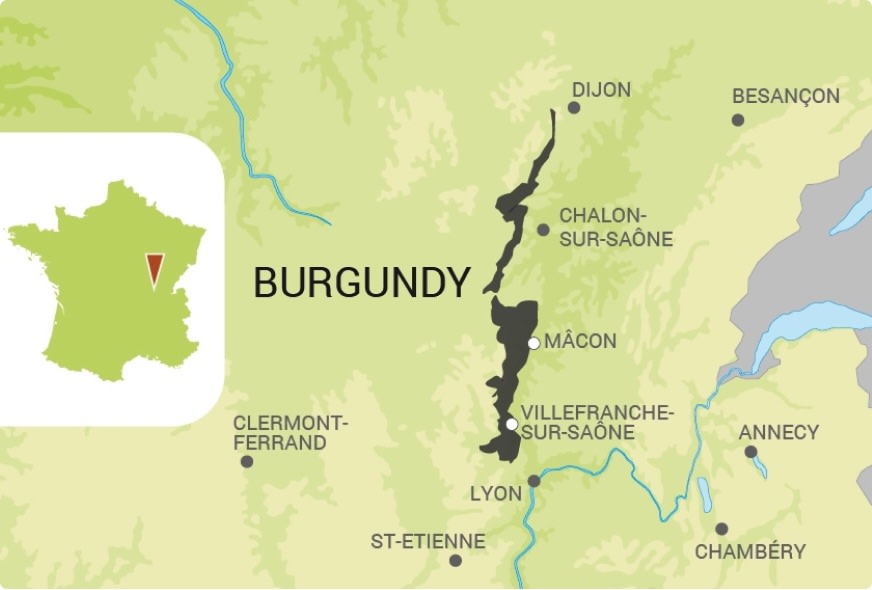
Burgundy Wine Region

This legendary French region of Burgundy has captivated wine lovers for centuries with its extraordinary expressions of Pinot Noir and Chardonnay. Unlike other wine regions that showcase a variety of grapes, Burgundy has mastered the art of perfection through simplicity—focusing primarily on just two varieties that have found their ultimate expression in the region’s remarkable terroir (French for “the land,” which refers to the wine’s entire natural environment). 

From the crisp, mineral-driven whites of Chablis to the silky, aromatic reds of Côte d'Or, the Burgundy wine region offers a wide diversity of flavor profiles. This guide will help you navigate Burgundy's fascinating subregions, understand its unique classification system and discover why these wines are considered among the world's finest.

Burgundy Wine Flavor Profile

The beauty of Burgundy wine lies in its ability to express terroir through just two main grape varieties: Pinot Noir and Chardonnay. Each reveals incredible range depending on where it’s grown, with subtle shifts in flavor and texture across the region’s diverse vineyards.

The key to understanding Burgundy flavors is recognizing how each vineyard site imparts its unique character to the wine, creating a virtually endless palette of subtle variations.
Red Burgundy (Pinot Noir)

Pinot Noir from Burgundy can taste bright and delicate, with cherry and strawberry notes in cooler areas, or richer with blackberry and plum in warmer sites. Classic signatures include earthy tones, forest floor aromas and the region’s hallmark minerality. The wines often develop fascinating notes with age, including truffles, mushroom and tobacco.

White Burgundy (Chardonnay)

Chardonnay from Burgundy spans from the steely, citrus-driven style of Chablis to the nutty, full-bodied wines of the Côte de Beaune. Northern regions produce wines with green apple, lemon and oyster shell notes, while southern areas yield rounder wines with peach, pear and honeyed characteristics. Many carry the mineral backbone that makes White Burgundy so famously food-friendly.

Burgundy Wine Food Pairings

Red Burgundy

Light to mid-weight red Burgundy is a natural match for charcuterie, soft cheeses (like Brie and goat cheese) and simpler roasted or braised meats. Fuller, more structured styles shine with duck, game birds or hearty stews like beef bourguignon.

White Burgundy

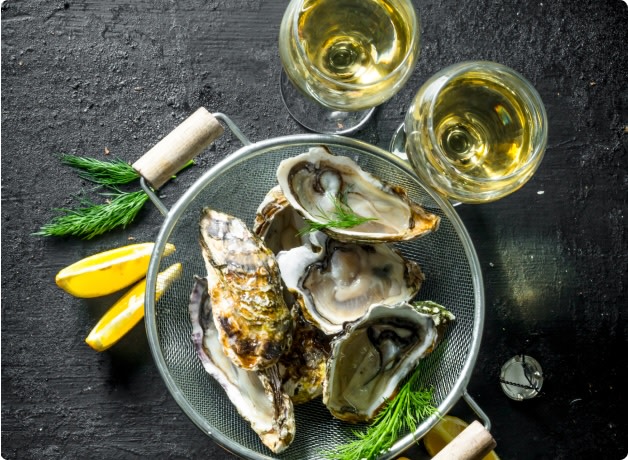
Crisp, mineral-driven white Burgundy—especially from Chablis—pairs effortlessly with shellfish and oysters. Richer, oak-aged styles are best with creamy dishes, such as roast chicken in sauce, lobster bisque or fish with butter-based preparations. The wine’s bright acidity balances richer textures, while its fruit notes lift lighter meats.

Visit our Wine & Food blog for more pairing suggestions.

Notable Subregions in Burgundy

The Burgundy wine region consists of five major subregions, each offering unique expressions of Pinot Noir and Chardonnay.

Chablis

Chablis, the northernmost part of Burgundy, is devoted entirely to Chardonnay and is famous for its pure, mineral-driven style. Its cool climate and Kimmeridgian limestone soils shape wines with bright acidity and hallmark notes of green apple, citrus and oyster shell. The nearby Serein River helps temper the region’s harsh winters and spring frosts, allowing grapes to ripen slowly while retaining freshness. Wines here range from the lighter, approachable Petit Chablis (made with grapes outside the heart of the village) to magnificent Grand Cru Chablis that can age for decades.

Côte de Nuits

The Côte de Nuits is the epicenter of fine red Burgundy, producing some of the world’s most coveted Pinot Noir. South of Dijon, this stretch combines east-facing slopes with limestone-rich soils to create wines of depth and structure with remarkable aging potential. It’s home to some of the region’s most revered villages, like Gevrey-Chambertin, Vosne-Romanée and Nuits-Saint-Georges, as well as 24 Grand Cru vineyards—including legends like Romanée-Conti and Chambertin. But there are accessible options, too. Côte de Nuits Villages wines from places like Fixin or Brochon deliver classic black fruit, earth and spice at friendlier prices.

Côte de Beaune

Côte de Beaune produces both red and white wines of outstanding quality, though it’s most famous for producing some of the world’s most sought-after Chardonnay. New vintages from the prestigious Montrachet vineyard range from $170 to $2,900. Premier Cru Meursault typically exceeds $1,000, while village-level Meursault fall into the $45-$100 range. Puligny-Montrachet falls between the two, with village-level offerings starting at $100, Premier Cru releases at $200+ and Grand Cru rarities exceeding $1,200. (See below for a breakdown on Grand Cru, Premier Cru and village-level classifications.)  

The region also produces notable Pinot Noir reds from Volnay and Pommard, marked by cherry, plum and earthy minerality.

Côte Chalonnaise

This value-driven region produces excellent wines at more approachable prices (not typically exceeding $140). Villages like Mercurey, Givry and Rully produce both Pinot Noir and Chardonnay that capture classic Burgundy character.

The region is also home to unique specialties: Bouzeron is dedicated to the Aligoté grape variety, known for its floral, citrus-driven freshness, while Rully is a center for Crémant de Bourgogne (Burgundy’s sparkling wine made in the traditional method). These options make the Côte Chalonnaise a great place to explore quality and diversity at accessible prices.

Mâconnais

The southernmost and largest subregion, Mâconnais offers exceptional value in white Burgundy (the vast majority are under $80). Pouilly-Fuissé produces some of the region's most structured Chardonnays, while Mâcon-Villages provides excellent everyday drinking options. The warmer climate here creates riper, more fruit-forward styles.
Burgundy Wine Classification System

Understanding Burgundy's unique classification system is key to uncovering the region's best bottles. Burgundy organizes its wines into four main tiers, each reflecting a different level of quality and specificity.

  • Grand Cru—The pinnacle of Burgundy wine, Grand Cru wines come from the region's most exceptional vineyard sites. Only about 1% of Burgundy's total production earns this designation. These wines showcase remarkable complexity, age-worthiness and a true sense of place. Labels will clearly state the Grand Cru vineyard name—think "Montrachet" or "Romanée-Conti."

  • Premier Cru—Just below Grand Cru in the hierarchy, Premier Cru wines are produced from special sites, or "climats," within a particular village. These wines offer standout quality and unique character, often representing stellar value for serious wine lovers. Bottles are marked with both the village and the Premier Cru climat name, such as "Meursault Premier Cru Les Charmes."

  • Village Wines—Sourced from vineyards within a single village, these wines express the general style and character of their commune. While less exclusive than Premier or Grand Cru, Village wines can be fantastic everyday bottles, offering a classic Burgundy experience at a friendly price. Expect labels featuring the village name, like "Gevrey-Chambertin" or "Mâcon-Villages."

  • Regional Wines—The broadest category, Regional wines are made from grapes grown anywhere within Burgundy. Labeled as "Bourgogne Rouge" (red) or "Bourgogne Blanc" (white), these approachable selections tend to be fresh, lively and perfect for casual sipping or as an introduction to the region.

Knowing these classifications helps you navigate Burgundy's labels and confidently discover the quality and style you desire—from everyday pours to once-in-a-lifetime treasures.

Burgundy Wine Origins and History

The Burgundy wine region boasts a winemaking heritage that spans over 2,000 years. The Romans first planted vines here in the 1st century AD, but it was the Cistercian monks of the Middle Ages who truly developed Burgundy's potential. These dedicated monks meticulously mapped the region's diverse terroir, identifying which plots produced the finest wines.

The monks' careful observations led to the development of Burgundy's unique "climat" system, where individual vineyard sites are recognized for their distinct characteristics. This attention to terroir became Burgundy's defining philosophy—that great wine comes from the perfect marriage of grape, soil and climate.

The French Revolution redistributed the church's vineyard holdings among local families, creating the fragmented ownership structure that exists today. Many Grand Cru vineyards are divided among dozens of producers, each farming just a few rows of vines. This system has preserved Burgundy's artisanal character while creating incredible diversity in winemaking styles.

Modern Burgundy continues to honor these ancient traditions while embracing sustainable practices.

Conclusion

The Burgundy wine region embodies winemaking at its most refined and expressive. Through its unwavering focus on Pinot Noir and Chardonnay, Burgundy has created a template for elegance that wine regions worldwide aspire to achieve. From the mineral-driven precision of Chablis to the complex aromatics of Côte d'Or, every bottle tells the story of its specific place of origin. Each glass is a chance to  discover the character of its villages and experience the elegance that has captivated wine lovers for generations.

AUTHOR

EILEEN, WINE ADVISOR TEAM MANAGER

I have always enjoyed working with passionate people that I can learn from. Most importantly, we are all partners in wine who continue to grow, challenge and share our knowledge daily. What could be better?

  • WSET – Level 2 Wines & Spirits Certified
  • Sake Level 1 Certified

Favorite Wine: Red Burgundy • Barolo • Rhone Reds • I’ve never met a rosé I didn’t like!

eileen@wsjwine.com | (203) 523-2161