Shipping to CT
Red WineWhite WineRosé WineSparkling WineMixed Wine$30+$20-$30$15-$20TrioSixTwelveGold Medal RedsGold Medal MixBordeaux RescueWorld Class Spring RoséView AllBROWSE ALL MIXED WINE CASESRed Wine White WineRosé WineChampagne & SparklingDessert WineRed BlendWhite BlendArgentinaAustraliaChileFranceItalyNew ZealandPortugalSouth AfricaSpainUSABordeauxBurgundyCaliforniaLoire ValleyMendozaPiedmontRiojaRhôneTuscany and CentralVenetoCabernet SauvignonChardonnayMalbecMerlotMontepulcianoMoscatoPinot GrigioPinot NoirProseccoRieslingSauvignon BlancSyrah/ShirazZinfandelLow AlcoholAward Winning Red WinesAward Winning White WinesTop Rated Red WinesTop Rated White Wines90 Point WineDry Red WineFine WineBiodynamicOrganic GrapesVeganVegetarianBROWSE ALL WINESBROWSE LATEST OFFERSClassic Red & White WinesClassic Red WinesPremium Red WinesMother's DayCorporate GiftingFoodiesHost GiftsBirthdayThank YouWeddingBoutique Bubbly SixWine & Cheese Lovers' Gift SetBest-Selling Reds SixBest-Selling Whites SixWine Gift BagsDartington DecanterSlate Cheese BoardRechargeable CorkscrewCrystal Champagne FlutesFrench-Style Steak KnivesBROWSE ALL GIFTSIntro to Wine & Food PairingPairing Wine with LambWine & Cheese PairingsHow to Pair Wine & ChocolateItalian Food and Wine Pairing GuideWine ColorWine Cork vs. Screw CapHow to Hold a Wine GlassCheat Sheet to Wine Btl. SizesPreserve & Store WineTaste Wine like an ExpertBest Dry White Wine for CookingWine for BeginnersSauvignon Blanc GuidePinot Noir Wine GuideChampagne vs. ProseccoBest Non-Alcoholic WineBest Wines for EasterBest Sparkling for MimosasHost a Wine Tasting at HomeBest Wine & Champagne for a Wedding ReceptionCorporate & Business Wine Gift IdeasBROWSE ALL ARTICLESBROWSE ALL WINES
  • Home
  • wine blog
  • types of wine
  • Cabernet Sauvignon Wine Guide: Discover Flavors, Pairings, and Best Picks

Cabernet Sauvignon Wine Guide: Discover Flavors, Pairings, and Best Picks

Learn about Cabernet Sauvignon wine, its key flavor profile, best food pairings, top regions, and recommended bottles curated by WSJ Wine experts.

September 8, 2025

By Candice, Personal Wine Advisor

Cabernet Sauvignon Wine Overview

Cabernet Sauvignon is the world’s most renowned red wine grape, loved for its deep color, bold flavors and firm tannins. These tannins, as well as its naturally high acidity, give high-quality Cabernet the ability to age gracefully for decades and make for some of the finest dry red wines in the world. Many of these highly sought-after bottlings are classic Cabernet-based blends from Bordeaux, the home of the famous grape (a crossing of of Cabernet Franc and Sauvignon Blanc).  Cabernet Sauvignon red wine is also enjoyed in its youth, when it offers charming, ripe-fruited flavors. Young or aged, Cabernet has earned its place at the top of wine lovers’ lists.


Cabernet Sauvignon Wine Flavor Profile

Cabernet Sauvignon is an exuberant red grape variety. It’s naturally high in just about everything. Its high sugar content makes it easier to convert sugars to alcohol, creating a full-bodied red wine. Cabernet is also high in acidity, which helps balance the full with freshness that cleanses the palate. Plus, it has thick skins that help impart bold flavors, such as blackberry and cherry, during fermentation, as well as tannins. These tannins provide structure to the wine and give Cabernet its hallmark longevity. Over time, Cabernet develops more nuanced notes like cedar, tobacco, and leather. This makes it a favorite for collectors or any wine lover who seeks layers of delicious, complex flavors. 

Is Cabernet Sauvignon Sweet or Dry?

Cabernet Sauvignon is a dry red wine, meaning the natural sugars in the grape are fully fermented into alcohol. While the ripe fruit flavors may be perceived as sweetness, Cabernet is normally dry, with structured tannins and very little residual sugar.

Body

Cabernet Sauvignon is typically full-bodied, with a rich mouthfeel and firm tannin structure. This is especially true of wines from warmer regions, where higher ripeness levels yield denser, more opulent wines.

Acidity

Expect medium to high acidity, which contributes to the wine’s longevity and food-friendliness. This acidity, paired with the grape’s robust tannins, gives Cabernet Sauvignon a well-defined backbone and aging potential

Common Tasting Notes

Flavor depends heavily on the region, but some notes are classic Cabernet.

Cool Climate (e.g., Bordeaux):

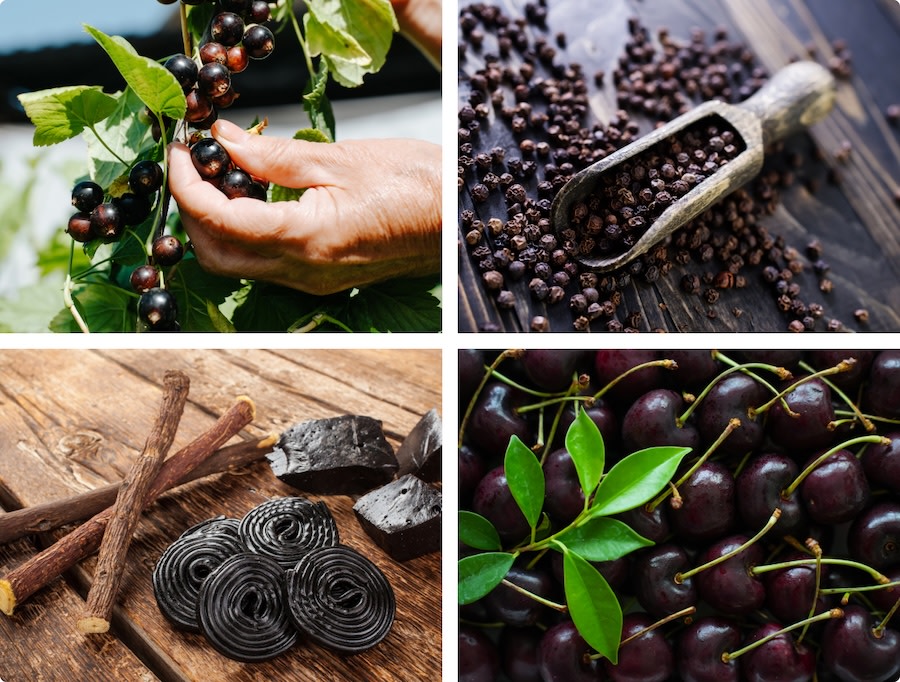
  • Black currant
  • Bramble
  • Graphite
  • Violet
  • Licorice

Warm Climate (e.g., Napa Valley,

Coonawarra):

  • Black cherry
  • Black currant
  • Black plum
  • Blackberry
  • Licorice
  • Black pepper

Cabernet Sauvignon Wine Food Pairings

Cabernet Sauvignon pairs beautifully with bold, flavorful dishes. Its tannins cut through fat, and its structure balances hearty textures and savory flavors.

Pairing 1: Grilled Steak

This is a classic. Cabernet Sauvignon’s bold tannins complement the richness of grilled ribeye, sirloin or filet mignon. A touch of char enhances the wine’s smoky and peppery notes.

Pairing 2: Lamb Dishes

From rosemary-roasted lamb chops to slow-cooked lamb shanks, these pair wonderfully with Cabernet. The meat’s richness matches the wine’s depth and earthy character.

Pairing 3: Mushroom-Based Dishes

For vegetarians, try Cabernet with mushroom risotto, lentil-mushroom shepherd’s pie or portobello burgers. The umami is complemented by the wine’s fruit-rich character.

Still not sure what to serve with your wine?

Visit our Wine & Food blog for pairing ideas that bring out the best in every bottle.

Notable Growing Countries & Regions

While Cabernet Sauvignon's origins lie in Bordeaux, its adaptability has led to its successful cultivation across the globe, establishing it as a flagship grape in numerous prominent wine regions

France

  • Bordeaux (Left Bank)—The original home of Cabernet Sauvignon. In the  Médoc region (home to the world-famous villages of Pauillac, Saint-Julien, Saint-Estèphe and Margaux), it’s blended with Merlot and other grapes to create age-worthy, structured wines with bright fruit notes and earthy, herbal notes.
  • Languedoc-Roussillon—A warmer southern French region producing Cabernet Sauvignon with bold fruit and softer tannins, often more accessible in youth.
  • Southwest France—Emerging as a source of affordable Cabernet Sauvignon wines, often blended with Tannat or Merlot.

United States

  • Napa Valley, California—Known globally for producing some of the best Cabernet Sauvignon wines, Napa’s warm climate yields ripe, full-bodied wines with plush tannins, deep fruit flavors and often a kiss of vanilla or cedar with oak barrel aging.
  • Sonoma County, California—A bit cooler than Napa, Sonoma offers a more restrained expression—still bold, but with more herbal lift and balanced structure.
  • Washington State—Cabernet from Columbia Valley tends to show great structure, with dark-fruit flavors, firm tannins and moderate acidity. These wines often age beautifully.

Chile

  • Maipo Valley—One of the most prestigious regions in Chile for Cabernet Sauvignon wine. Typical releases offer  ripe cassis, tobacco and mint notes.
  • Colchagua Valley—Richer and fruitier in style, with juicy blackberry and spice. These Cabs tend to be bold and smooth.
  • Aconcagua Valley—Offers a more structured style with herbal notes, graphite and well-defined dark fruit, often with notable freshness. These wines can be very age-worthy.

Australia

  • Coonawarra—Home to some of the best Cabernet Sauvignon in Australia. The terra rossa soils contribute to wines with a distinctive structure and notes often include blackcurrant, mint and a pronounced eucalyptus character.
  • Margaret River—Cooler climate produces more elegant Cabernet with notes of red currant, bay leaf and spice.

Argentina

  • Mendoza—Produces outstanding high-altitude Cabernet Sauvignon. Expect ripe black fruit, firm tannins and fresh acidity, often with blackberry, cassis and herbal notes. They’re often great values with serious aging potential.

Serving Cabernet Sauvignon Wine

Cabernet Sauvignon rewards a little patience and attention when serving. To bring out its bold aromas and layered flavors, consider the following:

  • Serving temperature: 60–68°F (16–20°C)

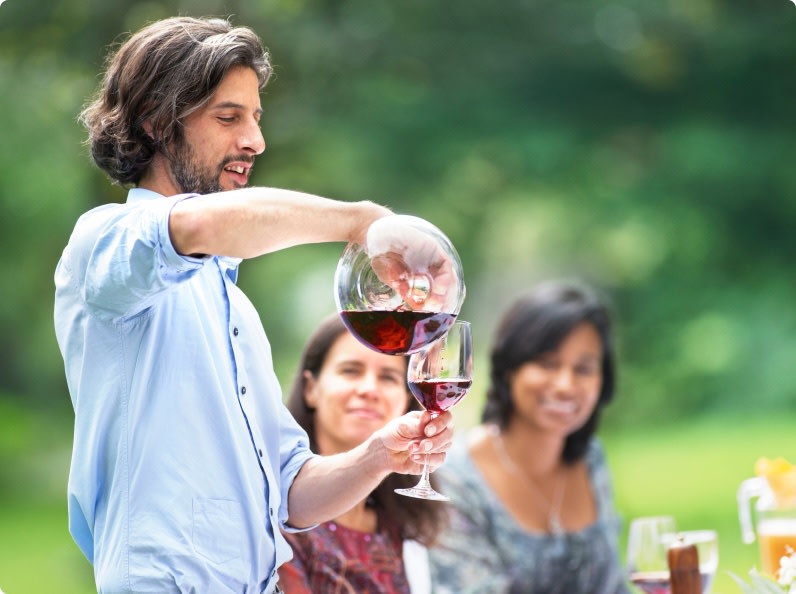
  • Glassware: Choose a large, round-bowled red wine glass. This shape gives the wine space to breathe and helps enhance its aromas.

  • Decanting: Young or tannic Cabernets benefit from 1–2 hours of decanting. This softens the structure and opens up more nuanced notes.

Slightly cooler than room temperature allows the wine’s structure and aromatics to shine without emphasizing alcohol. If your room is warmer, place the bottle in the fridge for 20–30 minutes before serving to bring it into the optimal range.

Want to serve wine like a pro? Visit our blog’s how-to section.
Cabernet Sauvignon Wine Origins

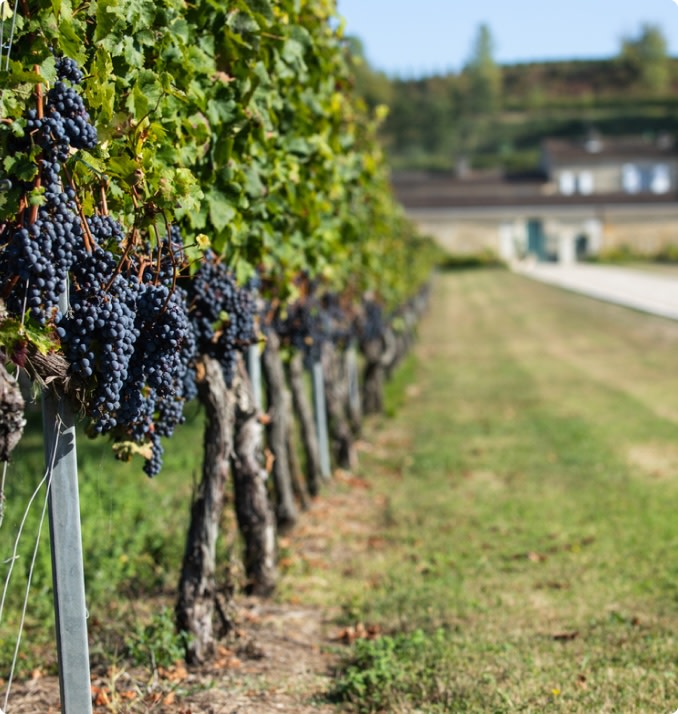
Cabernet Sauvignon traces its origins to 17th-century southwestern France, where it naturally developed as a cross between the red grape Cabernet Franc and the white grape Sauvignon Blanc. The chance crossing likely occurred in the vineyards of Bordeaux, now considered the grape’s spiritual and historical home. Here, it became the backbone of the region’s legendary red blends—especially on the Left Bank, where its thick skins and bold structure thrived in the region’s gravelly soils.

In Bordeaux, Cabernet Sauvignon was prized for its deep color, firm tannins and ability to age gracefully, making it a perfect partner for Merlot and Cabernet Franc in blends that balance power with finesse. These qualities helped propel its reputation beyond France and into the global spotlight.

By the 19th and 20th centuries, the grape had made its way to Italy, Spain, Chile, Australia, South Africa and the United States—particularly California’s Napa Valley, where it found a warm climate and receptive market. Today, Cabernet Sauvignon is the most widely planted red wine grape in the world, owing to its resilience, versatility and consistent quality across climates and styles.


WSJ Wine Recommends:

L’Épiphanie de Pauillac

This glorious, age-worthy Bordeaux features the dense, deeply concentrated Cabernet of Pauillac and was crafted by one of the most famous estates in the world. Dark, rich, laced with black currant, cedar and cigar box notes, this gorgeous wine will only get better if you can bear to hide some away for a few years.

Raymond District Collection Benchmark Rutherford

Napa Valley’s Rutherford region is “Cabernet country par excellence,” writes The World Atlas of Wine. This classic example comes from iconic Raymond Vineyards is full-bodied and complex, with exuberant black currant fruit, plus lovely cedar notes from top-quality French oak barrels.

Lost Isle

Crafted by acclaimed winemaker William Knuttel, Lost Isle Cabernet Sauvignon hails from Wilson Vineyards in California’s Clarksburg region. Aged 14 months in fine French oak barrels, it brims with ripe dark fruit and baking spice flavors.

RedHeads Whip-Hand

Australia’s world-famous Barossa Valley is home to some of the world’s finest Cabs. This perennial favorite of customers and critics comes courtesy of RedHeads, one of the country’s most acclaimed wineries. It’s made with the finest winemaking techniques and top-of-the-line French oak barrels. It’s full of ripe red- and black-fruit notes, accented by spicy oak and minty overtones (a trademark of the region).

Le Fughe

Most Super Tuscan reds are a blend of Sangiovese and Cabernet. But Carlo Vittori’s Cabernet from his family estate in Montalcino was so complex and downright delicious, he and his winemaking daughter Valeria decided to bottle it on its own. It’s been a classic for years now, with past releases beating out bottles that list for double more than its price.

Valoroso

Portugal’s Jaime Quendera (maker of the ‘Best Red Wine in the World’ at Vinalies in 2008) crafts this bold Cabernet Sauvignon. Boasting layers of ripe black fruit and peppery spice, it’s an absolute must-try for fans of rich, full-bodied reds.

Cabernet Sauvignon is a red wine of bold character, aging potential, and global prestige. From the structured elegance of Bordeaux to the ripe intensity of Napa Valley, this grape variety delivers depth, complexity and a world of flavor.

AUTHOR

CANDICE, PERSONAL WINE ADVISOR

I have over 10 years of experience in the wine and beverage industry, and have tasted some of the rarest and most sought-after wines. I'm your ideal oenophile today—pour me a Cru Beaujolais.

  • WSET – Level 2 Wines & Spirits Certified
  • CMS – Level 1 Sommelier Certificate

Favorite Wine: Barolo • Natural Wine • Austria/Germany • Island Wines

candice@wsjwine.com | (203) 523-2164