
- Home
- wine blog
- types of wine
- Chianti Wine Guide

You’ve likely spotted Chianti on Italian restaurant menus or at the store, but there’s a wide range of options. Chianti can be a bright, easygoing red for pizza night or a deep, complex wine worthy of a special occasion.
It is such a favorite around the world. In this guide, you’ll learn the reason why. Once you know a bit about its acidity, grape varieties and aging styles, picking a bottle you’ll love gets a whole lot easier.
What is Chianti Wine?
Chianti is a dry, medium-bodied red wine primarily made with Sangiovese (at least 70%) and offers red-fruit flavors, savory nuance with a firm texture that makes it delicious with food. If you see 'Chianti Classico' or 'Riserva' on the label, expect more intense fruit flavors, concentration and complexity.
Chianti is one of Italy’s most historic regions in Tuscany. While some might remember its reputation for the many cheap red wines produced in the 1950s to the 1970s, but as always, it runs the gamut from easy-drinking to some of Italy’s most celebrated reds.
Where Is Chianti From?
Chianti is a region in the heart of Tuscany, where rolling hills with ample sunshine ripen grapes to perfection, while its cool, refreshing nights help them retain their lively acidity.
The broader Chianti DOCG covers a large production zone, producing plenty of styles, while the historic Chianti Classico zone is known for more intense, complex offerings. Vineyards at higher elevations usually deliver fresher flavors and wines that age beautifully.
Is Chianti A Red Wine?
Yes, Chianti is always red. Young bottles are a bright ruby color, turning to a deeper garnet or brick as they age. Chianti can include up to 30% of white wine grapes, such as Trebbiano Toscano or Malvasia Bianca, but this practice is increasingly rare. Since 2008, this is no longer allowed in Chianti Classico.
Is Chianti Sweet Or Dry?
Chianti is a dry wine. It’s almost always fermented until there’s barely any sugar left in the bottle. Sometimes, though, those bright, tart cherry flavors can be perceived as a touch of sweetness.
But thanks to Chianti’s high acidity and firm tannins, the finish is almost always refreshing. During fermentation, yeast transforms most of the grape sugar into alcohol, leaving the wine dry. That dryness makes Chianti a perfect partner for tomato sauces and rich, olive oil-based dishes.
What Does Chianti Wine Taste Like?
A good Chianti has a medium body and firm tannins. You’ll notice its mouthwatering acidity from the first sip. The fruit flavors are there, but they never overpower the wine’s savory edge.
The Main Flavors Include:
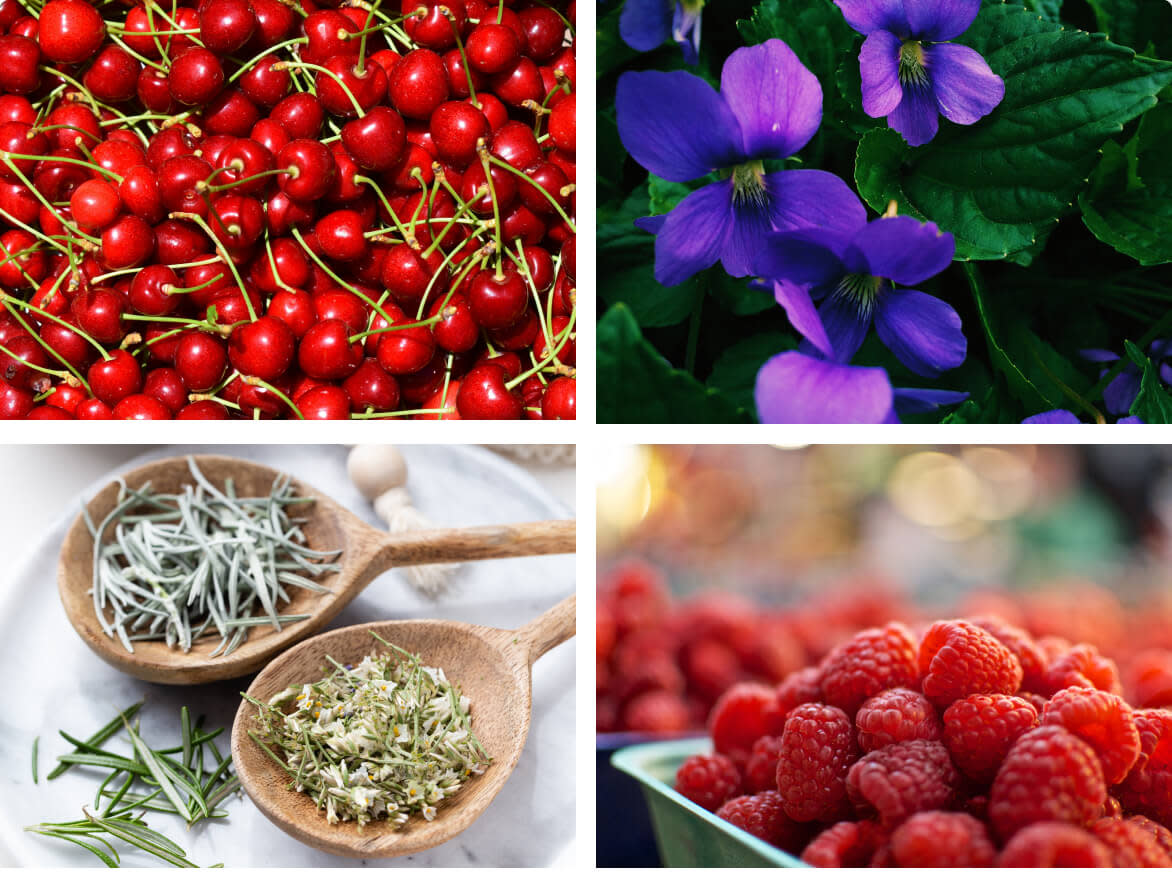
- Sour cherry
- Red plum
- Cranberry
- Raspberry
- Violet
With A Hint Of:
- Tobacco
- Dried herbs
- Leather
- Spice
- Earthy savory notes
- Light smoke
How Can I Pick A Good Chianti?
Picking a Chianti gets much simpler once you know the region’s classifications. Less expensive Chianti is typically light and made for casual sipping. Chianti Superiore requires certain yields in the vineyard, a minimum alcohol content of 12% and nine months of aging before release, with at least three months in the bottle, which often leads to higher quality wines. Chianti Riservas must be aged for 24 months (again with 3 months minimum in bottle).
Chianti Classico comes from a smaller district in the heart of the Chianti region and usually has extra depth, character and complexity. The standard releases, also referred to as “Annatta,” must be aged for 12 months before release, while Chianti Classico Riservas must be aged 24 months (with three in bottle). The top tier is Gran Selezione, which requires that all the grapes come from the winery’s estate, along with 36 months aging (with three in bottle). With each level, you can expect greater intensity of flavor, structure and complexity.
What Are The Best Chianti Wines?
Here are a few Chiantis that show just how much variety is out there.
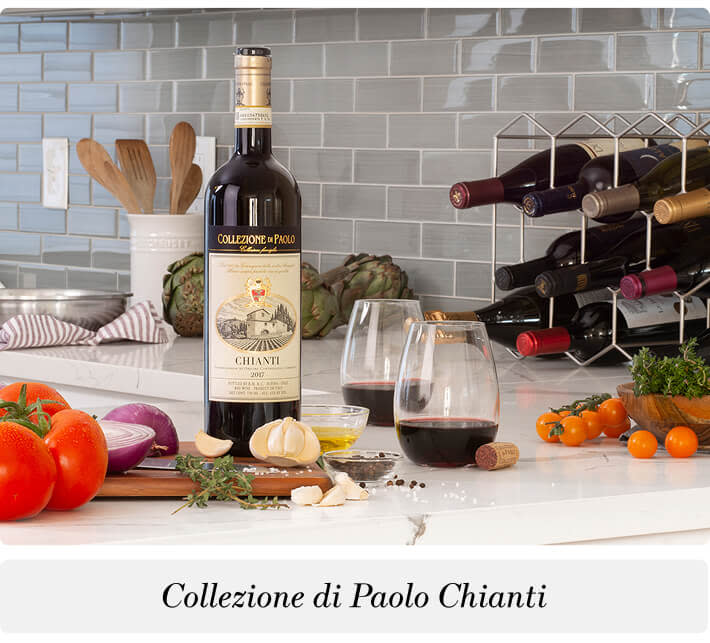
Collezione di Paolo Chianti 2023
Made by renowned Tuscan winemaker Paolo Masi, this crowd pleasing Chianti nails the classic style. It’s juicy, packed with vibrant blackberry and spicy red cherry, while finishing smooth and balanced. Pair it with pizza, tomato pasta, or any laid-back Italian meal.
Edizione Limitata Numerata Chianti 2024
Crafted by Franco Bernabei, this top-secret, “declassified” Chianti is proof that vineyard location and winemaker know-how make all the difference. It’s made from top Sangiovese grapes grown in the Conca d’Oro area of Chianti Classico. The wine is rich, smooth and silky, bursting with red fruit, ripe morello cherry and a velvety finish. Open for dinner parties, especially with slow-cooked beef ragù or rosemary-roasted lamb.

Collezione di Paolo Chianti Riserva 2022
This wine comes from high-elevation vineyards in Chianti Rufina and spends 14 months in top-quality oak barrels. Expect concentrated, silky plum and red berry flavors, with a hint of bittersweet chocolate and a long, lingering finish. You can enjoy it immediately or let it age a bit longer. Either way, it’s perfect for slow weekend dinners, roast beef, or hearty pasta.
Selva del Moro Chianti Classico Riserva 2019
Representing a higher classification of the region, this Chianti Classico Riserva was made at a historic 12th-century estate that farms everything organically. The wine spends 18 months in fine oak barrels and offers elegant, complex layers of intense cherry, tobacco, cocoa and pepper. Pour this special bottle at Italian feasts, particularly with wild mushroom risotto or slow-braised beef in tomato and herbs.
Selva del More Chianti Classico 2020
Made at the same historic organic estate, this modern Classico spends a year in large oak barrels for gentle spice and polish. It pulses with deep red-fruit energy, silky tannins, and a long, subtly spicy finish. Try it with Sunday roasts, relaxed lunches or Mediterranean-style meals made with herbs, tomatoes and olive oil.
What’s The Difference Between Chianti And Other Red Wines?
Wondering how Chianti stacks up against other popular reds? Compare them to figure out what you like and pick the right bottle.
Chianti vs Cabernet Sauvignon
Chianti is generally lighter in body, with tightly knit tannins and tart, savory fruit. Cabernet brings more body, darker berry flavors and a much bolder tannin profile.
Chianti vs Pinot Noir
Both wines express red fruit flavors, but Chianti is typically more structured. Pinot Noir is softer and silkier, with pure, supple fruit and a floral, aromatic edge.
Chianti vs Merlot
Chianti tastes fresher, thanks to its higher acidity levels and often has plenty of spice on the palate as well. Merlot is plush and round, full of easy-going red fruit and chocolatey notes.
How Many Calories Are In A Bottle Of Chianti?
A standard bottle of Chianti has about 600 to 625 calories. Since calories in wine mostly come from alcohol, bottles with higher ABV will naturally pack in a few more calories.
What Foods Pair Well With Chianti?
Chianti is a great red wine for foodies. Its bright acidity and sour cherry notes make it a natural with classic dishes:
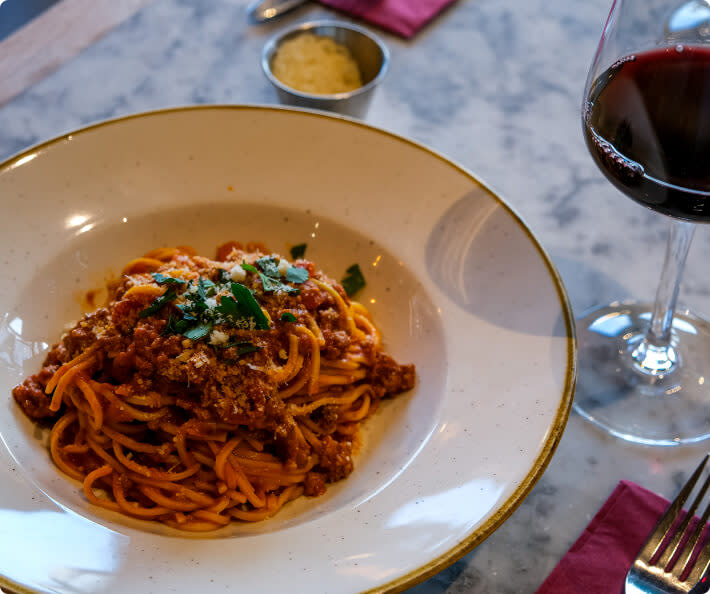
- Chianti and tomato sauce are a classic duo. The wine’s acidity matches the brightness of marinara or ragù, making the fruit flavors pop and keeping rich pasta dishes light.
- Chianti’s character balances cheese and savory toppings on pizza, while its zesty cherry fruit adds a fresh, mouthwatering finish.
- Grilled steak’s char and juiciness are a perfect match for Chianti’s firm tannins. The wine keeps your palate refreshed, so every bite stays balanced.
- Herb-roasted chicken brings out Chianti’s earthy side. Rosemary, thyme and garlic mirror the wine’s dried-herb notes, while the acidity keeps every bite lively.
- Grilled or roasted lamb is a natural partner for Chianti’s savory depth. The wine’s structure stands up to rich meat, the red berry flavors slice through bold seasonings.
- Hard cheeses like Pecorino or Parmigiano Reggiano highlight Chianti’s tangy freshness. The wine resets your palate after each bite, letting those nutty, salty flavors shine.
How To Serve Chianti
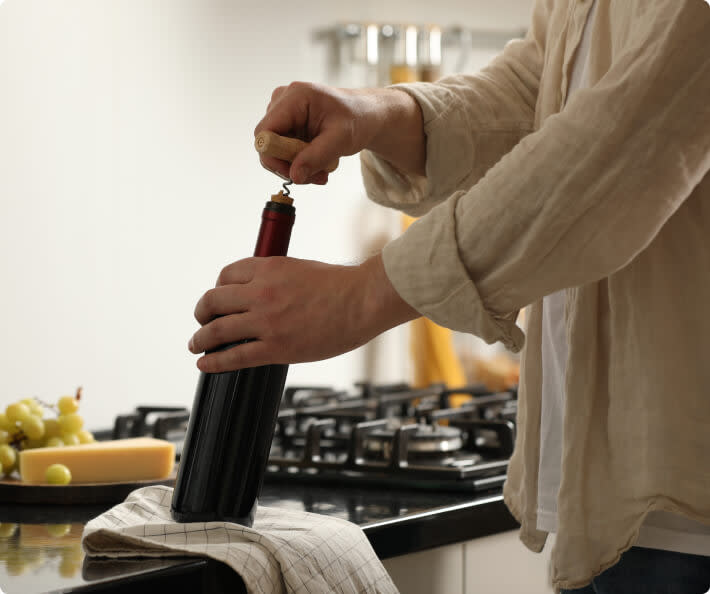
To get the best from your wine, serve Chianti slightly cool—not at a warm room temperature. Pour it into a large glass to let those complex, fruity and savory aromas open up. If you’re opening a structured Riserva or Gran Selezione, decant for 30 to 60 minutes to let the flavors fully express themselves.
Should Chianti Be Chilled?
Aim to serve Chianti at cellar temperature, which is about 55 to 60°F. Younger, lighter styles can benefit from a quick 15-minute chill in the fridge. That little drop in temperature really brings out the wine’s vibrant freshness and tart fruit notes.

How To Store Chianti Wine
Store your Chianti in a dark, cool place. Lay cork-sealed bottles on their side to keep the cork moist and prevent unwanted oxygen from entering.
How Long Does Chianti Last Opened?
Once opened, Chianti will stay fresh for two to three days if you re-cork it and pop it in the fridge.
How Long Does Chianti Last Unopened?
Your basic Chianti is meant to be enjoyed right away, and you should drink it within five years. Chianti Classico, Riserva, and Gran Selezione bottles, on the other hand, can age beautifully in a cellar for a decade or more.
The Perfect Bottle Is Waiting
The best way to get to know this classic Tuscan red is to taste different styles, from bright, everyday bottles to elegant, cellar-aged wines for celebrations. If you are ready to dive in, browse through our curated Chianti selection.
WSJ Wine Recommends

AUTHOR
KAREN, PERSONAL WINE ADVISOR
The best moments of life involve entertaining friends and family over great meals, great wine and genuine laughter. I sometimes can’t believe that I get to do this for a living!
- WSET – Level 2 Wines & Spirits Certified
Favorite Wine: Rhône Reds • Sonoma Reds • Barrel-Aged Rioja • If I can get a good, sumptuous lip smack from my glass, I am pleasantly charmed!
karen@wsjwine.com | (203) 523-2157