
Shipping to CT
Red WineWhite WineRosé WineSparkling WineMixed Wine$30+$20-$30$15-$20TrioSixTwelveSpring Top 12 CollectionSpring Top 12 RedsInternational Pinot Noir SamplerPortuguese Reds Taste TourView AllBROWSE ALL MIXED WINE CASESRed Wine White WineRosé WineChampagne & SparklingDessert WineRed BlendWhite BlendArgentinaAustraliaChileFranceItalyNew ZealandPortugalSouth AfricaSpainUSABordeauxBurgundyCaliforniaLoire ValleyMendozaPiedmontRiojaRhôneTuscany and CentralVenetoCabernet SauvignonChardonnayMalbecMerlotMontepulcianoMoscatoPinot GrigioPinot NoirProseccoRieslingSauvignon BlancSyrah/ShirazZinfandelLow AlcoholAward Winning Red WinesAward Winning White WinesTop Rated Red WinesTop Rated White Wines90 Point WineDry Red WineFine WineBiodynamicOrganic GrapesVeganVegetarianBROWSE ALL WINESBROWSE LATEST OFFERSClassic Red & White WinesClassic Red WinesPremium Red WinesMother's DayCorporate GiftingFoodiesHost GiftsBirthdayThank YouWeddingBoutique Bubbly SixWine & Cheese Lovers' Gift SetBest-Selling Reds SixBest-Selling Whites SixWine Gift BagsDartington DecanterSlate Cheese BoardRechargeable CorkscrewCrystal Champagne FlutesFrench-Style Steak KnivesBROWSE ALL GIFTSIntro to Wine & Food PairingPairing Wine with LambWine & Cheese PairingsHow to Pair Wine & ChocolateItalian Food and Wine Pairing GuideWine ColorWine Cork vs. Screw CapHow to Hold a Wine GlassCheat Sheet to Wine Btl. SizesPreserve & Store WineTaste Wine like an ExpertBest Dry White Wine for CookingWine for BeginnersSauvignon Blanc GuidePinot Noir Wine GuideChampagne vs. ProseccoBest Non-Alcoholic WineBest Wines for EasterBest Sparkling for MimosasHost a Wine Tasting at HomeBest Wine & Champagne for a Wedding ReceptionCorporate & Business Wine Gift IdeasBROWSE ALL ARTICLESBROWSE ALL WINES
  • Home
  • wine blog
  • types of wine
  • Merlot Wine Guide

Merlot Wine Guide

Velvety soft and bursting with dark fruit flavors, Merlot is one of Bordeaux’s most celebrated grape varieties.

January 30, 2025

By Stephen, Senior Personal Wine Advisor

Known for its easy-drinking nature and adaptability, Merlot thrives in southwest France, creating delicious single-varietal wines and contributing to iconic blends.

Read on to learn about Merlot’s distinctive tasting notes and diverse styles. We’ll also explore mouthwatering food pairings and introduce you to some of our favorite, top-rated Merlot wines

What is Merlot Wine?

Merlot is a famous red wine made from Merlot grapes, a versatile variety originally from Bordeaux, France.

It’s grown in several wine regions worldwide—including the U.S., where it is one of the most widely planted varietals, particularly in California. The wines have a plush texture and luxurious flavors, including plums and dark cherries, chocolate and herbs.

There are two general styles of Merlot. The “International style” tends to be full-bodied, with high alcohol and intense dark fruit flavors. In contrast, the “Bordeaux style” is typically medium-bodied with moderate alcohol, red fruit flavors and the occasional herbal note.

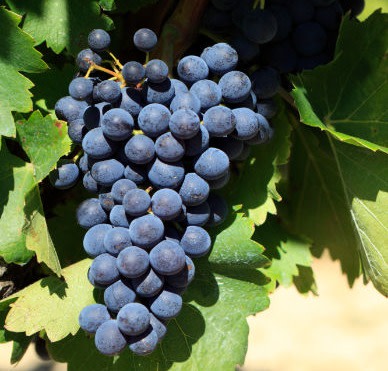
The name “Merlot” (pronounced mer-low) is believed to be a form of the French word merle, meaning blackbird. This is believed to reference the grape’s skin color—a distinctive black-blue hue. Merlot’s characteristics make it both a delicious single-varietal wine and ideal for blending. In its home of Bordeaux, Merlot is a key ingredient in the iconic Bordeaux blends.
Is Merlot a Red Wine?

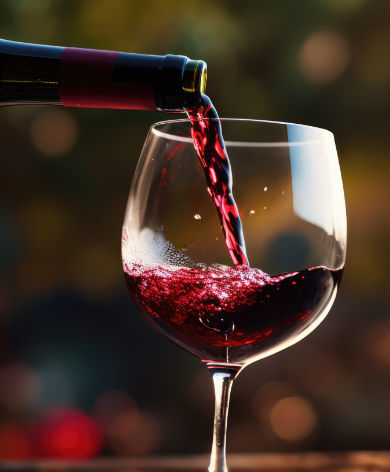
Produced from black-skinned grapes, Merlot wines are red in style.

Depending on the region and winemaking style, the color of Merlot wines can range from vibrant ruby to deep garnet. This color comes from the grapes’ skin, as the juice inside is clear. During the winemaking process, the crushed grapes are left in contact with their skins to extract color, tannins and flavor—a process known as maceration. This process can last anywhere from a few days to a few weeks and directly influences the color of the wine.

Some winemakers, particularly in California, also produce a “White Merlot.” Despite its name, White Merlot isn’t a white white—it’s a style of rosé. Here, the black-skinned Merlot grapes are macerated for a very short period, just enough to add a slightly pink hue. After this, the skins are quickly removed. This results in an easy-drinking rosé wine with fresh and fruity flavors like strawberry or raspberry, plus some floral notes.

Is Merlot Dry or Sweet?

Merlot is classified as a dry wine containing minimal residual sugar and no “sweetness.” However, its fruit-forward character could be perceived as sweetness.

When describing a wine’s style, it’s important to know the differences between “fruity” and “sweet.” When a wine is described as fruity, this refers to the presence of natural fruit flavors in the wine. If a wine is described as sweet, this refers to its residual sugar level. So, a wine like Merlot can be fruity and packed with sweet dark berry flavors, but it can be a dry wine due to its low sugar content.

What Does Merlot Wine Taste Like?

Merlot is famous for its approachable character. Dark fruit flavors dominate each sip—look for notes of black cherry, black berry, plum and raspberry. There is normally a dried herb note, which adds complexity to the wine. When Merlot wines are aged in oak barrels, they can develop deep notes of vanilla and chocolate or baked figs.

The style of Merlot wine can vary, the two most common being the International and Bordeaux styles. The International style is generally full-bodied with a high alcohol content and ripe black fruit flavors, often with an obvious oak influence. The Bordeaux style tends to be lighter, with a medium body, balanced acidity and stronger red fruit and herb notes.

Climate can greatly influence a Merlot wine’s style. Grapes grown in warmer regions, like California, produce fuller-bodied, riper wines, perfect for the International style. Cooler regions, like Bordeaux, make wines with brighter fruit flavors and more acidity.

Merlot also plays a crucial role in Bordeaux blends. It contributes its lush fruit flavors and soft tannins, adding balance to the blend. Its characteristics work well with the robust tannins and acidity of Cabernet Sauvignon, the other key grape variety in the blend. On the Right Bank of Bordeaux, Merlot is often used as the base/majority of the blend.

Where Do The Best Merlot Wines Come From?

Merlot is one of the world’s most widely planted red grape varieties, with vineyards stretching from China to Argentina.

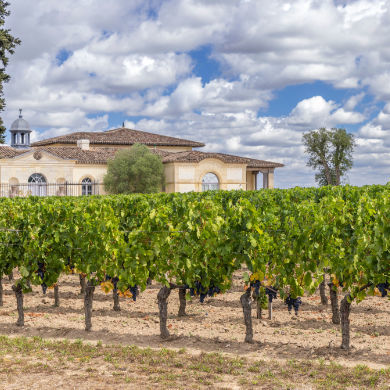
  • Europe—In France, Merlot is the star of Bordeaux’s Right Bank, particularly in districts like Pomerol and Saint-Émilion. With its cooler climate, the Merlot grapes grown here retain their acidity and have brighter, lighter red fruit flavors, creating some of the best Merlot wines available. In Italy’s Tuscany region, Merlot is a key player in the production of Super Tuscan wines (blends of local and international varietals). Spain also has a number of Merlot plantings, with Catalonia as its key region.

  • The U.S.—Merlot is North America’s fourth most planted grape variety. Napa Valley, California and Washington State are known for their richly flavored Merlot wines, and smaller plantings can also be found in New York State and Texas. California Merlot is known for its wide range of styles, from simple and fruity to complex and robust. Merlot wines from Washington State are deep in color and well-balanced.

  • South America—Head south, and countries like Chile and Argentina use Merlot in expressive, affordable wines. However, the grape isn’t considered a key variety compared to Malbec and Bonarda.

  • Australia—With its European influence, Aussie winemakers typically make Bordeaux-style blends with Merlot, particularly in the Margaret River and Coonawarra regions. It’s the third most planted red variety behind Cabernet Sauvignon and Shiraz.

  • China—The rapidly evolving wine industry in China includes substantial Merlot plantings, particularly in regions like Ningxia.
How Can I Pick a Good Merlot?

The best Merlot wines strike a perfect balance between fruitiness, acidity and tannins, with a depth of flavor and a soft, plush texture.

When looking for the perfect bottle, consider which style you like best. Do you prefer the full-bodied International style with dark fruit flavors or a medium-bodied Bordeaux style with red fruit notes? The elements that constitute a “good” wine depend on the flavors and textures you enjoy—whether you’re drinking wine on its own or pairing it with your favorite foods.

Merlot vs Cabernet Sauvignon

Merlot and Cabernet Sauvignon are popular red wines, but each has distinct characteristics.

  • Merlot, originally from Bordeaux, is softer and more velvety, with plush tannins and flavors of plum and cherry. The wine’s soft nature and moderate acidity make it approachable and versatile, particularly regarding food pairings. Merlot works well with both red and white meats or mushroom dishes. Its easy-drinking nature makes it an excellent choice for casual gatherings or dinner parties.

  • Cabernet Sauvignon is a key player on Bordeaux’s Left Bank. It’s complex, with high tannins and deep flavors of blackcurrant and cedar. The wine’s robust structure and higher acidity means it pairs very well with richer foods like steaks or strong cheeses, cutting through the richness and balancing out the meal. Its boldness makes it a fitting choice for formal occasions.

Merlot vs Pinot Noir

Choosing between Merlot and Pinot Noir  often depends on personal preference and the occasion. Both are from France, and both are known for their approachable nature.

  • Pinot Noir is silky and light compared to Merlot, with a delicate structure and bright acidity. It features red fruit flavors like strawberries and cherries, often with earthy undertones. Thanks to its silky texture and bright acidity, Pinot Noir is a must-serve alongside pork, grilled salmon and soft, creamy cheeses.

  • Merlot is known for its velvety, plush texture and medium body. The wine’s fruitiness and moderate acidity make it versatile when pairing wine with food. A reliable crowd-pleaser, Merlot complements a variety of dishes, from roast duck to smoked fish to mushrooms.

How Many Calories Are There in Merlot?

On average, a standard 750ml bottle of Merlot contains around 600-675 calories. This is based on the typical alcohol content for Merlot, which is around 13-14.5% ABV.

If a standard pour is 5oz (or 147ml), one glass of Merlot would contain approximately 120 to 135 calories. However, these figures are just average estimates. The exact calorie content can vary depending on the specific wine, influenced by factors like alcohol content and residual sugar levels.

What Foods Pair with Merlot Wine?

Merlot’s balanced fruitiness and soft tannins make it a versatile wine that pairs well with a wide range of foods. Overall, It is a delicious pairing with red meat, roast poultry, mushrooms, tomato sauces and strong cheeses.

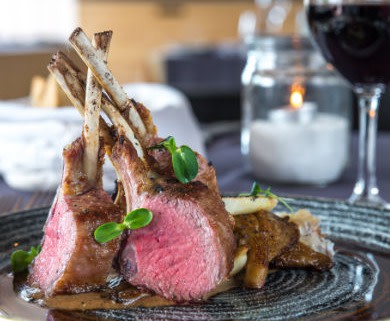
An international style of Merlot—which tends to be full-bodied with high alcohol and intense dark fruit flavors—pairs well with hearty, rich dishes. The robust structure of the wine can stand up to a grilled steak or roast lamb seasoned with rosemary. Matching Merlot with game meats like venison or complex dishes like beef stew also works well. The wine’s intensity can match the strong flavors in cheeses like Oregon Blue or Gorgonzola.

The Bordeaux style of Merlot pairs well with lighter dishes, thanks to its medium body, moderate alcohol and red fruit notes. The delicate flavors in roast chicken and turkey are complemented by the wine’s fruitiness without being overwhelmed, while Merlot’s moderate body is a good match for the texture of poultry. This style of Merlot also goes well with pork dishes, meaty fish like salmon or tuna, Mushroom risotto and tomato-based pasta dishes.
How to Store Merlot Wine

An unopened bottle of Merlot should be stored on its side in a cool, dark place, ideally at a consistent temperature of around 55°F. Most Merlot wines are meant to be enjoyed within a few years of release, although some high-end bottles can age well for over a decade.

Once opened, tightly reseal the bottle and refrigerate it to keep your wine fresh. Stored this way, an opened bottle of Merlot can last 3-5 days, although its flavors will gradually change and diminish after the first day because it has come into contact with oxygen.

Should Merlot Be Chilled?

Merlot is best served slightly cooler than room temperature—at around 60-65°F. This temperature allows the wine’s intricate flavors and aromas to express themselves fully.

If your Merlot is too warm, the alcohol can become more prominent, overshadowing its fruit flavors and making the wine taste unbalanced. If the wine is too cold, its aromas and flavors can become muted, and its acidity and tannins may be emphasized.

How to Serve Merlot

Serve your Merlot the right way to enjoy it at its best. In addition to serving temperature, you should consider whether decanting your wine is a good idea.

Decanting Merlot, particularly an aged one, can be beneficial. This process helps to aerate the wine, allowing its aromas to unfold and the tannins to soften, enhancing the overall taste. Younger, fruitier Merlots probably don’t require decanting and can be enjoyed immediately.

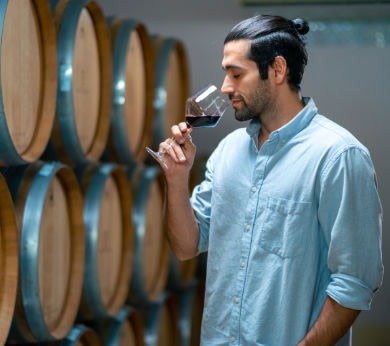
When serving Merlot, use a glass with a large bowl, designed for red wines. This type of glassware allows the wine to “breathe” and directs it to the tip of your tongue when you sip, allowing you to enjoy its balanced fruitiness and acidity.

Wine Subscriptions: Try Exciting Wines From Around The World

With a WSJ Wine subscription, you can discover the best wines from around the world. It’s an easy way to get your hands on wines you won’t find at your local grocery store.

A WSJ Wine club subscription offers wine lovers the opportunity to discover new wines from countries worldwide without leaving the house—you can select either our red, white, or mixed subscription cases, each containing a case of high-quality wines from across the world, to be sent to your door every three months.

AUTHOR

STEPHEN, SENIOR PERSONAL WINE ADVISOR

After 30+ years working in Michelin-starred restaurants with famous chefs in Manhattan, I found that I really do love wine—so for the last 10+ years, I’ve worked here, and every day is an adventure!

  • WSET – Level 2 Wines & Spirits Certified
  • Certified Restaurant Sommelier for 20+ years, achieving two James Beard awards

Favorite Wine: Brunello • Amarone • Barolo • Fine Rioja • Top-End Bordeaux

stephen@wsjwine.com | (203) 523-2162