
Shipping to CT
Red WineWhite WineRosé WineSparkling WineMixed Wine$30+$20-$30$15-$20TrioSixTwelveGold Medal RedsGold Medal MixBordeaux RescueWorld Class Spring RoséView AllBROWSE ALL MIXED WINE CASESRed Wine White WineRosé WineChampagne & SparklingDessert WineRed BlendWhite BlendArgentinaAustraliaChileFranceItalyNew ZealandPortugalSouth AfricaSpainUSABordeauxBurgundyCaliforniaLoire ValleyMendozaPiedmontRiojaRhôneTuscany and CentralVenetoCabernet SauvignonChardonnayMalbecMerlotMontepulcianoMoscatoPinot GrigioPinot NoirProseccoRieslingSauvignon BlancSyrah/ShirazZinfandelLow AlcoholAward Winning Red WinesAward Winning White WinesTop Rated Red WinesTop Rated White Wines90 Point WineDry Red WineFine WineBiodynamicOrganic GrapesVeganVegetarianBROWSE ALL WINESBROWSE LATEST OFFERSClassic Red & White WinesClassic Red WinesPremium Red WinesMother's DayCorporate GiftingFoodiesHost GiftsBirthdayThank YouWeddingBoutique Bubbly SixWine & Cheese Lovers' Gift SetBest-Selling Reds SixBest-Selling Whites SixWine Gift BagsDartington DecanterSlate Cheese BoardRechargeable CorkscrewCrystal Champagne FlutesFrench-Style Steak KnivesBROWSE ALL GIFTSIntro to Wine & Food PairingPairing Wine with LambWine & Cheese PairingsHow to Pair Wine & ChocolateItalian Food and Wine Pairing GuideWine ColorWine Cork vs. Screw CapHow to Hold a Wine GlassCheat Sheet to Wine Btl. SizesPreserve & Store WineTaste Wine like an ExpertBest Dry White Wine for CookingWine for BeginnersSauvignon Blanc GuidePinot Noir Wine GuideChampagne vs. ProseccoBest Non-Alcoholic WineBest Wines for EasterBest Sparkling for MimosasHost a Wine Tasting at HomeBest Wine & Champagne for a Wedding ReceptionCorporate & Business Wine Gift IdeasBROWSE ALL ARTICLESBROWSE ALL WINES
  • Home
  • wine blog
  • types of wine
  • American Cabernet Sauvignon Guide

American Cabernet Sauvignon Guide

Discover the best of USA wine with American Cabernet Sauvignon in this expert guide—covering history, regions, flavors and food pairings.

October 16, 2025

By Reanna, Wine Advisor Team Director

Cabernet Sauvignon is the world’s most popular red wine grape, beloved for its depth, structure and bold flavors. While it originated in Bordeaux, American Cabernet Sauvignon has become a global benchmark for a modern, ripe and fruit-forward red wine—especially the classics from California’s top regions. Explore our Cabernet Sauvignon collection to see how this grape thrives across styles and regions.

Origins and History

Cabernet Sauvignon first appeared in France’s Bordeaux region in the 17th century, as a natural cross between Cabernet Franc and Sauvignon Blanc. It made its way to California in the 19th century, and found a home away from home, especially in Napa Valley and Sonoma. The wine officially arrived in 1976 at the famous Judgment of Paris, when Napa Cabernets outscored top Bordeaux wines in a blind tasting—establishing the US as a serious contender on the world stage. Since then, American Cabernet Sauvignon has become a symbol of craftsmanship and prestige, with styles ranging from opulent Napa bottlings to leaner, more elegant expressions from Washington State and Oregon.

Cabernet Sauvignon Growing Regions in the USA

Cabernet Sauvignon thrives in diverse American climates, from the sun-drenched valleys of California to the cool, volcanic soils of Washington. Each region brings its own traditions, terroir and style to the grape. Below are the most significant growing areas shaping the character of American Cabernet.

Napa Valley (California)

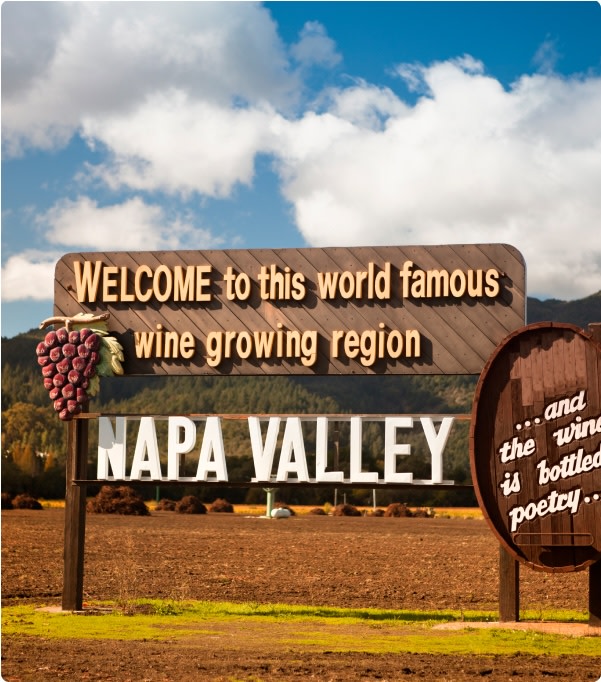
Napa Valley is the heartland of American Cabernet Sauvignon, producing some of the most prestigious and collectible wines in the world. Its success stems from a combination of Mediterranean climate, diverse soils and innovative winemaking that emphasizes both tradition and experimentation. Warm days ripen Cabernet grapes to achieve intensity and complexity over a long growing season, while cool nights preserve acidity and structure.

Winemaking here often includes longer skin contact during fermentation (known as extended maceration), generous barrel aging (especially in French oak) and careful vineyard management. The result: wines that are structured, age-worthy and deeply expressive. Napa Cabernets are celebrated for their opulence, concentration of dark fruit and ability to evolve gracefully for decades.

Napa is also defined by its smaller AVAs—distinct growing areas within the valley—each offering a unique expression of Cabernet Sauvignon. For more on AVAs and wine classifications, see the section on quality tiers below.

  • Oakville – Bold, structured Cabernets with velvety tannins and rich layers of cassis, mocha and spice. A classic Napa profile, balancing power and finesse.

  • Rutherford – Firm, age-worthy Cabernets defined by the signature “Rutherford dust,” a fine-grained tannic texture with earthy depth. Flavors lean toward blackcurrant, cedar and dried herbs.

  • Stags Leap District – Silky, perfumed Cabernets with red cherry, violet and a hint of baking spice. 

  • Howell Mountain – Mountain-grown Cabernets with firm tannins, deep concentration and a mineral backbone. Cooler temperatures and elevation bring freshness and ageability.

  • Atlas Peak – Structured, high-altitude Cabernets with vibrant acidity and a savory, herbal edge. Rocky volcanic soils contribute to purity and finesse.
Sonoma County (California)

While Napa gets the spotlight, Sonoma County offers remarkable Cabernet Sauvignon often at more approachable prices. The region’s diverse geography, from coastal fog to inland warmth, supports a wide range of styles. Winemakers here tend to emphasize balance over sheer power, producing wines that combine ripe fruit with freshness and layered complexity.

Cabernet has a long history in Sonoma—traditional farming methods meet modern innovation. Many producers focus on sustainable viticulture, using organic and biodynamic practices to let the land speak through the wine. Compared to Napa, Sonoma Cabernets often lean slightly cooler in tone, with vibrant acidity and more pronounced herbal or savory notes.

Key subregions include:

  • Alexander Valley – Juicy, fruit-forward Cabernets with soft tannins and generous notes of blackberry, plum and cocoa. These approachable wines are easy to enjoy young but can still offer surprising depth.

  • Knights Valley – Structured, mineral-driven Cabernets shaped by volcanic soils and warm inland conditions. Expect firm tannins, deep concentration and excellent aging potential.

  • Dry Creek Valley – Dark-fruited Cabernets layered with herbal lift and earthy undertones. A cooler microclimate brings freshness and savory complexity.

Paso Robles (California)

Further south along California’s Central Coast, Paso Robles has become a rising star for Cabernet Sauvignon. Warmer and sunnier than Napa or Sonoma, the region produces ripe, fruit-driven wines with rich concentration and plush texture.

Paso Robles has hot days followed by cool nights (a dramatic diurnal shift) help grapes retain acidity, striking a natural balance between power and freshness. Limestone-rich soils lend backbone and lift, keeping the wines from tipping into heaviness.

Winemakers here embrace boldness, often aging their Cabs in new oak to craft opulent, crowd-pleasing styles across a wide range of price points. Paso Robles Cabernets are approachable young yet structured enough for moderate aging—perfect for those who crave lush, intense fruit without the wait.

Washington State

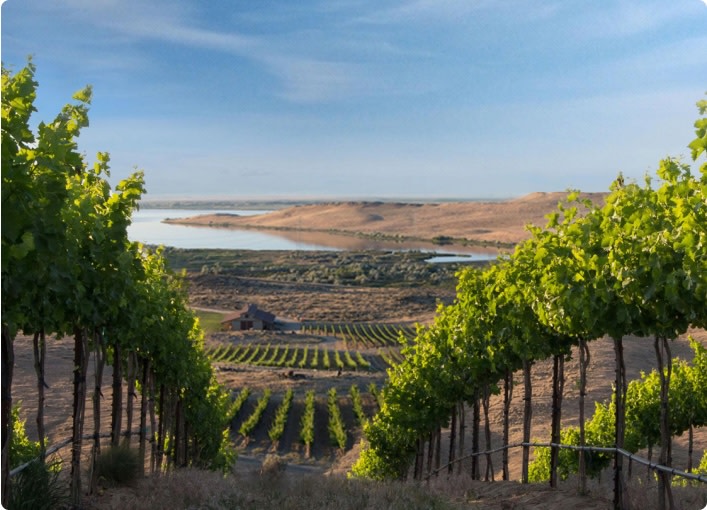
Washington has emerged as a major force in American Cabernet Sauvignon, driven by its unique terroir and a deep commitment to quality. Vineyards benefit from long summer days, cool nights and well-drained volcanic and loess soils—conditions that produce wines with ripe fruit, bright acidity and firm structure.

Washington Cabernets often strike a middle ground between California’s richness and Bordeaux’s restraint. They offer purity of fruit, polished tannins and standout value across a wide range of price points. Many are age-worthy but also approachable young, making them a smart choice for both collectors and casual drinkers alike.

Key AVAs include:

  • Columbia Valley – Broad, fruit-forward Cabernets with generous red and black fruit. These approachable styles are ideal for early drinking but can also develop with age.

  • Red Mountain – Dense, structured Cabernets with firm tannins, deep concentration and excellent aging potential. A go-to region for bold, cellar-worthy wines.

  • Walla Walla Valley – Elegant yet powerful Cabernets layered with dark fruit, savory herbs and a touch of minerality. Known for complexity and site-driven character.

Oregon & Emerging Regions

Oregon may be best known for Pinot Noir, but regions like the Umpqua Valley are showing that Cabernet Sauvignon has real potential here. Warmer pockets in Umpqua allow for ripe, structured wines, though production remains small compared to California and Washington.

Beyond the Pacific Northwest, Cabernet is gaining ground in emerging regions across the US. The Texas Hill Country turns out ripe, full-bodied Cabernets shaped by its hot, arid climate. In Virginia, clay-rich soils and humid summers give rise to balanced, Old World–style expressions. And in Arizona, high-elevation vineyards produce concentrated, sun-drenched Cabernets with surprising lift and freshness.

These regions may not have Napa’s global reputation, but they offer a glimpse into the future of American Cabernet—diverse, dynamic and full of discovery for curious wine lovers.

Typical Style and Characteristics of American Cabernet Sauvignon

Tasting Profile

American Cabernet Sauvignons are typically full-bodied, with firm tannins and moderate to high alcohol (13.5–15.5%). They strike a balance between richness and freshness, making them both powerful and food-friendly.

Flavor Notes

Expect bold flavors of blackcurrant, blackberry and plum, often layered with vanilla, cedar, and baking spice from oak aging. Cooler regions can bring out herbal tones and graphite, while warmer climates tend to yield riper, more jammy fruit.

Aging Potential

Top-tier Napa and Washington Cabernets can age gracefully for decades, developing leather, tobacco and earthy complexity. More affordable bottlings are best enjoyed within 5 years when their fruit flavors are at their most vibrant.

What Do Americans Pair with Cabernet Sauvignon?

Cabernet Sauvignon shines alongside bold, flavorful foods. Its tannins cut through richness, while its structure brings balance to hearty textures, grilled meats and savory depth.

Pairing 1: Ribeye Steak

This is the quintessential Cabernet pairing. The wine’s firm tannins cut through the ribeye’s marbled fat, cleansing the palate and amplifying flavors. Grilled or pan-seared, the steak’s caramelized crust draws out Cabernet’s darker fruit and any subtle oak spice from barrel aging.

Pairing 2: BBQ Brisket

Rich, smoky brisket meets its match in Cabernet’s dark fruit, spice and structure. Whether it’s Texas-style or Kansas City sweet, the meat’s slow-cooked intensity brings out the wine’s layered complexity and makes this a standout pairing in American barbecue culture.

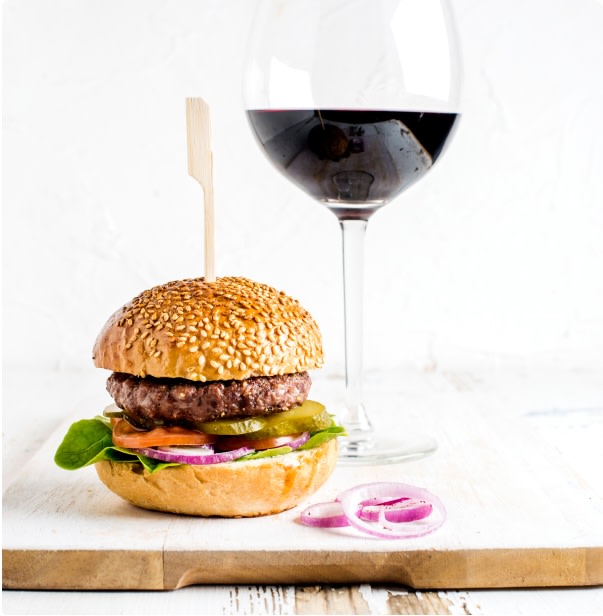
Pairing 3: Gourmet Burger

A juicy burger with aged cheddar or crispy bacon is a surprisingly elegant match for Cabernet. The umami-rich meat and salty toppings play beautifully with the wine’s depth, while the tannins bring polish to every bite.

Pairing 4: Roast Lamb

Herb-crusted lamb is a timeless companion to Cabernet Sauvignon. The savory, slightly gamey character of the meat matches the wine’s earthy tones—especially in bottles from regions like Rutherford or Red Mountain, where structure and herbaceous notes shine through.

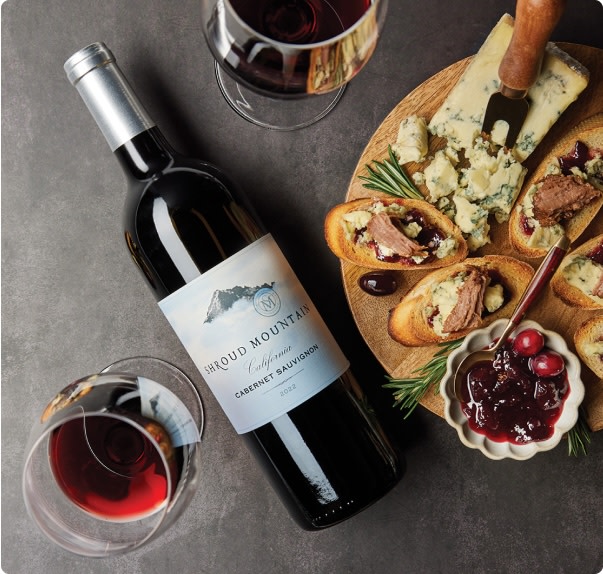
Pairing 5: Aged Cheddar

For a refined cheese pairing, aged cheddar delivers. Its sharpness and creamy fat balance Cabernet’s tannins and bold flavors, while the cheese’s nuttiness teases out the wine’s darker, more savory notes.
Types and Classifications

Cabernet Sauvignon Blends

While many American Cabernets are bottled as single-varietal wines, blending remains a key tradition—especially in Napa Valley and Washington State. Inspired by Bordeaux, these blends often combine Cabernet Sauvignon with Merlot, Cabernet Franc, Petit Verdot and Malbec. Each variety brings something distinct: Merlot softens tannins and adds plush red fruit, Cabernet Franc lends aromatic lift and spice, Petit Verdot deepens color and structure, while Malbec contributes richness and roundness.

In the US, these wines are sometimes labeled Meritage—a term coined in the 1980s to describe Bordeaux-style blends made on American soil. They range from approachable, everyday bottles to cellar-worthy wines crafted by elite estates. Many producers use blending to highlight balance, complexity and consistency—especially in vintages when Cabernet alone may lack dimension.

Blends are also where innovation thrives. In Paso Robles, winemakers often lean into bold proportions of Petit Verdot for powerful, inky results. In Washington, blends tend to show more restraint—echoing Bordeaux’s elegance while still reflecting the region’s signature purity of fruit. 

Finally, some American wineries market their Cabernet-based blends as “proprietary reds,” giving the wine a distinctive name rather than listing varietal percentages. This approach allows flexibility from vintage to vintage, while building brand identity around the blend itself. Wineries can adjust the blend each year based on how the growing season went without needing to stick to a fixed formula. Others use the term “reserve blend,” typically signaling a higher-tier wine made from select vineyard parcels or the best barrels in the cellar. While “reserve” isn’t legally defined in the US, it generally indicates greater concentration, structure and aging potential compared to the standard bottling.

Classifications & Quality Tiers

Unlike Bordeaux or Burgundy, the US doesn’t follow a rigid, government-enforced classification system. Instead, quality is communicated through labeling terms, vineyard designations, and producer reputation. The most widely recognized system is the American Viticultural Area (AVA) designation, which defines specific winegrowing regions based on geographic and climatic features—like Napa Valley, Rutherford or Red Mountain. Seeing an AVA on the label gives drinkers a sense of the wine’s origin and style.

Other key terms include:

  • Estate Bottled – Indicates that 100% of the grapes come from vineyards owned or controlled by the winery, and that the wine is produced and bottled on the estate.

  • Reserve – Not legally regulated in the US, but commonly used to signal a higher-tier wine made from select vineyard parcels or aged longer in oak.

  • Single-Vineyard Wines – Showcase the unique character of one site; increasingly popular in Napa and Sonoma for their focus on expressing the terroir.

At the very top of the spectrum are cult Cabernets—wines like Screaming Eagle, Harlan Estate and Bryant Family Vineyard. Produced in tiny quantities and sold through exclusive mailing lists, these bottles often command thousands of dollars and are prized by collectors for their scarcity, critical acclaim and aging potential.

That said, American Cabernet isn’t just for collectors. Excellent quality can also be found in mid-tier bottlings and AVA-designated wines that offer pedigree with approachability. From weeknight blends to rare cult icons, the classification spectrum reflects the depth, diversity and dynamism of Cabernet Sauvignon in the US.


WSJ Wine Recommends

These are the American Cabernets we recommend—bold, expressive, and handpicked for their balance, flavor and drinkability.

Raymond District Collection Benchmark Rutherford 2023

Napa Valley’s Rutherford region is “Cabernet country par excellence,” writes The World Atlas of Wine. This classic example from iconic Raymond Vineyards is full-bodied and complex, with exuberant black currant fruit, plus lovely cedar notes from top-quality French oak barrels.

The Magpie Oakville Cabernet Sauvignon 2023

The Magpie is a thrilling Napa Cabernet from the famed Oakville region (home to Screaming Eagle and Harlan). Because we signed an NDA to get it (which prohibits us from revealing the winemaker's name), it's yours at an equally thrilling price.

Republique Paso Robles Cabernet Sauvignon 2023

Paso Robles is “one of the most dynamic wine regions in California,” says (Wine Spectator). It’s also home to some fantastic values, like this super-rich, barrel-aged Cabernet.

Bonded Winery No. 2 Sonoma Valley Cabernet Sauvignon 2022

The Bundschu family are one of the most-respected families in California winemaking, founding one of its first wineries back in the mid-1800s. This Cab is the work of the latest generation, crafted from the estate vineyards that established their reputation.

Knotwood Horse Heaven Hills Cabernet Sauvignon 2019

Crafted in celebration of the West Coast’s ancient redwoods, Knotwood showcases Washington’s elegant, pure-fruited style of Cabernet. It has ripe dark-fruit flavors plus toasty vanilla notes from barrel aging.

Conclusion

American Cabernet Sauvignon has earned its place among the world’s finest wines. From Napa Valley legends to rising stars in Washington, Oregon, and beyond, the US offers a full spectrum of Cabernet styles to suit every palate. Whether you’re opening a cult bottling or an easy weeknight favorite, this grape continues to define American winemaking at its best.

AUTHOR

REANNA , WINE ADVISOR TEAM DIRECTOR

Originally from England, yet born in India, now living in the States, I have had a rather colorful life—with most of it being in all the shades, pigments, perfumes & plethoras of wonderful wine.

  • WSET – Level 3 Wines & Spirits Certified
  • Sake Level 1 Certified

Favorite Wine: Oaked Sauvignon Blanc • Aged Sémillon • Spicy Shiraz/Syrah • Tuesday night Etna Rosso • Vintage Champagne!

reanna@wsjwine.com | (203) 523-2159