


The Advantages of Wine Corks
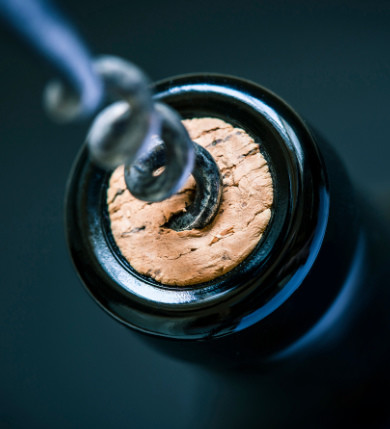
- Taste and aging potential—The elasticity of natural cork creates a tight seal that can compress and expand, trapping the aroma and flavor of the wine in the bottle. Cork also allows a tiny bit of oxygen exposure, which can help the aging process of wines meant for long-term storage. It can also develop a wine’s complexity and depth over time.
- Sustainability—Cork oak forests absorb carbon dioxide, and there’s no need to cut down trees down to harvest the cork. Plus, natural wine corks are biodegradable and recyclable.
- Vertical Tasting—Try several vintages of the same wine from consecutive years. This highlights how a particular vineyard’s or estate’s wines evolve.
- Tradition and perception—Many wine enthusiasts appreciate the satisfying and enjoyable ritual of uncorking a bottle, and nearly all high-end wines (outside of New Zealand and Australia) use cork closure to signify quality.
The Disdvantages of Wine Corks
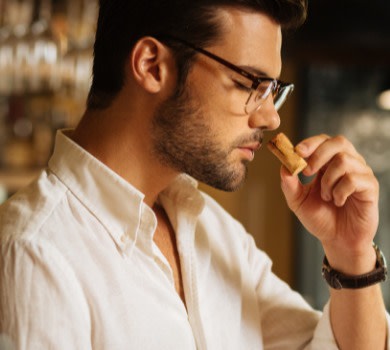
- Taint—Corks are sometimes the cause of “cork taint,” a musty aroma caused by a natural chemical compound called TCA (2,4,6-trichloroanisole) that’s present in the tree’s wood and bark. While advanced cork treatments have lowered instances of this, this still affects a small percentage of wines and can impact the wine’s taste and aroma. (It’s important to note that TCA can also be imparted to a wine through wooden barrels, not just via corks.
- Variability—While more of a concern for wine collectors, each cork is unique and can perform differently, which can cause slight bottle variations as the wines age.
- Convenience and cost—Corks require a corkscrew to open and are more expensive than alternatives like screw caps.
- Environmental impact—While cork production is widely viewed as sustainable, low-carbon and supportive of unique ecosystems, like many raw materials, it can be energy-intensive to transport.
The Advantages of Screw Caps
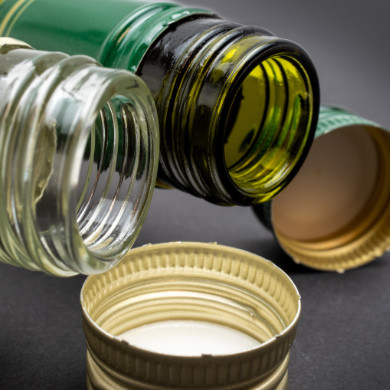
- Consistency—Screw caps provide a dependable seal, reducing the risk of oxidation and cork taint. This ensures that each bottle tastes as the winemaker intended.
- Convenience—Screw caps are easy to open and reseal without needing a corkscrew, making them much more convenient. They travel well and they’re quicker to open (no need to worry about forgetting your corkscrew at the summer cookout).
- Cost-effectiveness—Typically cheaper than traditional corks, screw caps can help reduce the overall cost of wine.
The Disadvantages of Screw Caps
- Aging potential—The jury is still out on whether screw caps let wines age optimally. Some argue that the lack of oxygen can restrict the development of the wine. However, technology has evolved and some manufacturers offer screw caps that claim to offer specific levels of oxygen ingress over time (giving winemakers more options and predictability in terms of how the wines will age).
- Perception—Some consumers associate screw caps with cheaper wines, though this perception is changing as more high-quality wines are bottled using screw tops.
- Environmental impact—While the aluminum cap is recyclable, the plastic liner is not.
Alternatives to Natural Cork and Screw Caps
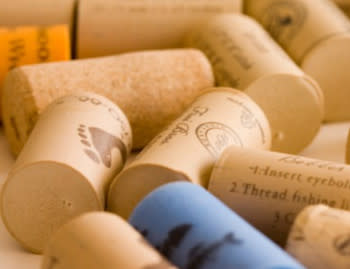
You may have noticed some alternatives to natural cork and screw tops, which are also gaining in popularity, like plastic or synthetic corks. These offer the familiar bottle-opening experience without the risk of cork taint. However, some winemakers find they don’t provide as secure of a seal for long-term aging.
Composite corks (also called agglomerated corks), made from a blend of cork granules and glue, are another option. They help winemakers avoid some downsides of natural cork, like cork taint, while keeping the traditional look and feel. But, like synthetic corks, their long-term performance is often debated regarding how wine ages in the bottle.
In recent years, there have been even more innovative closures, including VinoLok (a stylish glass closure often used for rosés intended for early consumption) and the Helix (which combines cork and glass).

AUTHOR
REANNA , WINE ADVISOR TEAM DIRECTOR
Originally from England, yet born in India, now living in the States, I have had a rather colorful life—with most of it being in all the shades, pigments, perfumes & plethoras of wonderful wine.
- WSET – Level 3 Wines & Spirits Certified
- Sake Level 1 Certified
Favorite Wine: Oaked Sauvignon Blanc • Aged Sémillon • Spicy Shiraz/Syrah • Tuesday night Etna Rosso • Vintage Champagne!
reanna@wsjwine.com | (203) 523-2159