
- Home
- wine blog
- occasions and events
- The Best Wines to Celebrate Easter


Deviled Eggs
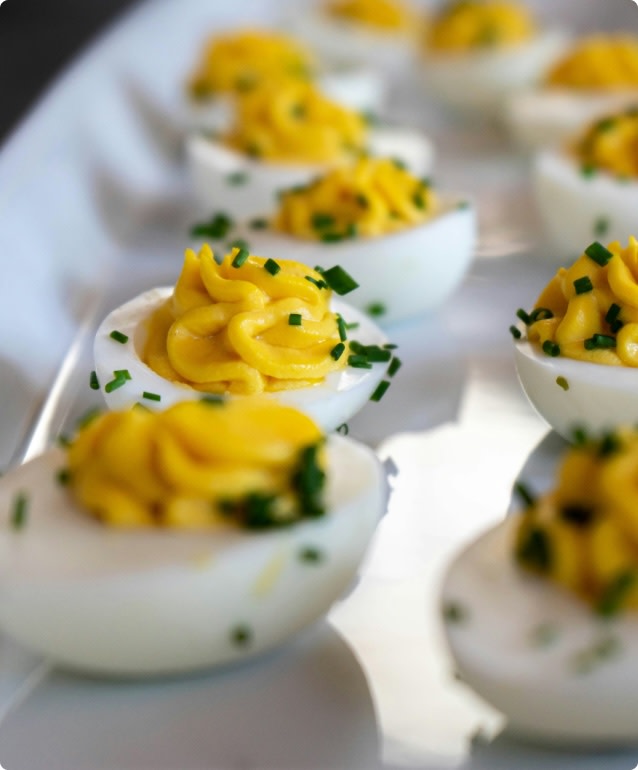
There’s no doubt that making deviled eggs is a genius use for all the eggs you’ve dyed. However, deviled eggs have a few qualities that make them inherently difficult partners for wine. For one, their savory yolk filling coats your mouth and can easily dull the taste of anything in your glass. For another, the flavor of eggs’ natural sulfur compounds is amplified once they’ve been hardboiled (cooking intensifies the perception of eggs’ sulfur, but hard-boiling also traps the gas inside the eggs’ shell, making it extra potent).
A pop of sparkling wine is the best way to outsmart both these undesirable qualities. Sparkling wines’ high levels of acidity and effervescence counteract deviled eggs’ creamy and unctuous yolky filling, while its delicate fruit flavors emphasize the filling’s delightful tang and the egg white’s more neutral taste. While most bubbles would be delicious accompaniments, lighter styles like Prosecco, Pétillant Naturel or dry Sekt would be best.
Asparagus Tarts, Gratins and Beyond
Unfortunately, many of the season’s freshest flavors also happen to be the trickiest to pair. And thanks to its organosulfur carboxylic acids (naturally occurring compounds that make a lot of wines taste bitter or metallic), asparagus is more tricky than most. The best way to get around it all is to is to choose a crisp and compelling sparkler. Prosecco is a good wine for asparagus dishes, as its lighter, fruity aromas and flavors, and delicate bubbles will counter the vegetable’s grassy-green notes. Alternatively, Champagne (or its good-value substitute, Crémant) is another delicious wine for asparagus thanks to a toastiness and opulent texture that would highlight asparagus stalks’ sweeter tones.
Stuffed or Steamed Artichokes
Like asparagus, springy artichokes possess chemical compounds that can make them difficult to match with a variety of wines. However, if you account for the biggest party pooper—cynarin, which can make wine seem sweet or bitter, depending on your taste buds—you’ll find artichokes and wine can actually work quite well together.
Once again, sparkling wines’ refreshing acidity is what makes it a top choice for this Easter mainstay. For steamed or simply prepared artichokes, Prosecco is a delicious option because its gentle fruit flavors won’t overwhelm artichokes subtle, somewhat earthy tones. For more robust, flavor-packed preparations like those stuffed with garlic, cheese and breadcrumbs, try Cava. With a more pronounced bubble and persistent acidity, it will cut through the big, fatty-savory flavors of the artichokes’ stuffing.
Springy Risotto
Whether you’re serving risotto packed with springtime vegetables like leeks and peas, or a version that celebrates all the delicious herbs that are finally, well, springing to life, white wine is the best pairing for this Easter dish. Generally speaking, white wines have more noticeable acidity to balance out a risotto’s creamy complexity, and even the more fruit-forward red wines would easily overwhelm the vegetables’ delicate qualities.
That said, you’ll still need to choose your white wine wisely. Opt for something light- to medium-bodied with medium- to high-acidity levels and approachable fruit flavors. Avoid white wines aged in oak, which can have buttery, creamy or caramel-like characteristics that may be too matchy-matchy with those of risotto. Pinot Grigio, Gavi and Verdicchio would all be good wines for this Easter go-to
Scalloped Potatoes
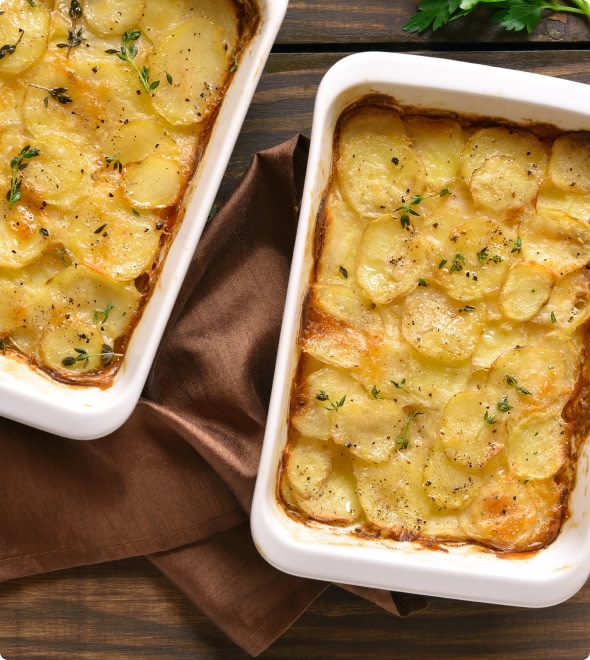
In this classic Easter potato recipe, the potatoes remain rather neutral, and the cream, butter and cheese become the most pronounced qualities to think about. So, just like for risotto, richness is the main concern when choosing a wine to pour, and Pinot Grigio, Gavi and Verdicchio would all be worthy matches. But given the potatoes’ starchy and simple flavors, you do have a little more room to play here. Try a white wine with a little more fruit and zip, like Sauvignon Blanc, Riesling or Albariño.
Glazed Carrots
An Easter favorite, glazed carrots are equal parts earthy and sweet, which means lush or textural, rounded white wines are typically their best pairing. Though technically dry, the inherent qualities of these white wines can sometimes be perceived as sweet (in a good way!), balancing out the carrots’ earthier characteristics and matching up with their sweeter tones. The wines’ weight, meanwhile, ensures the wine won’t get lost in this party of flavors. From white Burgundy to California favorites, medium-bodied Chardonnay makes a delicious accompaniment, as do aromatic, stone- and orchard-fruited Viognier and Chenin Blanc.
Rosé Wine Pairing Ideas for Easter
Like sparkling wine, rosé wine is an absolute pairing all-star for Easter. Its acidity makes it ultra versatile, while its just slightly tannic nature, and berry and red-fruit flavors aren’t as dominant as those of red wines. And because pink wine is rarely made using oak barrels, you won’t have to consider how it was fermented or aged as you would when choosing a white. Here are a few rosé paring ideas for Easter dishes.
Quiche of all Kinds
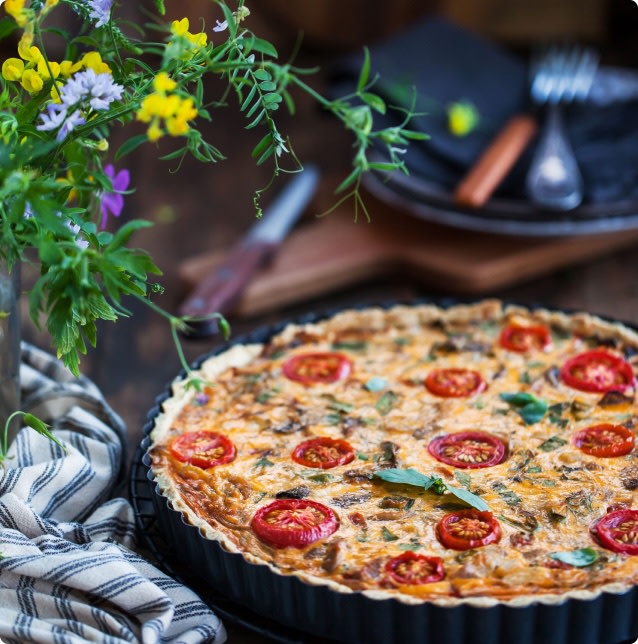
Creamy, fluffy, savory quiche, with its oh-so-buttery pie crust base, practically demands a nice, bright and crispy, berry-laden rosé—especially if cheese or bacon are involved. The best rosé wines for the Easter brunch classic are those that are lean and structural, with delicate fruit flavors and medium- to high-acid levels. Think Provençal rosé or any international bottlings produced in that beloved ballet-slipper pink Provençal style.
Roast Chicken or Turkey
Forget the whole “white wine for poultry” thing—rosé wine is truly our top pick for roast chicken and turkey. The birds’ crispy skin and tender dark meat call out for refreshing acidity and clean minerality, while the more neutral characteristics of their white meat generally work best with red fruit flavors. Though most rosé is good for these Easter dishes, a pink style that’s a little more robust, like Italian rosato or Spanish rosado, would be extra delicious.
Red Wine Pairing Ideas for Easter
While spring brings delicate and fresh flavors front and center, some of the most classic main dishes at Easter are often meaty and heavier. For these, red wine is definitely the best pairing to reach for. The type of red wine you choose will depend on your ingredients and preparation. Here are some of the best red wines for Easter main dishes.
Roast Lamb, Rack of Lamb, Lamb Chops and more
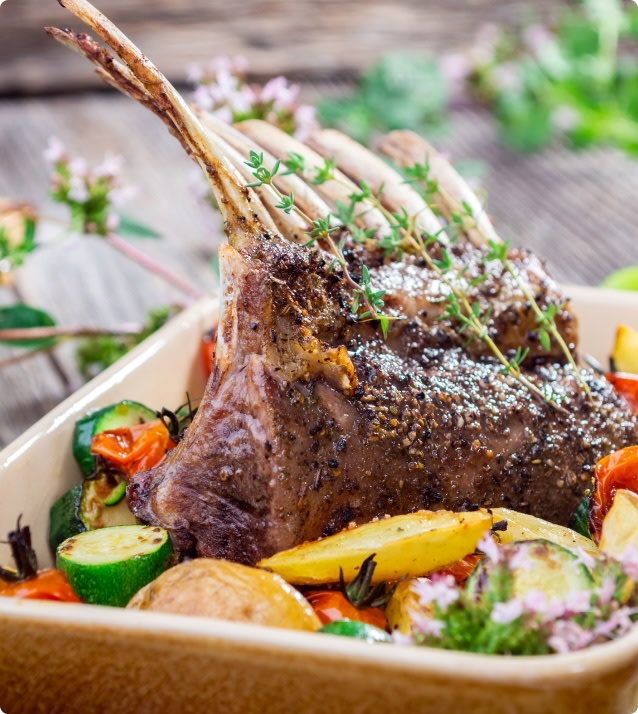
Spring lamb is probably the most quintessential Easter dish of all. And no matter which cut you choose—or which way you want to cook it—the best red wine for Easter lamb has got to be rich and intensely flavorful in order to stand up to the meat’s texture and bold profile. Bordeaux, Cab Sauvignon and Côtes du Rhône are all classic choices, but we’d also recommend giving Syrah (or Shiraz, if you’re thinking Australian) a shot. With peppery and herbaceous accents, the big red offers the perfect complement to lamb’s rustic yet tender nature.
Glazed Ham
Along with roast lamb, glazed ham may be the most traditional Easter main. And for this pork preparation, we have one word for you: Pinot! Pinot Noir’s light- to medium-body and balance of red fruit flavors with mineral-earthy qualities absolutely sing alongside the sweet-savory meat. The red wine’s bright acidity also helps, cutting through the rich and fatty flavors of the ham.
If you must pour something else, consider Sangiovese. While a bit more tannic than Pinot Noir, this Italian red wine is also on the medium-bodied side, and has strawberry and cherry flavors that resonate well with the ham’s sweeter tendencies.
You’ll also want to consider the flavors you’ll be eating. For example, fruity or vanilla-laden desserts typically taste better with lighter, brighter, fruit-forward or honeyed wines than they would with something dense, earthy or tannic. Here’s how to pair a few Easter favorites
Carrot Cake
Though the flavor profile of carrot cake can vary depending on its recipe and whether it contains mix-ins like nuts, coconut or raisins, you can rely on this dessert for the perfect balance of sweet and earthiness. Dessert wines that are sweet and fruity, with well-poised acidity, like ice wine, late harvest Riesling and Sauternes, are good wines for this Easter dessert.
Chocolate Anything
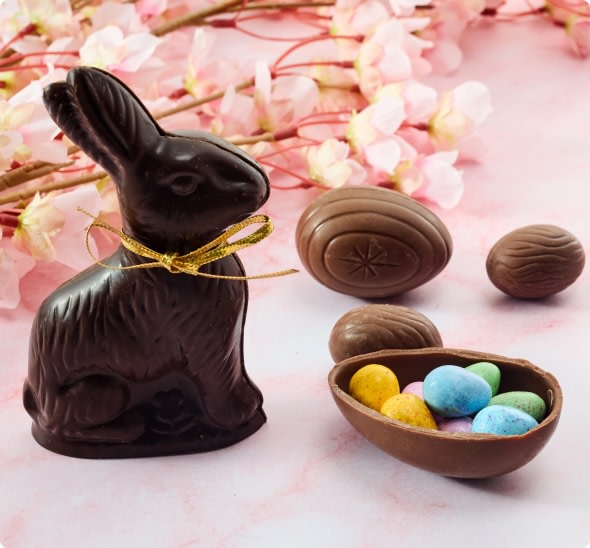
Because it can be bitter and tannic (like wine!), and because its sweetness has a tendency to linger in your mouth, chocolate can be surprisingly difficult to pair with any pour. Fortified wines like Port (especially tawny and ruby Port), Sherry and Madeira will stand up nicely, and may even amplify the chocolate’s sweeter side.

AUTHOR
KAREN, PERSONAL WINE ADVISOR
The best moments of life involve entertaining friends and family over great meals, great wine and genuine laughter. I sometimes can’t believe that I get to do this for a living!
- WSET – Level 2 Wines & Spirits Certified
Favorite Wine: Rhône Reds • Sonoma Reds • Barrel-Aged Rioja • If I can get a good, sumptuous lip smack from my glass, I am pleasantly charmed!
karen@wsjwine.com | (203) 523-2157