
- Home
- wine blog
- wine and food
- Comprehensive Chardonnay Food Pairing Guide

Chardonnay is a shape-shifter grape variety, ranging from lean and mineral-driven to round and ripe. Its body and acidity allow it to handle both delicate seafood and cream-based dishes that lighter whites cannot. Thanks to its texture and acidity, Chardonnay food pairing can be a versatile, experimental exercise.
How the Chardonnay was made is a major thing to keep in mind. An unoaked Chardonnay, typically lean and citrus-driven, contrasts sharply with an oak-aged Chardonnay, which is typically rounder in texture with accent notes of toast and butter. This distinction determines what pairs well with Chardonnay.
Below, you can learn more about the nuances of Chardonnay food pairing across styles and preparations.
Appetizers, Starters & Snacks
Appetizers should reflect the wine’s structure. Chardonnay’s acidity and body make it especially effective with creamy dishes, light seafood and toasted, nutty dishes. Preparation matters as much as the ingredient. Roasting, grilling or adding cream changes how the wine interacts with the dish. Lighter, unoaked styles favor fresh herbs and zesty dips, while oak-aged bottles can handle the richness of melted cheese or buttery pastries.
Cheeses
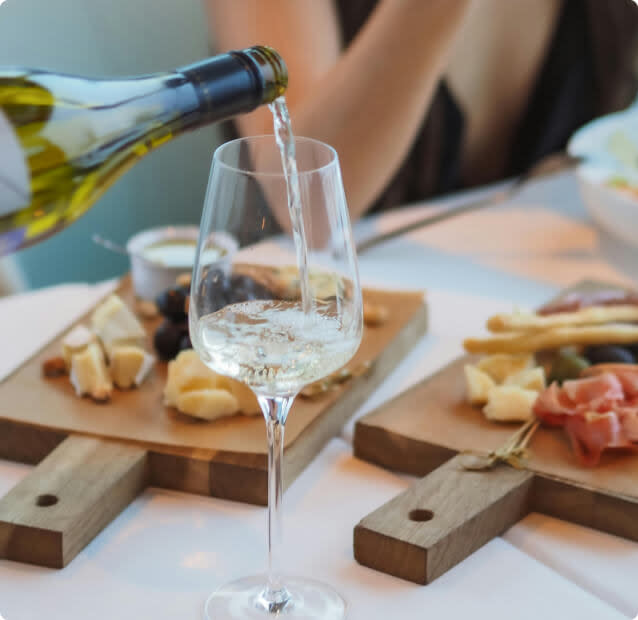
Chardonnay performs consistently well alongside cheese. The wine’s acidity cuts through the fat of the cheese, refreshing the palate, while the cheese’s creaminess mirrors the wine’s texture. When selecting a Chardonnay cheese pairing, prioritize semi-soft and creamy cheeses that echo the wine’s mouthfeel. Nutty cheeses are particularly effective with oak-aged styles, as they complement the barrel influence.
- Brie: The creamy, buttery interior of Brie is a classic match, especially for oaked styles where the textures are in harmony.
- Camembert: Similar to Brie but often earthier, it works well with the savory undertones found in many oak-aged Chardonnays.
- Gruyère: Its distinct nuttiness is a fantastic complement to the toasted oak notes in fuller-bodied Chardonnay.
- Comté: Offers complexity and firmness that stand up to full-bodied Chardonnay.
- Havarti: Creamy and mild, Havarti allows the pure fruit flavors of an unoaked Chardonnay to really shine.
- Mild Cheddar: A semi-hard cheese whose gentle sharpness highlights the apple and pear notes often found in Chardonnay.
- Fontina: Its melting quality and mild flavor make it versatile for both styles.
Avoid: Extremely sharp aged cheeses, very pungent washed-rind cheeses and aggressive blue cheeses. These intense flavors can dominate the wine’s fruit and mask the nuances of its texture.
Charcuterie & Snacks
While red wine often gets the credit for charcuterie pairings, Chardonnay performs just as well with lighter meats and pâtés. Light cured meats suit the wine better than heavily smoked options, which can overpower its fruit flavors. Toasted nuts reinforce any oaky notes in a barrel-aged Chardonnay.
- Prosciutto: The delicate saltiness enhances the wine’s acidity without overpowering its fruit flavors.
- Chicken Liver Pâté: The creaminess aligns with the weight of a fuller-bodied Chardonnay.
- Roasted Almonds: A perfect partner for oak-aged Chardonnay, highlighting its toasted character.
- Hazelnuts: Their distinct flavor pairs especially well with Chardonnay with subtle savory notes, like those from Burgundy.
- Mild Salami: Look for salami with herbs or fennel rather than heavy pepper spice.
Avoid: Sweet glazes, extremely spicy charcuterie and heavy, dominant smoke. Heavy smoke can overwhelm the fruit flavors and texture of the wine—especially with lean, unoaked styles. Light smoke can work with richer, oak-aged Chardonnay, but balance is key.
Vegetarian Starters & Appetizers

Vegetable-based starters are strong partners for Chardonnay as long as the acidity is not too high. Earthy vegetables pair well with oak-aged styles, while crisp, fresh vegetables and citrusy vinaigrettes are better with unoaked Chardonnay.
- Mushroom Tartlets: The earthiness of mushrooms connects with the savory, spice notes of Chardonnay aged in French oak barrels (typical of specific regions in Burgundy, particularly villages like Meursault, Puligny-Montrachet, and Chassagne-Montrachet).
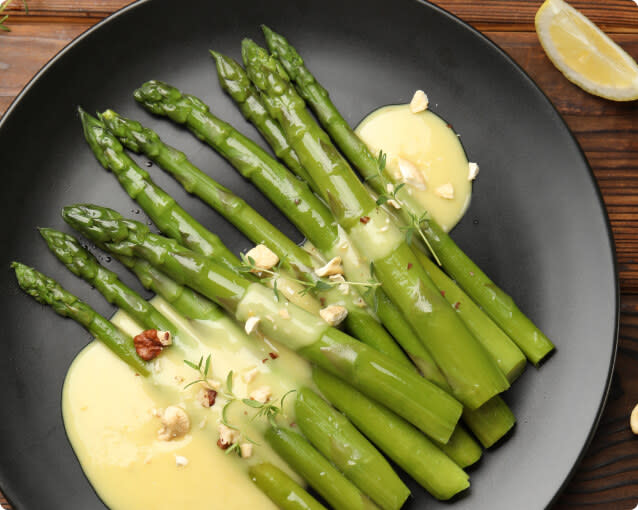
- Asparagus with Hollandaise: While asparagus is tricky, the velvety sauce makes it Chardonnay-friendly.
- Roasted Zucchini: Roasting brings out sweetness that matches the riper fruit notes typically found in California Chardonnay.
- Herb-Based Dips: Creamy dips with dill or tarragon work well with fresh, unoaked Chardonnay.
- Spinach and Artichoke Dip: The creamy base is the key to success.
Avoid: Raw, highly acidic salads without fat and overly sweet vegetable glazes. Acidity in food without a cushioning element such as fat or cream can make fuller Chardonnay styles taste flat or unpleasantly sharp.
Entrées & Main Courses
When moving to the main course, remember that Chardonnay carries more body than many white wines, allowing it to stand up to richer dishes. However, knowing what food goes with Chardonnay still depends on the style. In an unoaked Chardonnay food pairing, lighter seafood and herb-forward poultry perform best, while oak-aged Chardonnay pairs beautifully with buttery, creamy and roasted dishes.
Seafood
Seafood remains the most natural choice in Chardonnay pairing, as long as the preparation matches the wine’s weight. Its body holds comfortably alongside shellfish and fleshy fish like Halibut, while its acidity cuts through fat. Coconut-based or lightly spiced seafood preparations can also work with fuller-bodied styles when fat and texture soften the heat.
- Lobster with Butter: A classic partner for full-bodied, oak-aged Chardonnay.
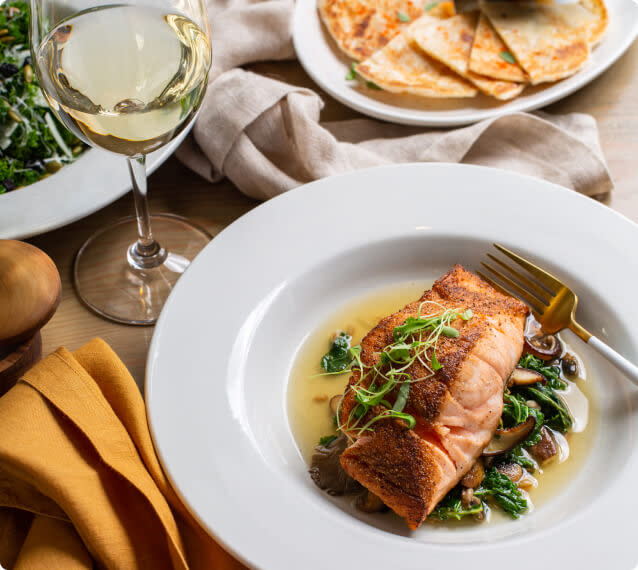
- Grilled Salmon: The char from the grill complements the toast of the barrel in an oaked Chardonnay, while the oily fish matches its body.
- Seared Scallops: Their inherent sweetness suit rounder Chardonnay styles.
- Crab Cakes: The savory, fried exterior and sweet meat inside work with both styles.
- Shrimp in Cream Sauce: Creamy pasta or bisques mirror the roundness of certain Chardonnays.
- Baked White Fish: Halibut or cod with a lemon-butter sauce is a versatile choice.
- Seafood Risotto: The starchiness of the rice and the richness of the stock support Chardonnay’s body.
Avoid: Sweet glazes, overly spicy seafood and heavily tomato-based seafood stews with oak-aged or low-acid Chardonnay styles. Lean, high-acid styles can handle moderate tomato acidity when offset by olive oil or the natural oils in seafood, but excessive acidity and heat will overwhelm the wine.
Poultry
Chicken and turkey give Chardonnay room to show its range. The fat in poultry skin and dark meat complements the wine. Cream sauces echo the texture of oak-aged Chardonnay, while unoaked styles favor lemon and herb-forward preparations.
- Roast Chicken: A simple roast chicken with thyme and lemon is consistently successful.
- Chicken in Cream Sauce: Dishes like Chicken Alfredo or creamy mushroom chicken are ideal for oaked Chardonnay.
- Turkey with Gravy: The depth of the gravy and the savory meat work well, making Chardonnay a popular choice for holiday meals.
- Chicken Pot Pie: The buttery crust and creamy filling are well suited to more opulent Chardonnay styles.
- Duck with Restrained Fruit Glaze: Duck fat provides sufficient weight for the wine as long as the glaze isn't too sweet.
Avoid: Sweet BBQ chicken and high-heat spice levels. Extreme spice can overpower the fruit and amplify the alcohol, making the wine feel hot and unbalanced. Moderate spice can work when softened by cream, butter or the density of the dish.
Pork and Light Meats
Chardonnay has enough weight to handle lighter meats beyond poultry. Pork tenderloin and veal are excellent options, especially when prepared with savory or creamy elements.
- Pork Tenderloin: Lean and mild, it takes on the flavors of sauces well.
- Apple-Glazed Pork: A restrained sweetness in the glaze mirrors the apple notes often found in Chardonnay.
- Veal Piccata: The butter and capers in the sauce connect the dish to the wine.
- Herb Sausage: Mild sausages with fennel or sage work well with the wine's herbal notes.
- Light Braised Pork: Slow-cooked pork in a white wine sauce is a harmonious match.
Avoid: Very sweet glazes and heavy smoke, both of which will clash with Chardonnay’s typical flavor profile.
Pasta and Risotto

When considering what to eat with Chardonnay, pasta deserves serious consideration. Here, the sauce decides everything. Cream-based sauces match the wine’s weight, while acidity keeps the dish from feeling heavy. Tomato-based sauces require caution, especially with lower-acid, oak-aged styles.
- Fettuccine Alfredo: The butter and parmesan match the wine’s weight and soften its acidity.
- Mushroom Risotto: Earthy mushrooms and creamy rice echo the oak influence in barrel-aged Chardonnay.
- Pasta Primavera: Spring vegetables with a light cream or oil sauce suit unoaked styles.
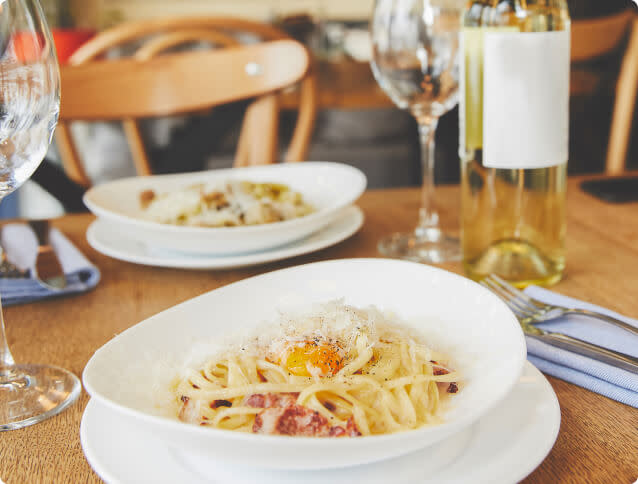
- Carbonara: Egg and cheese are high in fat and call for Chardonnay’s acidity and body to keep the dish from feeling heavy.
- Seafood Pasta: Linguine with clams or shrimp scampi works beautifully.
Avoid: Highly acidic tomato sauces can clash with oak-aged, lower-acid Chardonnay unless softened with olive oil, cheese or cream.
Vegetarian and Vegan Mains
Vegetarian main dishes can be just as compelling with Chardonnay. Focus on dishes that utilize creamy flavors (dairy or plant-based), roasting techniques and root vegetables.
Creamy Polenta: A rich base for roasted vegetables or mushrooms.
- Mushroom-Based Dishes: Portobello steaks or mushroom stroganoff align with savory wine notes.
- Cauliflower Gratin: The roasted, nutty flavor of cauliflower works well with oaky notes in barrel-aged Chardonnays.
- Roasted Root Vegetables: Butternut squash or sweet potatoes have a natural sweetness that matches a generously ripe-fruited Chardonnay.
- Butternut Squash Ravioli: The sage butter sauce often served with this creates a clear connection to the buttery notes of opulent, oak-aged Chardonnay.
Avoid: High-acid raw dishes and excessively sweet preparations that can make the wine taste sour.
Desserts
Dessert requires restraint when the wine is dry. In Chardonnay food pairing, sweetness needs control, as excessive sugar can make the wine taste thin, sharp or bitter. Light desserts centered on fruit or nuts are the safest approach.
Light and Nutty Desserts
Stick to pastries and desserts that are not overly sugary. Nutty elements echo the oak notes in barrel-aged Chardonnays, while creamy textures enhance its mouthfeel.
- Almond Cake: The nuttiness pairs perfectly with an oaked Chardonny.
- Apple Tart: Apple notes are commonly found in Chardonnay, creating a harmonious pairing.
- Pear Tart: Similar to apple, pear offers a subtle sweetness that is effective.
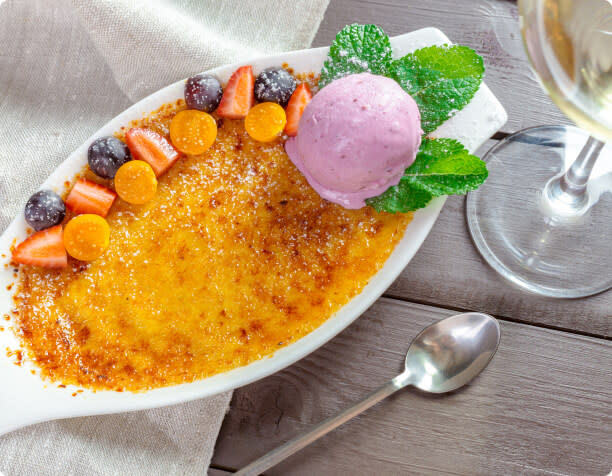
- Custard-Based Desserts: Crème brûlée or flan mirrors the creamy texture of many Chardonnays.
- Light Vanilla Pastries: Vanilla notes in the dessert highlight the vanilla character often derived from oak aging.
Avoid: Chocolate-heavy desserts, syrupy pastries and caramel-dominant sweets, all of which will overwhelm the wine.
Final Thoughts on Chardonnay & Food Choices
Chardonnay food pairing begins with identifying whether the wine is lean and unoaked or round and oak-aged. An unoaked Chardonnay favors fresh, mineral-driven dishes, while an oak-aged style has the body and richness to handle butter, cream and roasted flavors. When sweetness and aggressive spice are restrained, each style shows its full range.
Browse our Chardonnay selection, and for a deeper understanding of styles and food pairings, read our Chardonnay Wine Guide.

AUTHOR
REANNA , WINE ADVISOR TEAM DIRECTOR
Originally from England, yet born in India, now living in the States, I have had a rather colorful life—with most of it being in all the shades, pigments, perfumes & plethoras of wonderful wine.
- WSET – Level 3 Wines & Spirits Certified
- Sake Level 1 Certified
Favorite Wine: Oaked Sauvignon Blanc • Aged Sémillon • Spicy Shiraz/Syrah • Tuesday night Etna Rosso • Vintage Champagne!
reanna@wsjwine.com | (203) 523-2159