
- Home
- wine blog
- wine and food
- Comprehensive Rosé Food Pairing Guide

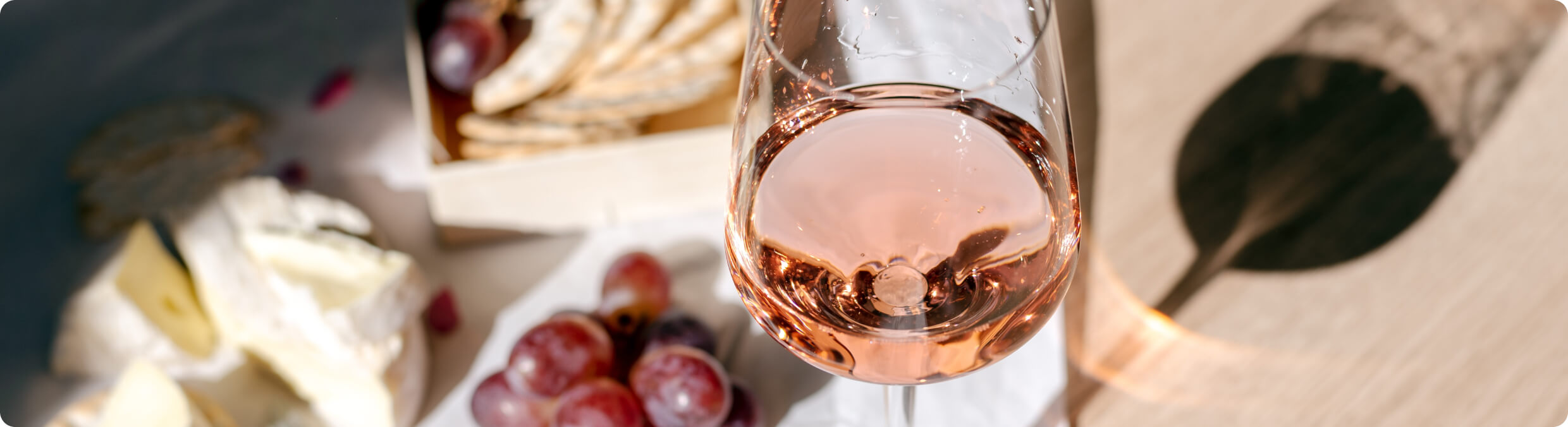
Cheeses
For cheese, rosé usually does better with softness, salt and a little tang. It can freshen up creamy textures beautifully, but strongly aged or funky cheeses tend to overpower it.
- Fresh Goat Cheese (Chèvre)—The tang meets the wine’s acidity head-on, and the creamy texture softens the finish.
- Feta—Salty, crumbly feta gives rosé something sharp to work against. That salty edge can make the wine’s berry notes seem even brighter.
- Burrata and Fresh Mozzarella—Soft, milky cheeses emphasize rosé’s refreshing character. A little olive oil and sea salt are usually all you need
- Young Manchego—The mild nuttiness and a firm texture make this a good option for rosés with a bit more body.
Avoid: Very sharp aged cheddar, strong blue cheese or anything intensely pungent. Rosé can lose its finesse next to cheeses that dominate the palate.

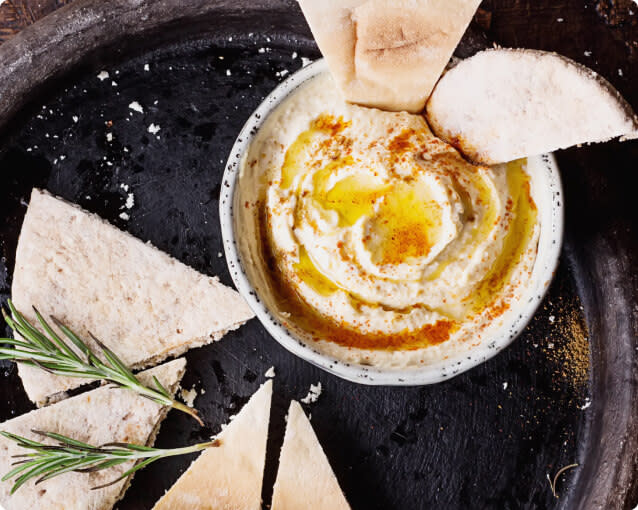
Rosé is delightful with veggie starters, especially those featuring tomato, lemon, herbs, peppers or a bit of char from the grill.
- Classic Hummus with Pita—Tahini and lemon give the wine something creamy and something fresh to play off of at the same time.
- Tomato and Basil Bruschetta—Juicy tomatoes and basil match the fresh character of rosé.
- Stuffed Grape Leaves (Dolmas)—Rice, herbs and lemon have a nice rounded flavor profile, brightened by a chilled glass of rosé.
- Grilled Vegetable Skewers—Rosé will refresh the palate after a bite of peppers, zucchini and onions with olive oil and herbs with sweetness and char.
Avoid: Very earthy mushroom spreads, sugary chutneys or starters with an overly sweet profile.
Seafood & fish
Seafood is one of rosé’s safest territories. Brine, citrus, grilled edges and the natural sweetness of fish or shellfish all give the wine something to complement.
- Grilled Salmon—Salmon has enough richness to need acidity, and rosé brings that to the table.
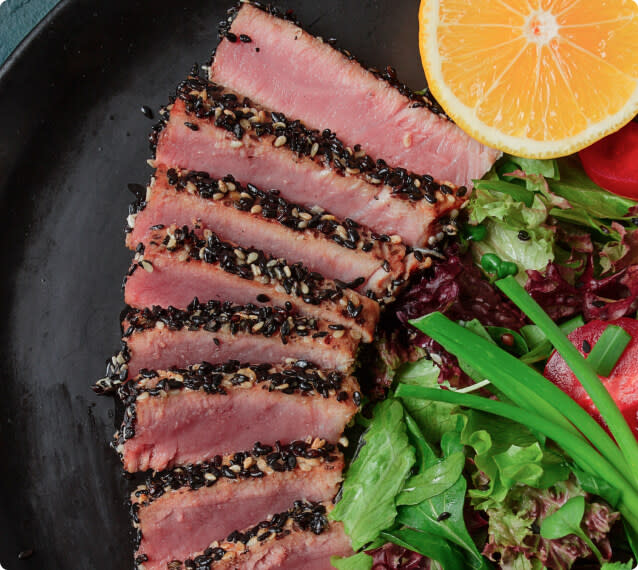
- Seared Tuna—Rosé suits tuna because it can handle the fish’s meaty texture while still keeping the palate fresh.
- Shrimp or Crab Ceviche—Cold, citrus-cured seafood matches the fresh character of a chilled glass of rosé.
- Paella—Rosé has the range for saffron, shellfish and the savory depth of paella.
Avoid: Seafood under heavy cream sauces or anything buried under dark, rich gravy. Those dishes usually need wines with a fuller body.
Salads & spicy dishes
Rosé has the acidity to match light dishes and handle spice without tasting bitter or flabby.
- Salade Niçoise—Tuna, olives, eggs, green beans and vinaigrette give rosé a lot of flavors to bring together.
- Thai Green Curry—A fruitier rosé can soften the heat and match coconut and herbs flavors.
- Spicy Fish Tacos—The chill of the wine helps reset the palate between bites where notes of lime, slaw and spice are present.
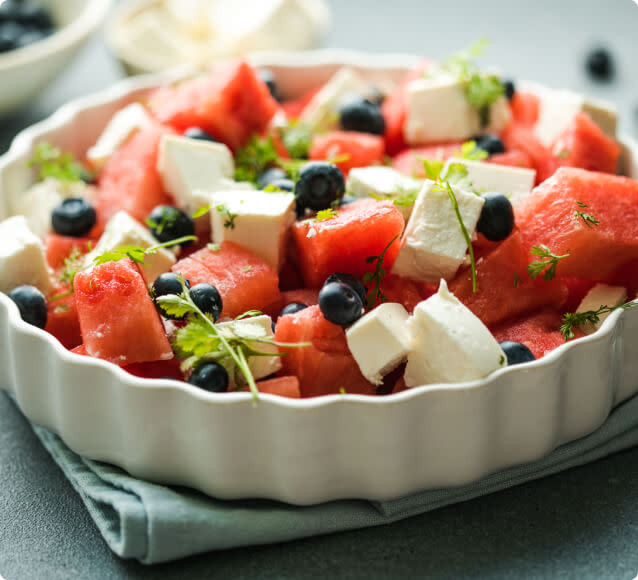
- Watermelon and Feta Salad—A simple warm-weather pairing!
Avoid: Harsh vinegar, too much raw onion or aggressive heat without any sweetness or cooling element. That combination can make the wine taste thin.
Fruit-Based Desserts
Fruit is usually the easiest place to land. It keeps the pairing lively and gives the wine’s berry or stone-fruit notes something familiar to echo.
- Strawberry Shortcake—Fresh strawberries are an obvious fit, but the biscuit matters too. It keeps the dessert from becoming too soft and sugary.
- Watermelon and Mint Salad—Cold, clean and very easy with a chilled glass of rosé.
- Raspberry Sorbet—The tartness does a lot of the work here. It keeps the wine from feeling dull.
- Peach Tart—A good choice when the rosé shows more stone-fruit character than berry.
Avoid: Sticky caramel desserts, syrup-soaked pastries or anything much sweeter than the wine.

AUTHOR
EILEEN, WINE ADVISOR TEAM MANAGER
I have always enjoyed working with passionate people that I can learn from. Most importantly, we are all partners in wine who continue to grow, challenge and share our knowledge daily. What could be better?
- WSET – Level 2 Wines & Spirits Certified
- Sake Level 1 Certified
Favorite Wine: Red Burgundy • Barolo • Rhone Reds • I’ve never met a rosé I didn’t like!
eileen@wsjwine.com | (203) 523-2161