
Fine wine can often seem exclusive or even a bit mysterious, but the truth is, it’s much simpler than you might expect. If you’ve ever asked yourself what is fine wine, know that what really sets fine wine apart is its unique character and the level of care that goes into making it. In this guide, we’ll break down what fine wine really means and how you can recognize it when you see (or taste) it.
Have you seen a “fine wine” section in a store or read a writer refer to a wine as fine, and wondered what makes a fine wine? There is no concrete demarcation between wines and “fine wines,” and subjective opinions come into play. To put it plainly, fine wines are usually made with a no-expense-spared kind of approach. And, if it fits within your preferences, you can recognize a fine wine when you taste it.
What Does “Fine Wine” Mean?
There is no classification of “fine wine,” or a universally agreed upon definition. However, fine wine usually refers to a wine that has been carefully handcrafted using pristine fruit, often from top regions where wines are able to ripen to perfection while retaining enough acidity, creating an experience in the glass that is equal-parts delicious and interesting. Certain traits like an intense concentration, refreshing acidity, perfect balance, complex flavors, a long finish or a clear sense of place can also signify that a wine is a fine wine.
Wine doesn’t have to be long-aged to be considered a fine wine, though this is a common misconception. However, many fine wines are made in such a way—with enough acidity, tannic and concentration—that they are able to age for years if you’d like to. Because of the higher standards, more expensive approaches and higher demand, many fine wines are expensive. On the other hand, you could also discover a wine with all the traits of a fine wine without the hefty price tag (often when the wine comes from an up-and-coming region).
Where Do Fine Wines Come From?
When discovering the world of wine, you might see some famous spots (such as Burgundy or Napa Valley) are considered fine wine regions. But if you keep tasting widely, you’ll quickly discover that exceptional wines are produced all over the world—from the heights of Argentina to the hills of England.
So, you don’t have to chase the biggest names to find amazing wine. Some of the best bottles come from small or lesser-known regions that rival the classics. What really counts is the vineyard’s conditions, the local climate, the soil and the passion of the people making the wine.
How To Tell If Wine Is Fine
You don’t need to be a wine expert to spot a fine wine. Just look for a few key signs and trust your senses.
Structure and Balance
Fine wines are distinguished from simple and average wines by their structure, which gives them an interesting, pleasing texture and experience on your palate, and it’s all created by the elements of the wine (tannins, acidity and alcohol) working together in perfect balance. For example, fine Cabernet has high acidity and a polished, yet tannic structure that allows its rich, powerful flavors to unfold, instead of landing heavy and flat. A fine Chardonnay might have a sleek and rounded experience, while top-tier Sauvignon Blanc typically has a uniquely linear effect, driving wave after wave of fresh citrus flavors.
Complexity
A great wine does not have just one flavor or a vague perception of “red-fruit flavors.” Instead, they offer a variety of specific aromas and flavor notes, which might be more familiar (like blackberry) or unique and difficult to define. For a fine wine, they won’t be muddled, but will unfold on the palate and even evolve as the wine opens up in the glass.
Finish
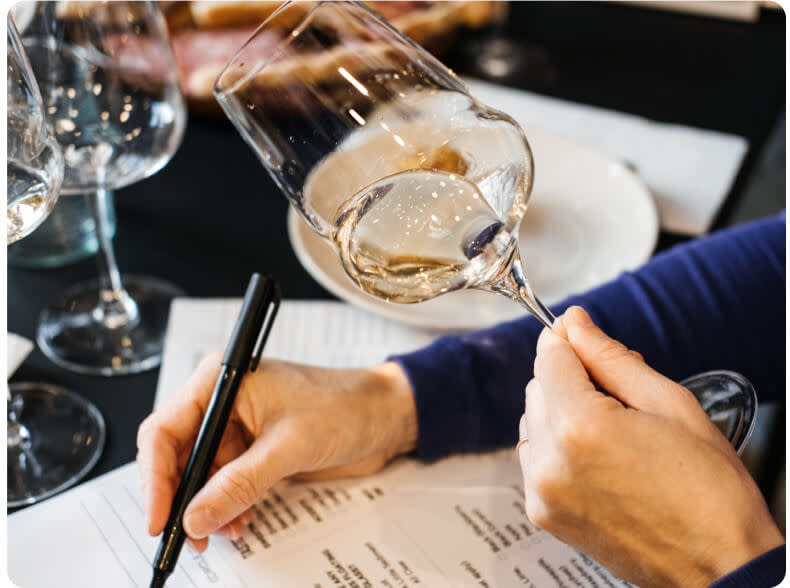
The finish is how long the taste lingers after you take a sip. Fine wines often have a longer, more satisfying finish that leaves a lasting impression. Here’s one of the easiest ways to tell whether or not a wine is top-quality, especially if it doesn’t fit your own preferences: Count how many seconds the flavors last on your palate after you’ve finished swallowing the wine. The flavors of a simpler wine will often dissipate within five seconds, whereas a fine wine’s flavors will last over ten seconds, and sometimes much longer.
Craftsmanship Signals
Look for clues about how the wine was made, which can contribute to the overall quality of a wine. Old vines are lower yielding, which typically leads to grapes with more concentrated flavors. Hand-harvesting suggests a more hands-on (literally) approach that can help avoid bruising grapes. Extended oak aging softens texture and adds complexity of flavor—and since it’s an expensive investment, it’s usually reserved for a winery’s best cuvées. Other traditional winemaking techniques, like grape sorting or punching down, also point to a higher level of care.
Origin Cues
A fine wine doesn’t blend into the many wines available at the store. Instead, it has all the unique flavors of a specific place, which are summation of the climate of its region, the soil and unique microclimate of its vineyard, and all the winemaking choices, both traditional and innovative. Look for the names of regions, subregions, vineyards and producers.
Maturity Potential
While most fine wines can be aged and develop softer textures and nuanced flavors, they don’t all need to be aged. Many can be enjoyed right away. Really, it comes down to your preferences—the fresher, brighter flavors of a youthful wine or the mellow, earthy notes of aged wines.
Examples of Fine Wine
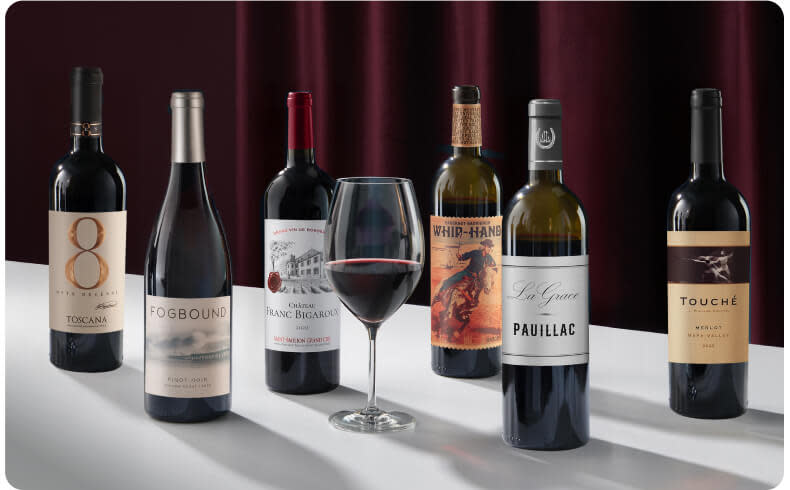
These bottles highlight how fine wine shows quality through heritage, region, craftsmanship, grape variety, and balance in the glass.
Julien Bouchard Charmes-Chambertin Grand Cru 2018
This Grand Cru Burgundy from the famed Charmes-Chambertin vineyard is a rare find, representing just a sliver of the region’s production and showcasing the pedigree of Albert Bichot, one of Burgundy’s most quality-driven houses. Sourced from the famous Gevrey-Chambertin vineyard in the Côte de Nuits, it reflects an iconic terroir known for producing some of the world’s most sought-after Pinot Noir. The 2018 vintage brings both immediate appeal and aging potential, with vibrant red fruit, floral lift and a fine balance of freshness and structure. In the glass, it’s elegant yet powerful, layering cherry and red berry flavors with subtle oak, earth and spice across a long, refined finish.

Château L'Evangile 2015
The 2015 Château L’Évangile is a benchmark Pomerol, crafted by Domaines Barons de Rothschild (Lafite) and rooted in one of the region’s most historic estates, dating back to 1741. Grown on prized clay-gravel soils and composed primarily of Merlot with Cabernet Franc, it delivers both power and precision. The vintage has earned near-unprecedented critical acclaim—including multiple 100-point scores—thanks to its depth, structure and remarkable balance. In the glass, it’s rich and layered, with dark fruit, floral nuance and fine tannins that carry through an exceptionally long, age-worthy finish.
Velvet Room Reserve
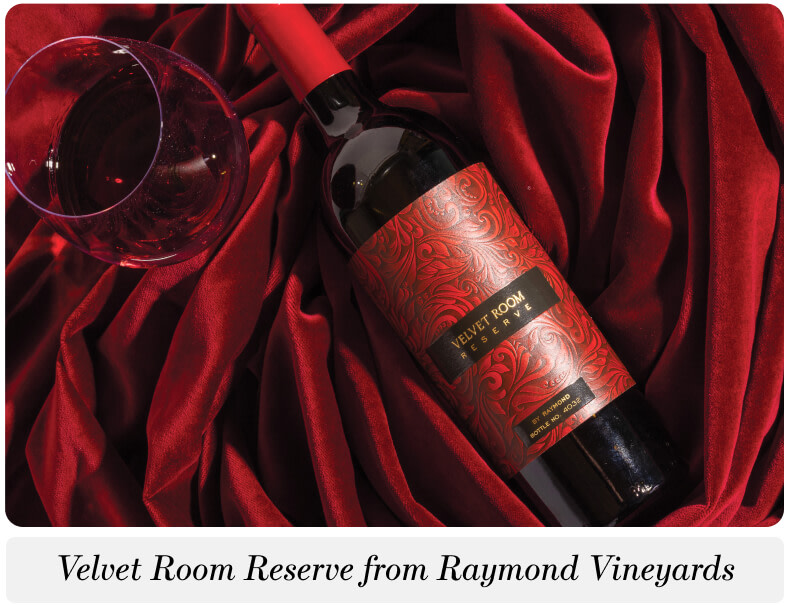
Velvet Room Reserve from Raymond Vineyards is a limited-production Napa red that showcases both luxury and craftsmanship, with just 400 cases made. Created by Jean-Charles Boisset and winemaker Stephanie Putnam, it blends Merlot and Petite Sirah from Rutherford—one of Napa’s most prized districts. Aged in fine French oak, it delivers a plush, layered profile of ripe dark fruit, licorice and sweet spice, supported by silky tannins. Rich yet polished, it’s a decadent, cellar-worthy wine that pairs effortlessly with elevated dishes like lamb, steak or duck.
Moraga Bel Air Estate White
The Moraga Estate Bel Air White Blend is one of California’s rarest wines, produced in tiny quantities from L.A.’s only estate-grown, commercially bonded winery since Prohibition. Sourced from just 1.2 acres of Sauvignon Blanc in the Santa Monica Mountains, it delivers the pedigree and precision of a top-tier Bordeaux blanc. The 2021 vintage is vibrant yet refined, layering floral aromatics with stone fruit, citrus and subtle oak. Elegant, expressive and highly limited, it’s a true collector’s wine with both immediate appeal and aging potential.
Château Sixtine Châteauneuf-du-Pape 2024
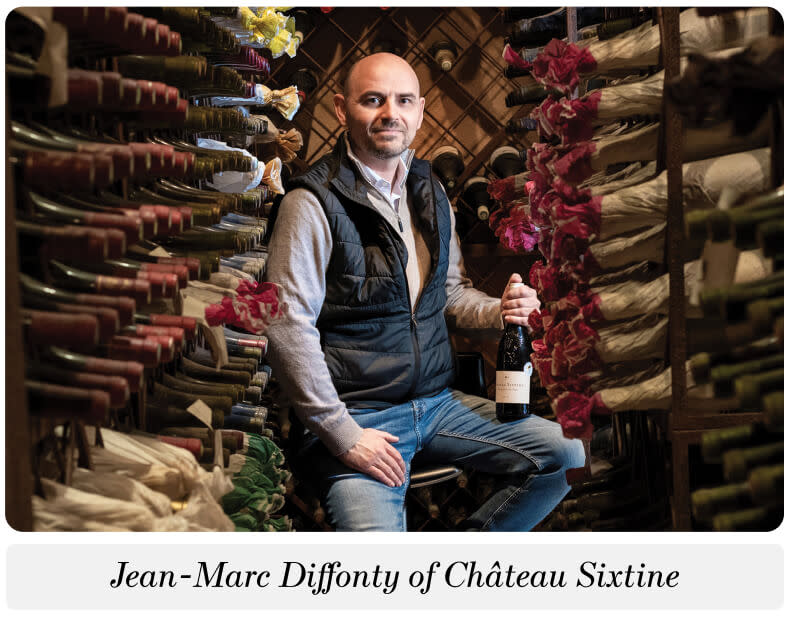
The Château Sixtine Blanc is a rare expression of white Châteauneuf-du-Pape, produced in limited quantities and rooted in the centuries-old legacy of the Diffonty family. Crafted under the guidance of Jean-Marc Diffonty, it reflects both tradition and modern precision, earning consistent critical praise. The 2024 release is full-bodied and aromatic, with layers of white peach, honeysuckle and citrus unfolding into notes of spiced pear and brioche. Rich yet lively, it offers both immediate charm and the structure to evolve, making it a standout among the region’s rare white wines.
How To Store Fine Wine
You do not need a luxury cellar to properly store fine wine. The main goal is to protect the wine from sudden changes in its environment. Fine wine is best at a stable, cool temperature and away from direct light.
Bottles sealed with natural corks should be stored on their sides to keep the cork moist and prevent oxidation. A cool, dark closet or a stable basement corner works well for most collections. And be sure to avoid places with heat and heavy vibration, like the top of your refrigerator.
Discover Just How Fine Wine Is
At its heart, fine wine is about personal enjoyment. Exceptional quality can be found in many regions and through various grape varieties and winemaking styles. You do not need to be an expert to appreciate the unique character these bottles offer.
The best way to build your personal taste is to try different bottles and see what you enjoy. If you are ready to explore, browse our curated fine wine selections and experience the difference for yourself.
Wine Subscriptions: Try Exciting Wines From Around The World
With a WSJ Wine subscription, you can discover the best wines from around the world. It’s an easy way to get your hands on wines you won’t find at your local grocery store.
The WSJ Wine Executive Wine Club offers wine lovers the opportunity to discover fine wines made in limited qualities by top talents in premier regions around the world—reserved at excellent prices and shipped directly to your door every three months.

AUTHOR
COURTNEY, PERSONAL WINE ADVISOR
One of my greatest intrigues is people and how complex, unique and exciting each of us is. I find my love of wine stems from those same characteristics, just on the other side of a corkscrew.
- WSET – Level 3 Wines Certified
Favorite Wine: Lightly Oaked Pinot Noir • South African Viognier • Portuguese Red Blends • Bright & Fresh Rosé • Australian Cabernet
courtney@wsjwine.com | (203) 523-2159