- Home
- wine blog
- types of wine
- 10 Best Red Wines to Try in 2026

The world of red wine is vast, which can make choosing a bottle equally exciting and daunting.
So, If you’re staring at a shelf and wondering where you should even start, then you’re in the right place. The right red wine for you depends on your taste, the occasion and the experience you’re seeking. The best red wines are the ones that check all three boxes.
What Makes a Red Wine One of the Best Today?
A wine doesn’t need a high price tag or fancy label to be considered one of the best. While it should go without saying that it’s what is inside the bottle that counts, there are plenty of pretenses and prejudices in the wine world. For a red wine to be a rewarding and satisfying experience, it typically has a serious concentration of attractive flavors that are in perfect balance with other elements, such as its acidity, tannins and alcohol.
Understanding Red Wine Styles
Red wines are shaped by a few key characteristics, including sweetness, body, texture (sometimes referred to as “mouthfeel”) and more.
Dry, Sweet, or Somewhere in Between
In the world of wine, "dry" simply means not sweet. A dry red wine will have little to no perceptible sugar, often showcasing more savory, earthy or spice notes alongside its fruit flavors.
Preference for sweetness is simply a style choice. Sweet red wines contain noticeable residual sugar left after fermentation, which can amplify fruit flavors and make a wine feel rounder on the palate, especially when enjoyed on its own.
Body, Texture, and Tannins
Body refers to the perceived weight of a wine in your mouth—is it light like water, or heavy like cream? While there are some light-bodied red wines (Pinot Noir or Gamay, for example), most red wines fall into medium- or full-bodied categories.
Wines with lower tannin-levels tend to feel smoother and gentler, often making them easier to enjoy on their own. However, a wine without enough tannin will be perceived more like juice than wine.
In contrast, wines with more tannins are often described as having “structure,” which frames the way the flavors are experienced. Plus, more tannic wines are typically at their best when paired with a meal; the structured, drying nature of the tannins helps match the intensity of flavorful dishes, while the proteins in the food soften the texture of the tannins.
10 Red Wines Worth Trying in 2026
These selections offer a cross-section of styles from across our red wine collection.
Lighter, Chillable and Immediately Drinkable Reds
For quite some time, wines have trended toward fresher, lighter-bodied reds with pure fruit flavors. Many of them are also organically farmed and express the unique terroir where they’re from.
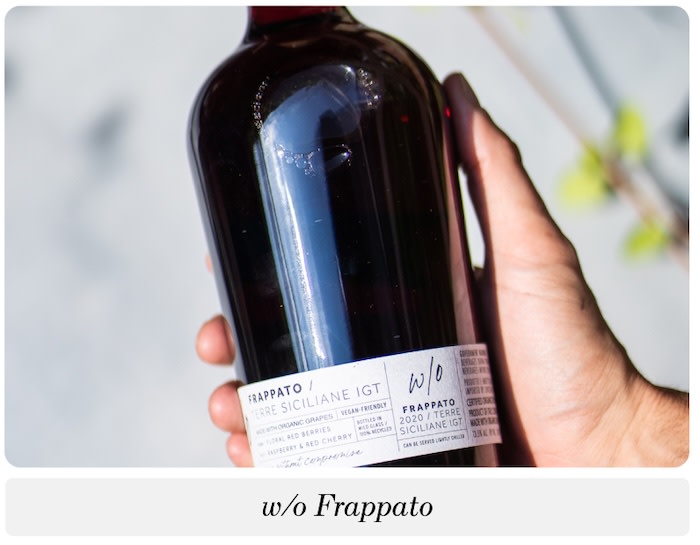
w/o Frappato 2024 (Sicily)
This Sicilian red is made with Frappato, a local grape that is similar to Pinot Noir in terms of body and texture, with a little riper fruit flavors, like red cherry and bright raspberry. It can be served chilled during the warmer months for delicious refreshment, and will pair well with everything from pizza to burgers.
Purple Owl Pinot Noir 2023 (United States)
This is everything that wine fans expect from a California Pinot Noir, offering waves of bright, perfectly ripe red-fruit notes. Discover more about the noble grape variety in our Pinot Noir Wine Guide. It is naturally suited to poultry, salmon, or mushrooms and works great anywhere a heavier red would be too much.
Structured, Oak-Aged Classics
This wine selection appeals to drinkers who enjoy a sense of structure and refinement. The oak, tannin and time in the bottle come together to create a composed, finished feel.
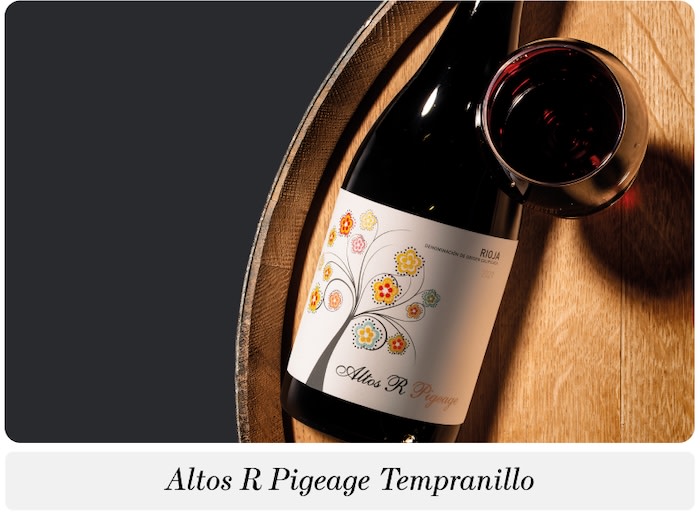
Altos R Pigeage Tempranillo 2020 (Spain)
This red features Spain’s signature Tempranillo grape and showcases a polished oak influence for which Rioja is so well-known. The palate offers concentrated dark fruit flavors, along with cedar and spice notes. Give it about an hour in a decanter if you can bear to wait and pair it with tapas-style spreads, roasted lamb or grilled vegetables.
Belle Roche Cabernet Sauvignon 2024 (France)
This French full-bodied Cabernet Sauvignon has the trademark black-fruit flavors of the famous grape variety that lovers of the red wine expect. Plus, it has a firm structure, making it a reliable choice alongside steak, lamb, burgers, or other rich main courses. Learn more in our Cabernet Sauvignon Wine Guide.
J Opi Reserve Malbec 2023 (Argentina)
This concentrated Malbec delivers richness and spice, yet it maintains enough freshness to remain highly drinkable. Malbec can feel very approachable even when full-bodied, thanks to its plush texture and generous fruit. You’ll find people sipping it at relaxed gatherings or alongside any kind of grilled or roasted foods.
For Bold Depth and Dark Fruit
These are wines that bring weight and presence to match your heartiest meals and people with a penchant for rich flavors.
The Black Stump Durif Shiraz 2024 (Australia)
This robust, full-bodied red brings the dark fruit and baking spice notes. It appeals to drinkers who seek depth and a long, plush finish. This is an ideal evening wine, perfect for pairing with bold meals.
Aluado Alicante Bouschet 2023 (Portugal)
This Portuguese red wine features the Aluado Alicante grape variety, which is typically reserved for adding depth and color to blends. It has an impressive intensity and depth, which makes it a versatile partner for rich, savory dishes, from grilled meats to flavorful vegetarian stews.
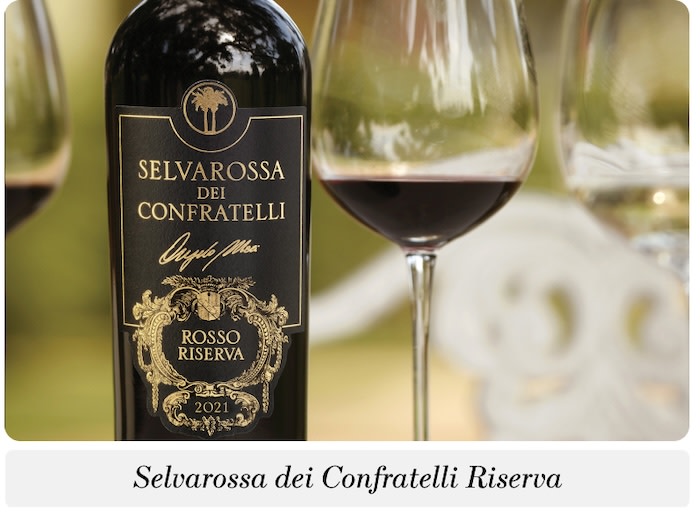
Selvarossa dei Confratelli Riserva 2021 (Italy)
This southern Italian Riserva offers warmth, depth and a smooth, mature feel. Its combination of concentration and structure makes it stand out, making for a complex wine to be savored slowly. It goes well with hearty pasta dishes, roast meat or a board of aged cheeses.
Black Saint Peter Old Vine Zinfandel 2020 (United States)
This is a classic California red with ripe fruit intensity and a signature touch of spice. The “old vine” character shows in its added depth and concentrated fruit flavors. Its bold profile makes it a strong match for equally flavorful foods. A favorite when paired with barbecue-style dishes, spiced tomato sauces, or other boldly seasoned choices.
Reds That Balance Ripe Fruit and Savory Flavors
These kind of wines offer generously ripe flavors, with rounded textures and spice-driven depth that make them especially friendly with food.
Benedictus de Vatican 2024 (France)
This southern French blend is defined by its juicy and bright fruit flavors, savory and spice notes, along with a smooth, rounded texture. Rhône-style blends are appealing due to their layered flavors and supple texture, making them exceptionally friendly at the dinner table. Often paired with charcuterie boards, roasted meats and hearty stews.
Choosing the Right Red Wine for the Moment
The best red wine is the one that fits the occasion, whether it’s based around a time of day, holiday or meal.
Easy-Drinking Reds for Everyday Enjoyment
These are the wines you can reach for without needing to plan a special meal around them. They tend to be smoother, with softer textures, like a gentle Pinot Noir or a plush Merlot. Our Merlot Wine Guide can offer more insight.
Reds That Shine with Food
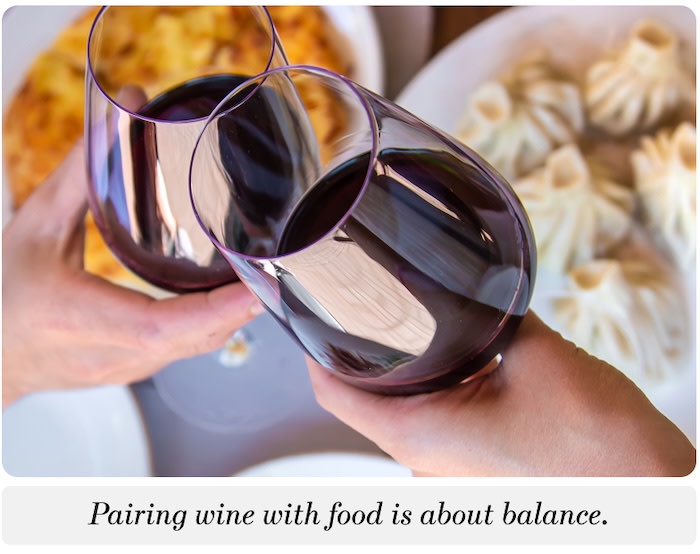
Pairing wine with food is less about strict rules and more about balance. Structured reds with noticeable tannins, like Cabernet Sauvignon or Tempranillo, often feel best at the table because food softens their texture. Boldly flavored wines like Zinfandel stand up well to rich dishes. Rule of thumb: the more tannin, the more your wine appreciates a bit of protein on the plate.
Red Wines for First-Time Drinkers
If you're new to red wine, the goal is to find something that feels comfortable and enjoyable. Many people start with wines that are fruit-forward and have a smoother texture, like a soft Merlot or a plush Malbec. It’s also perfectly fine to gravitate toward fruit-forward dry wines that feel softer and more immediately pleasant.
What Shapes Red Wine Style?
Understanding the grape variety (or varieties) and place behind each bottle can help you anticipate the wine’s style.
Famous Red Grape Varieties
While the region, terroir and winemaking choices can greatly affect a wine’s body and flavors, each grape has natural characteristics that influence its body and typical flavor notes.
- Cabernet Sauvignon: Full-bodied with notes of blackcurrant, blackberry, graphite
- Merlot: Medium- to full-bodied with notes of plum, black cherry, chocolate and herbs
- Pinot Noir: Light-bodied with notes of cherry, raspberry, mushroom and forest floor
- Syrah/Shiraz: Full-bodied with notes of blackberry, blueberry, black pepper and smoked meat
- Zinfandel/Primitivo: Medium- to full-bodied with notes of blackberry, jammy raspberry, black pepper and baking spice
- Malbec: Full-bodied with notes of plum, black cherry, cocoa and violet
- Sangiovese: Medium-bodied with notes of sour cherry, red plum, leather and dried herbs
- Tempranillo: Medium- to full-bodied with notes of strawberry, red cherry, tobacco and vanilla
- Grenache/Garnacha: Medium-bodied with notes of strawberry, raspberry, white pepper and dried herbs
- Nebbiolo: Medium-bodied with notes of cherry, cranberry, rose petal and tar
- Petite Sirah/Durif: Full-bodied with notes of blueberry, blackberry, black pepper and cocoa
- Touriga Nacional: Full-bodied with notes of blackcurrant, dark cherry, violet and spice
- Mourvèdre/Monastrell: Full-bodied with notes of blackberry, plum, game and earth
- Gamay: Light-bodied with notes of strawberry, cherry, violet and wet stone
- Cinsault: Light-bodied with notes of red currant, raspberry, floral notes and spice
Climate Considerations
While each vineyard has its own terroir (influenced by its aspect to the sun, cloud coverage, winds and more), each type of climate generally has a consistent effect on red wines.
Mediterranean
Warm, dry summers and lots of sunshine lead to riper fruit flavors, higher alcohol and fuller-bodied red wines, often with softer acidity. You’ll usually see more plush texture and savory, herbal notes from drought-stressed vines.
Tuscany, Napa Valley and France’s Rhône Valley are the most famous red wine-producing regions with a Mediterranean climate.

Maritime
Mild temperatures and ocean influence produce reds with fresher acidity, lower alcohol and more restrained ripeness. Expect brighter red-fruit flavors and more elegant, lighter-bodied styles.
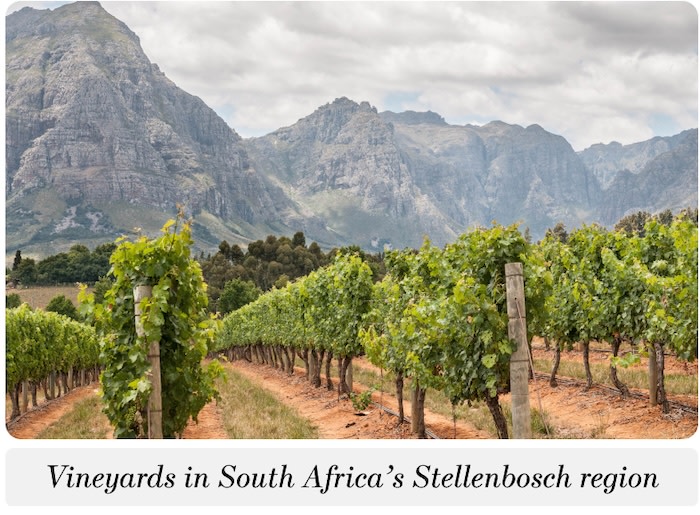
Bordeaux is the quintessential Maritime climate for red wine production. Others include Oregon’s Willamette Valley, Australia’s Margaret River and South Africa’s Stellenbosch region.
Continental
Big temperature swings between seasons (and day to night) create reds with higher acidity, firmer structure and more tension between fruit and tannin. Wines often feel more linear and age-worthy, with less overt ripeness than Mediterranean styles.
Burgundy, Rioja, Piedmont and Mendoza (in Argentina) represent the most famous red wine-producing Continental climates.
Notes Worth Remembering
The best red wine in 2026 isn’t defined by trends, prestige or expert rankings. It's simply the wine that fits your taste and complements your food. Whether the appeal lies in bold warmth, lively freshness, or comforting texture, the most rewarding choice is the one that feels right when you taste it.
FAQs
What is a good red wine to try if you’re new to red wine?
A great place to start is with a wine that has softer tannins and generous fruit, such as a California Cabernet, a Merlot or a Malbec. A lighter-bodied Pinot Noir is also a fantastic and versatile choice that isn’t overpowering.
Why do some red wines feel lighter or easier to drink than others?
This is mainly due to body and tannins. Wines with lower alcohol and less tannin, like Pinot Noir, feel lighter on the palate. Wines with high tannins, like a young Nebbiolo, can feel more intense and astringent.
What does “dry” mean when talking about red wine?
Dry simply means the wine is not sweet. During fermentation, the grape sugars are converted into alcohol, leaving no perceptible sweetness behind.
What makes a red wine sweet, and when do sweet reds make sense?
A red wine is sweet if it has noticeable residual sugar left after fermentation. Sweet red wines can be delicious on their own, as a dessert wine, or paired with spicy foods where the sweetness can cool the heat.
Does serving temperature really matter for red wine?
Yes. Serving a red wine too warm can make it taste flabby and overly alcoholic. Most reds are best served slightly below room temperature, ideally between 60–68°F. Even 15 minutes in the refrigerator can make a big difference.
How long does red wine last once it’s been opened?
Once opened, a bottle of red wine will typically last for 3-5 days if it is re-corked and stored in the refrigerator. The wine’s flavors will begin to fade as it is exposed to oxygen.

AUTHOR
KAREN, PERSONAL WINE ADVISOR
The best moments of life involve entertaining friends and family over great meals, great wine and genuine laughter. I sometimes can’t believe that I get to do this for a living!
- WSET – Level 2 Wines & Spirits Certified
Favorite Wine: Rhône Reds • Sonoma Reds • Barrel-Aged Rioja • If I can get a good, sumptuous lip smack from my glass, I am pleasantly charmed!
karen@wsjwine.com | (203) 523-2157