
- Home
- wine blog
- types of wine
- Wine for Beginners

Let’s face it. For something so simple to enjoy, wine can be awfully intimidating, can’t it? But it helps a lot just to know the basics. Ahead, we’ll discuss the 101’s of typical wine types by guiding you through some of the most popular red, white and rosé wines and the grape varieties used to produce them.
What are Some of the Most Common or Popular Types of Wine?
Generally speaking, wine can be divided into three major categories: sparkling, still and fortified. Sparkling wine is wine with bubbles (like Champagne or Prosecco) and fortified wine is wine that’s had a neutral grape spirit added to increase its alcohol level (like Sherry or Port). Still wines, meanwhile, are what you’ll encounter most in wine shops or restaurants.
Again, speaking very generally, still wines are defined primarily by the color of grapes used to produce them. White wines are usually made from white/grey/green-skinned grapes and red wines come from red/purple/black-colored ones. Rosé wine is also made with red/purple/black varieties, but in a somewhat abbreviated way to yield their pretty pink color (more on that later).
Top Types of White Wine and White Grapes
The majority of white wine is produced with white-, grey- or green-skinned grapes and will appear anywhere from nearly clear to deep gold in your glass. On the palate, whites can be light-bodied and crisp; medium-weight, rounded and plush; or full-bodied and mouthfilling. They can also range from bone dry (that is, not sweet at all) to sticky sweet and dessert-like in taste.
No single type of grape yields one specific style of white wine—that’s determined by where and how the grapes are grown, how the wine is produced and aged, and the preferences or goals of the winemaker. Keep reading to learn a little more about the most popular types of white wine out there.
Chardonnay
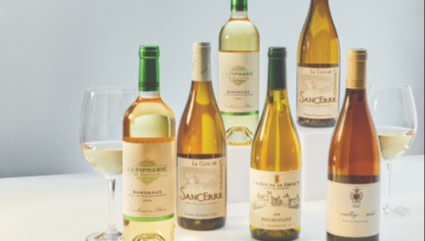
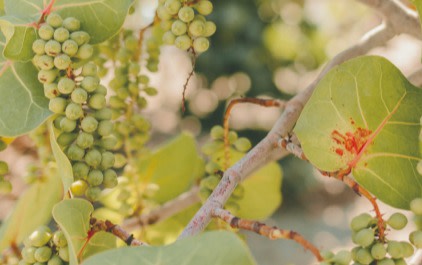
Produced from green-skinned grapes of the same name, Chardonnay is America’s most-loved white wine, and is vinified all over the world. Stylistically, Chardonnay wine will usually be dry, but otherwise runs the gamut. It can be lean and lightweight, with great minerality; medium-bodied and more fruit-driven; plush, full and heavily influenced by oak; or virtually anywhere in between. It can also express a variety of flavors, including orchard fruits like apple and pear, tropical fruits like pineapple and papaya, and lemon-fresh citrus; chalky, salty or mineral tones; or oak-driven characteristics of vanilla, butter, caramel and cinnamon. The great thing about all these possibilities is it means there’s a type of Chardonnay for everyone.
If you’d like to start with something classic, give Julien Bouchard Chablis a try. A medium-bodied wine with medium acidity, mild minerality and honey-kissed orchard fruit flavors accented by citrus, it’s a great example of typical Chardonnay from Chablis, the French region from which it hails.
Next, why not sample two Chardonnays at the opposite end of the style spectrum? For a big and rich, oaky Chardonnay wine, try Lost Isle from California. For something a bit leaner and fruitier, try Wild Child from South Africa. It’s made in a minimal interventionist style, and offers abundant yellow apple, white peach and orange blossom flavors.

Pinot Grigio
A go-to for many wine lovers and a great entry-level choice for those just getting into wine, Pinot Grigio is a light and crisp, easy-drinking white made from greyish-pink grapes. Produced worldwide, it has myriad aliases depending where it’s grown (Pinot Gris, probably being its most recognized), but will almost always deliver flavors and aromas of citrus fruits such as lemon and lime, sometimes complemented by notes of apple or pear, plus white peach, white flowers (like honeysuckle) and minerals. Because it’s so approachable, Pinot Grigio is very versatile on the table, but matches especially well with lighter proteins like chicken and shrimp, vegetables cooked any which way, and snacks like bread and butter, creamy cheeses and salty olives.
When choosing a Pinot Grigio, you really can’t go wrong with something Italian. From Italy’s Friuli-Venezia Giulia region, which is known for its Pinot Grigio production, Vina Baccana is a customer favorite with perfumed, peachy nuances. Farinelli Pinot Grigio, from farther south in Abruzzo, meanwhile, showcases more apple and pear characteristics.
Riesling
Made from white-green-colored grapes of the same name, Riesling is one of the world’s most fascinating types of white wine. Because its late-ripening grapes have a high level of frost tolerance and can retain acidity well over the course of a growing season, Riesling can be produced all over the world and crafted in a dizzying amount of styles. It can be extremely dry and mineral-driven, with racy, electric-like acidity; light and crisp with balanced fruit; medium weight and tropical-sweet; lusciously sweet and viscous; and more. When it comes to Riesling wine, the only thing that is for certain is that it will be medium to high in acid and extremely food friendly (pro tip: try it with sushi). Some common flavors you may find include citrus fruits like lemon, grapefruit and lime; stone fruits like white peach and nectarine; and tropical fruits like pineapple; plus sweet qualities like honey and candied ginger; and other flavors like beeswax, petrol and flinty minerals.
To get a taste of some classic versions, you should definitely seek out Riesling from its native Germany and try some Riesling from New York’s Finger Lakes region. But you should also give Australia’s RedHeads Blue Belle Riesling a sip. When grown and vinified Down Under, Riesling wine can be dry and balanced, perfumed and, overall, quite pleasant—a great introduction to the variety. This particular bottle is charismatic and fruit-forward, with a core of minerality.
Sauvignon Blanc
Sauvignon Blanc is a crisp and dry, light- to medium-bodied white wine made from green-skinned grapes of the same name. Though native to France, it’s often associated with New Zealand (where winemakers have had great success with the grape) and is produced worldwide. Regardless of where it’s from, Sauvignon Blanc wine will always be bright and high in acid, and it will usually fall under one of two flavor umbrellas: mineral-driven and citrus-inflected, with possible notes of gooseberry, orchard fruits and elderflower; or punchy and tropical, with flavors like grapefruit, guava, passion fruit and mango. Sauvignon Blanc wine can also express grassy, herbaceous or bell pepper characteristics, because of its grapes’ naturally occurring pyrazine content.
If you’re interested in this type of white wine, you’ll definitely want to try Abbesse, from France’s Loire Valley. It offers approachable peach and citrus flavors with just the slightest grassy quality. You should also try The Jumper, from New Zealand, which is exhilaratingly fresh and tropical on the palate. California’s Silver Puffs, meanwhile, would be a great stylistic mid-point between the two styles.
Top Types of Red Wine and Red Grapes
Red wine is made with grapes that have red, purple or black-ish colored skins. In fact, it’s the pigments in the grapes’ skins that give color to the finished wines, which can range from pale ruby to glossy purple to deep garnet. They can also vary widely in style, from light-bodied, juicy and quaffable; to medium-bodied and lush; to dense, concentrated and full; and basically anywhere in the middle. While many have red, purple and black fruit flavors, just as many offer a savory, earthy and mineral-driven character.
As with white wine, no one red grape creates only one style of wine—that’s still determined by where and how the fruit was grown, how the wine was made and aged, and any preferences of the winemaker. Read on to learn a little more about the most common types of red wine out there.
Cabernet Sauvignon
Considered the “king of red wines,” Cabernet Sauvignon is a medium- to full-bodied red wine made from small, deep purple-red colored grapes of the same name. While grown and vinified all over the world, it’s most often associated with California, France’s Bordeaux region and the Coonawarra area of Australia, and can vary greatly in flavor and style, depending where it’s produced. Some common flavors include black currant or cassis, blackberry and black plum, as well as mint, eucalyptus, leather and soil. Cab can also have oak-driven characteristics of vanilla, espresso, cedar and toasty spice. Though most versions are “dry” on the palate (with little or no residual sugar in the wine), some may seem sweet due to their ripe fruit characteristics. Others may seem brawny due to their high tannins and high acid (two qualities that may sound intimidating, but can help a wine to age well for decades).
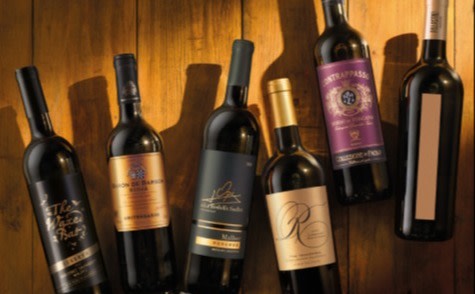
If you’re interested in Cab, be sure to try one from Napa, California (America’s most reputable Cab area). William Knuttel’s Touché Cabernet Sauvignon Reserve, with rich blackberry flavors nuanced by black pepper, would be an excellent choice. You could also treat yourself to a classic French version, like L'Épiphanie de Margaux, made by a prestigious Grand Cru estate. More structural and superbly balanced, it offers violet-laced aromas that lead into a rich, cassis palate.
Malbec
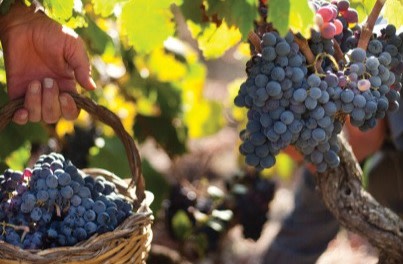
A full-bodied, fruit-forward red wine made from dark-purple grapes of the same name, Malbec was produced originally in France, but is often more associated with Argentina, today. Dark purple-red in the glass, it usually delivers prominent, mouth-coating flavors of ripe blackberry and plum, and can also offer notes of chocolate, graphite, sweet tobacco and hints of violet. Thanks to its medium- to high-tannins, medium- to high-acid and medium- to high-alcohol, Malbec is an ideal candidate for oak maturation, which can add notes of vanilla and spice. Together, these flavors have been known to make Malbec seem sweet, even if it is technically dry. The wines are also known to be a perfect partner for robustly flavored or spiced dishes, and hearty meats from steak and lamb shoulder to barbecue and chorizo.
For a more traditional take on Malbec, try Le Malbec d’Hervé, from France. A leaner expression, it offers ripe black-fruit flavors supported by subtle herbaceous notes. Then try a couple from Argentina, to compare. J Opi Malbec is one of our most popular red wines, and shows elegant vanilla and gentle smoke from time in oak. Schroeder Estate’s Patagonian Malbec would be another great choice, with rich berry fruit flavors, lifted by spice and mocha.
Merlot
Merlot is a medium- to full-bodied red wine produced from dark blueish-purple colored grapes of the same name. Historically one of the world’s most popular and important types of red wine (especially in Bordeaux, France), its American reputation remains (somewhat unbelievably) diminished by the 2004 film Sideways, but it’s really worth a try. Known for its supple tannins, smooth texture and moderate acidity, Merlot is easy drinking and extremely food friendly. Flavors vary, but many versions express vibrant fruit tones of black cherry, raspberry and plum, plus cocoa, as well as oak-driven notes of clove, vanilla and cedar. And, similar to Cab Sauvignon, while most are technically dry, some Merlot may seem sweeter due to its prominent fruit characteristics.
Intrigued by this type of red wine? From Lodi, California, Cooper Point is our in-house American wine expert’s favorite Merlot and is definitely worth a try. It’s velvet-soft on the palate, with rich and approachable red fruit flavors that will appeal to new wine drinkers and longtime wine lovers, alike. For contrast, you should also sample ROC Cuvée, from Bordeaux. Made from sustainably grown grapes, it’s crafted in a fresh, acid-driven style.

Pinot Noir
One of the world’s most popular types of wine, Pinot Noir is a versatile dry red made from notoriously difficult to grow black-skinned grapes of the same name. The best Pinot Noirs are often thought to come from Burgundy, France (where the grape originated). However, those from Oregon’s Willamette Valley, Baden in Germany and New Zealand's Central Otago region also hold a stellar reputation. Typically light- to medium-bodied on the palate and translucent- to deep-ruby colored in the glass, Pinot can offer a world of fruity and earthy flavors, depending how and—crucially—where it’s made. Some common characteristics include cherry, strawberry and raspberry; violets, sous bois (forest floor) and mushroom; plus vanilla and baking spice (if aged in newer oak barrels).
For a French Pinot that doesn’t break the bank, try Le Champ des Etoiles. Medium-bodied and aromatic, it delivers vibrant red raspberry and cherry flavors and has an elegant, refreshing finish. For one that would stretch the wallet a bit, try Julien Bouchard Bourgogne Côte d’Or Pinot Noir. With impressively pure red and black fruit flavors underscored by an earthy, floral tone, it’s delicious now, but suitable for aging. You could also try an American example. Purple Owl Pinot is one of our best sellers from California, and is extra juicy, with a cola-like character.
Top Types of Rosé to Know
Like red wine, rosé wine is made with grapes that range from red to black in color, and these skins are what provide a nice rosy shade. In most cases, rosé wines are also produced the same way as reds, however, the process is cut short to ensure they end up pink. During winemaking, the grapes are crushed to break the skins and release their juice, and everything ferments together. That’s when color—along with tannin—is extracted. But for rosé, the liquid is separated from the skins before too much pigment can be acquired. (The longer the grape skins stay with the juice, the darker the finished wine will be.)
This means any grape used to produce red wine can also create a rosé, and these pink wines can be made worldwide in a variety of styles. Rosé wines can be dry or sweet and can vary in color from just barely pink or a delicate ballet slipper hue, to a deep salmon shade or a vibrant Barbie tone, and everywhere in between. Most are light and crisp, but rosé can also be more mouthfilling and juicy, akin to a light-bodied red. And just like for red and white wines, the grapes used to produce it are only part of the equation. Where and how the fruit was grown, how the wine was made and aged, and the preferences of the winemaker all determine the final product.
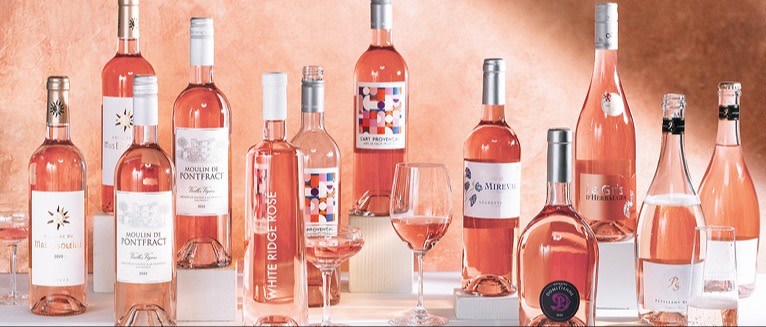
Provençal pinks have earned the lion’s share of modern popularity, and their character is now echoed in rosés made globally (even as far away as New Zealand). This type of rosé is dry, lightweight and refreshing, with delicate fruit flavors and crisp minerality, and can be made from a blend of grapes or a single variety. If the wine actually comes from Provence, France, the Grenache, Cinsault and Mourvèdre grapes—or a combo involving the three—are most common.
Rosato is another important type of rosé wine to know. Rosato is the Italian word for rosé, and myriad versions are produced across the Italian peninsula from a diversity of grapes (like Montepulciano and Barbera). While rosato can be light and crisp, many are a bit more juicy and even a little tannic (in a good way). The same can be said of rosado, the Spanish version of rosé. Made across the country from a mix of grapes (like Tempranillo or Garnacha), these can offer delicate flavors and aromas and be lightly colored, but are more often spicy, robust and compellingly fruity.
Are These the Only Types of Wine to Know?
No way! There’s a whole world of wine and wine grapes out there to discover—these are just a handful of the most popular wine types and styles.
WINES MENTIONED IN THIS ARTICLE

AUTHOR
KELBY, PERSONAL WINE ADVISOR
I found myself in the world of wine a decade ago. I’ve travelled, I’ve tasted, I’ve met some of my wine “rockstars!” I pride myself on being a resource for those seeking their own wine journey.
- WSET – Level 2 Wines & Spirits Certified
Favorite Wine: Beefy Cabs • Aged Malbec • Southern Italian Blends • Portuguese Reds • Châteauneuf- du-Pape (my favorite!)
kelby@wsjwine.com | (203) 523-2159