
Filter by
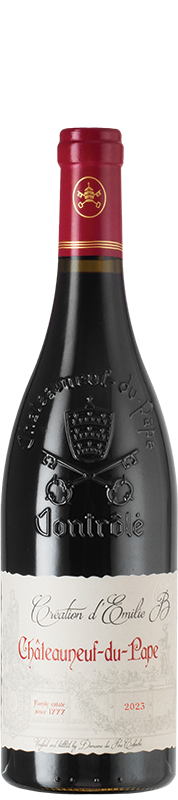 $54.99 per bottle12 bottles - $659.88$593.88 Advantage Member Price
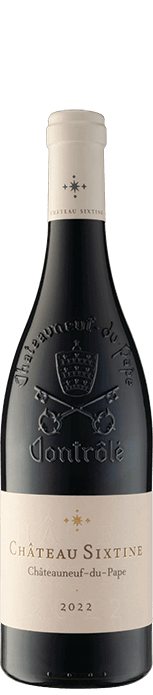 $69.99 per bottle12 bottles - $839.88$755.88 Advantage Member Price
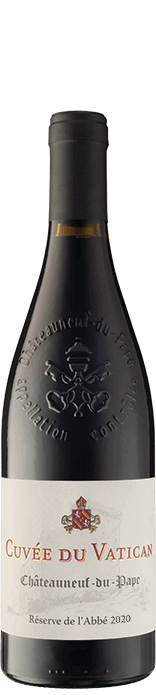 Top-Estate Châteauneuf Exclusive
 FranceGrenache-based blend$44.99 per bottle12 bottles - $539.88$485.88 Advantage Member Price
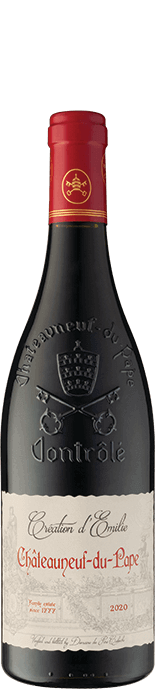 $54.99 per bottle12 bottles - $659.88
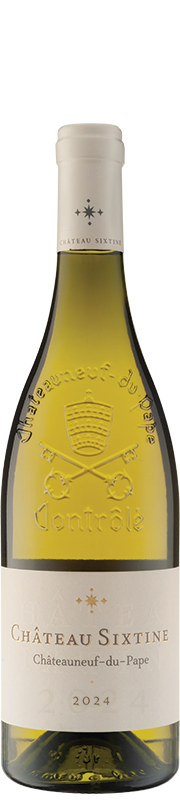 $69.99 per bottle12 bottles - $839.88$755.88 Advantage Member Price
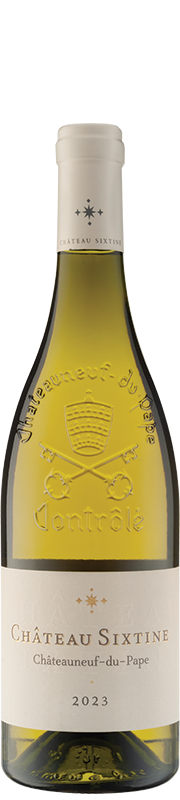 $69.99 per bottle12 bottles - $839.88$755.88 Advantage Member Price
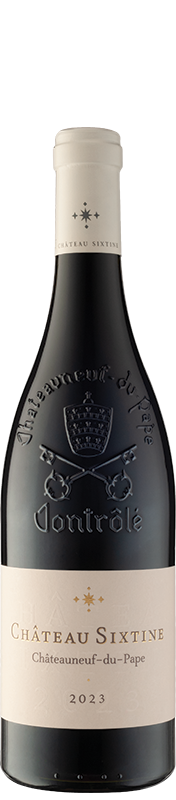 $69.99 per bottle12 bottles - $839.88$755.88 Advantage Member Price
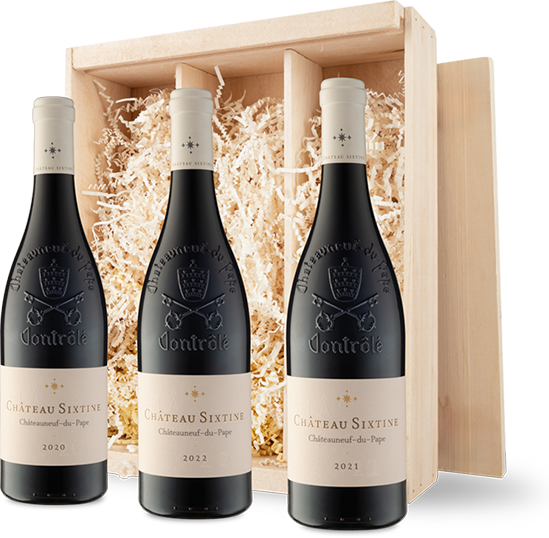 Top-Estate, 90+ Point Châteauneuf TrioFranceGrenache-based blend3 bottles - $179.99$169.99 Advantage Member Price
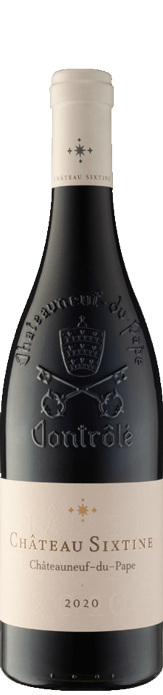 Top Estate’s 93-Point Châteauneuf-du-PapeFranceGrenache-based blend$69.99 per bottle12 bottles - $839.88$755.88 Advantage Member Price
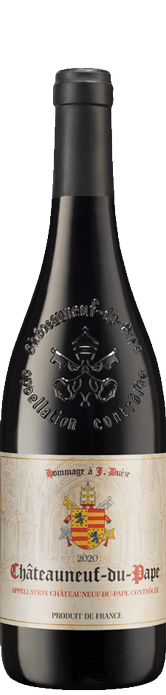 $42.99 per bottle12 bottles - $515.88$464.28 Advantage Member Price
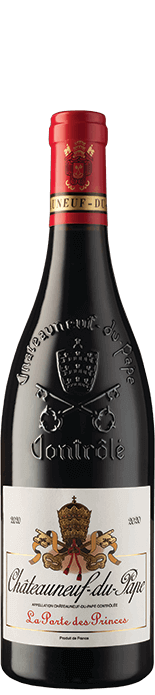 Gold-Medal Châteauneuf-du-PapeFranceGrenache-based blend$39.99 per bottle12 bottles - $479.88$431.88 Advantage Member Price
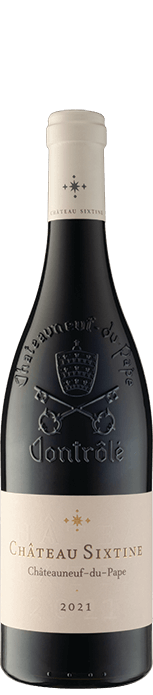 Top-Estate, 93-Point Châteauneuf-du-PapeFranceGrenache-based blend$69.99 per bottle12 bottles - $839.88$755.88 Advantage Member Price
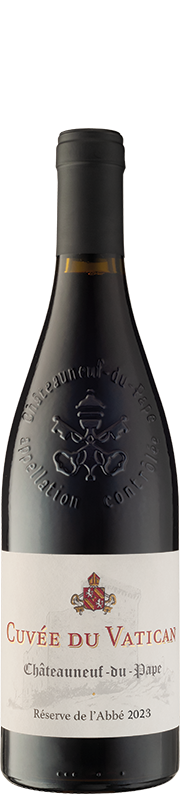 Top-Estate Châteauneuf ExclusiveFranceGrenache-based blend$49.99 per bottle12 bottles - $599.88$539.88 Advantage Member Price
- Showing (1 to 13 of 13)
1
Page 1 of 1
Frequently Asked Questions
What Is Châteauneuf-du-Pape Wine?
Châteauneuf-du-Pape wine is wine made in the Châteauneuf-du-Pape region of France’s Rhône Valley. Both red and white styles are produced, however, the former are more readily available. Up to 13 different grape varieties can be used to make Châteauneuf-du-Pape wines. Grenache is most used for red versions, often blended with varying amounts of Syrah and Mourvèdre. These are known to be powerful and age-worthy, with savory notes of ripe fruit and spice. White versions are primarily some blend of Grenache Blanc, Roussanne and Clairette, and are known to be rich and opulent, with floral and mineral flavors of pear and yellow peach.
Where Is the Châteauneuf-du-Pape Wine Region Located and What Makes It Special?
Châteauneuf-du-Pape is located in the southern Rhône Valley in southeastern France, near Avignon. Thanks to the high caliber of its wines, it’s one of the Rhône’s most famous appellations and you could say its terroir is what makes the area so special. Soils are pebbly and sandy, strewn with rounded galets roulés stones that hold heat, aiding in grape ripening. Despite the Mediterranean climate, it’s also the driest region in the Southern Rhône, benefitting from over 2,000 hours of sun annually and a drying Mistral wind that helps keep vines healthy.
What Are the Typical Tasting Notes of Châteauneuf-du-Pape Wines?
Red Châteauneuf-du-Pape wines are typically full-bodied and complex, with bold red-fruit flavors of raspberry, plum and strawberry, alongside savory notes of leather, game and garrigue. White Châteauneuf-du-Pape wines are usually lush and weighty on the palate, with floral- and mineral-accented flavors of pear, peach and tropical fruits.
What Foods Pair Best with Châteauneuf-du-Pape Wine?
Red Châteauneuf-du-Pape’s bold, spicy and savory red-fruited profile pairs best with rich, robust dishes. Ideal pairings include roasted lamb and beef, game meats like venison and hearty mushroom-based dishes. White Châteauneuf-du-Pape also pairs well with rich foods, but is best with creamy or buttery dishes. Ideal pairings include scallops, lobster, roasted root vegetables, poultry dishes (especially those in cream sauces) and creamy cheeses like Brie or Epoisses.
Are Châteauneuf-du-Pape Wines Suitable for Aging?
Yes. Both red and white wines from Châteauneuf-du-Pape are ageworthy. As a rule, wines with more structure, higher acidity and more concentration tend to age best, while simpler styles are often best enjoyed on the younger side.
Is Châteauneuf-du-Pape wine sweet or dry?
Châteauneuf-du-Pape wine is dry.
How to serve Châteauneuf-du-Pape wine?
It’s best to serve red Châteauneuf-du-Pape wines slightly cooler than room temperature, around 60–65°F, in large Bordeaux-style glasses, if you have them. To help soften the tannins and open up the wine’s full spectrum of aromas and flavors, decant the wine for 30 minutes to an hour before serving. White Châteauneuf-du-Pape wines should be served cool, but not too cold, around 50–55°F, in Burgundy-style glasses, if you have them.
How long can Châteauneuf-du-Pape age?
It depends on the producer and vintage, but many red Châteauneuf-du-Pape wines age beautifully for 10 to 20 years. Top bottles can age even longer. White Châteauneuf-du-Pape wines can generally be aged for 3 to 10 years, with better vintages holding well for 20 or more years.