
- Home
- wine blog
- types of wine
- 10 Best Merlot Wines for 2026

Merlot is one of those red wines everyone’s heard of, but it doesn’t always get the love it deserves. A good Merlot gives you ripe fruit, plush feel, and just enough structure to keep things interesting.
Merlot is one of the most recognizable red wines, but thanks to a certain movie, its reputation went sideways in the early 2000s. The grape variety is featured in some of the world’s most sought-after blends, crafted on the Right Bank of Bordeaux, and makes for a plush, generously ripe red when bottled entirely on its own, as well.
The following guide will give you a deeper dive on the noble grape variety and show off its impressive range. From rich and ripe to elegant and nuanced, there’s a delicious Merlot to please all kinds of palates.
What Makes a Good Merlot
Merlot is a grape variety that’s all about moderation, except for when it comes to flavor. Unlike many of the most famous red grape varieties, Merlot naturally has moderate acidity, moderate tannins and moderate alcohol levels. This, along with its signature fruit flavors of plum, cherry and raspberry, makes it such a smooth, easy-drinking red wine and a wonderful blending partner, softening any hard edges that high-acidity Cabernet or Sangiovese can have.
A good Merlot showcases this velvety, rounded texture with gentle tannins and accents the charming fruit flavors with notes of cocoa, herb, mint and mocha, plus notes from oak aging like vanilla and cedar.
Where the Merlot is grown shapes the style of wine. Warmer regions give jammy, pure-fruit, and a softer feel, while cooler spots lead to a fresher and more savory profile. That’s why knowing where the wine is from can really help you pick the right Merlot for you.
Finding Your Merlot Style
To really understand Merlot, it helps to see how different regions and winemakers put their own twist on it. Once you know your favorite style, finding the right bottle is a breeze.
Plush and Easygoing vs. More Structured Merlot
If you’re after an easy glass at the end of the day, go for a softer, fruitier Merlot. For a formal dinner, look for a structured Merlot, often with some oak aging, for extra depth, subtle spice, and a steadier feel through the meal.
Classic Bordeaux Style Merlot (Old World) Vs. International Merlot (New World)
Merlot originates in France’s Bordeaux region (considered one of the ‘Old World’ regions in Europe with ancient winemaking traditions) and has long been the go-to partner for their famous blends, with Cabernet Sauvignon and Cabernet Franc most often. While rarely bottled 100% Merlot in Bordeaux, many on the ‘Right Bank’ (of the Dordogne River which divides the region) are primarily Merlot blends. On these clay and limestone-rich soils, Merlot unlocks incredible acidity and finesse. Plus, the cooler climate in Bordeaux often leads to a more savory profile, which rounds out Merlot’s plummy fruit flavors with earthy notes, such as graphite and tobacco.
‘New World’ styles, like those from California, Washington State and Chile, typically have much riper fruit flavors, a plushness and fuller body. What they gain in flavor and texture, they often lose in freshness and texture, due to the warmer climate of many of these regions, as well as a tradition of crafting a more opulent, fruit-rich style.
Many of the most famous Super Tuscan reds split the difference between Bordeaux and New World styles. While they come from Italy’s much warmer Tuscan region, many are grown with cooling conditions on the coast and marry ripe, darker fruit flavors with the acidity and structure of Bordeaux. And unlike Bordeaux, some of them are 100% Merlot, most famously Masseto.

What Sets These Merlot Wines Apart
We’ve included everything from easy-going bottles to serious fine wines, and all of them delight in their own way.
The 10 Best Merlot Wines to Try in 2026
These selections reflect a broad range of Merlot styles in our current collection, from styles with fruit-forward charm to bottles with more savory nuance and length.
For Smooth, Fruit-First Merlot
Mirlo Merlot 2024 (Spain)
This Spanish discovery proved Merlot doesn’t have to come from Bordeaux or California to be delicious. Hailing from the historic Cariñena region (just southeast of Rioja), it’s supple, silky and easy drinking.
Pairing ideas: Burgers, roast chicken, simple dinners or sipping on its own.
Hacienda de Lluna Merlot 2024 (Spain)
Here’s another delightful find from Spain, this time from the sunny Valencia region in the south. It’s packed with juicy cherry and plum flavors, delivered with a delightfully smooth texture.
Pairing ideas: Weeknight meals, grilled chicken or sipping on its own.

For California Merlot with More Depth
Cooper Point Merlot 2023 (United States)
California’s Lodi region is home to this marvelous Merlot. Look forward to ripe plum and strawberry, layered with a dash of baking spice. It’s lush and easy to drink, but still has enough backbone to work with dinner.
Pairing ideas: Duck, mushroom dishes, relaxed hosting or a richer everyday red.
William Knuttel “Touché” Merlot 2023 (United States)
We also added this more serious Napa Valley expression to the lineup. It’s barrel-aged, which gives it serious structure, with a fresh elegance that sets its plush texture apart. The palate is concentrated and polished with notes of black cherry, spiced plum and cedar.
Pairing ideas: Filet mignon, roasted chicken and fine cuisine.
For Modern French Merlot with Freshness and Lift
ROC Cuvée 2022 (Bordeaux)
This fresher, modern take on a Bordeaux Merlot was made with hand-picked grapes from a sustainably farmed vineyard. It has pure, juicy notes of raspberry, cranberry, strawberry and cherry.
Pairing ideas: Pork, vegetarian mains or Mediterranean food.
Domaine de Longuet Merlot 2024 (France)
This satiny-smooth Merlot is packed with southern French charm. It hails from a stunning 18th-century estate with vineyards along the Canal du Midi and offers layers of ripe berries, cherry and plum flavors.
Pairing ideas: Roast duck, mushroom risotto and burgers.
For Bordeaux with More Structure and Length
Château de Colombe 2024 (Bordeaux)
This red wine is from Bordeaux's exciting Castillon region (next to Saint-Émilion on the Right Bank) and features Merlot, along with Cabernet Sauvignon and Cabernet Franc. Look forward to ripe, dark plum aromas that mingle with hints of licorice and spicy oak.
Pairing ideas: Pot roast, steak or dinners with robust flavors.
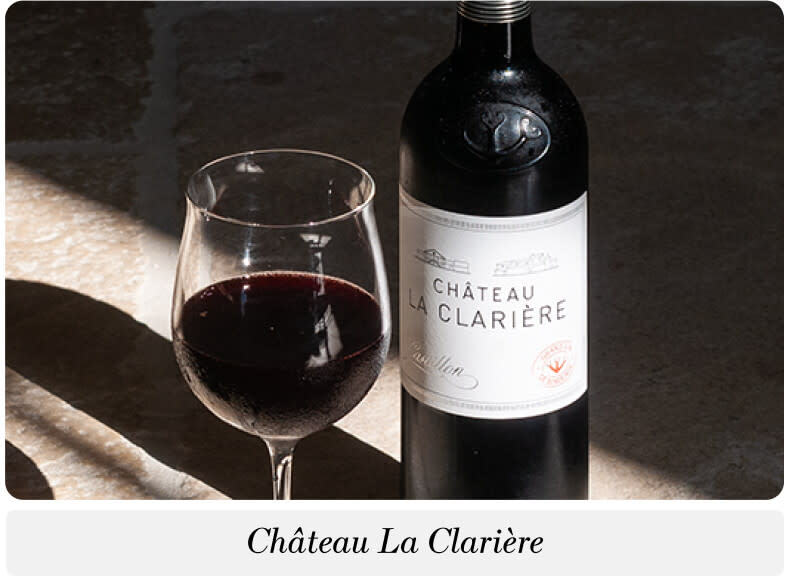
Château La Clarière 2021 (Bordeaux)
Also from the Castillon region, this fine red wine is a perennial award winner and high achiever from Château La Clarière, the leading estate in the region. The vineyards are located just across a small dirt path from a famous Saint-Émilion Grand Cru Classé vineyard. This blend of Merlot, Cabernet Franc and Cabernet Sauvignon brings you intensely concentrated waves of fresh plum, cranberry and blackberry accented by notes of smoky and spice.
Pairing ideas: Stews, steak, roast chicken and hard cheeses.
Classic Expressions from Saint-Émilion
Treat yourself to a taste of Bordeaux luxury with this barrel-aged Grand Cru from the famed village of Saint-Émilion and the historic 2015 vintage. Boasting a gold medal and a 90-point score, it offers elegant black-fruit flavors.
L'Épiphanie de Saint-Émilion Grand Cru 2019 (Bordeaux)
Get a taste of a high-quality Grand Cru from Saint-Émilion, the most heralded region for Merlot in the world. This one comes top secret from one of the region’s most famous estates and offers exquisite black fruit notes with subtle florals and a touch of cedar from oak aging. The palate is poised and finely structured, with elegant tannins that carry the wine toward a vibrant finish.
Pairing ideas: Celebratory dinners, roast meats and holidays.
Château Moine Vieux Saint-Émilion Grand Cru 2015
Discover the fine luxury of a perfectly aged Saint-Émilion from a great vintage in Bordeaux. This Grand Cru has developed over 11 years, reaching an even softer, smoother texture and mellow, melded flavors of plum, black currant and spice.
Pairing ideas: Roast lamb, duck confit and aged Comté.

What to Serve with Merlot
Merlot works beautifully with roasted meats, burgers, duck and savory pork dishes, where the wine’s charming fruit flavors and soft tannins meld together to support the richness without dominating the plate.
Mushroom risotto, roasted root vegetables, earthy lentils and aged hard cheeses also work great with Merlot. Just watch out for very spicy dishes or lots of heat, which can throw off the wine’s balance, making it feel hotter and less defined. For more ideas and inspiration, check out our Merlot Wine Guide.
Wines to Explore If You Like Merlot
If you already know you love Merlot, there are a few similar wines worth exploring. Cabernet Franc offers a rivaling freshness and savory character, but with a hint of herbal, bell-pepper notes. A softer style of Cabernet Sauvignon and gorgeous Malbec also deliver rounded structure and generous black-fruit depth.
Pinot Noir isn’t the closest match in structure, but it’s a great pick if you like lighter texture and brighter acidity. These alternatives can help you find new favorites while broadening your palate.
When Merlot Is (and Isn’t) the Right Choice
People often wonder if Merlot is a dry wine or a sweet one. Merlot is almost always dry, even when it tastes generously ripe.
Merlot really shines with a meal that’s maybe not as robustly flavored, where a red like Cabernet is a better match. It’s also not the best match for very spicy foods, delicate white fish or a warm day when you want something fresh, bright and light-bodied.
The Right Merlot for the Occasion
Merlot appeals to both beginners and experienced drinkers. The best Merlot really depends on what you’re after. Some people love the soft, juicy, ready-to-go styles. Others want the complexity, earthiness and oak nuance you get from a classic Bordeaux blend.
That’s the beauty of Merlot. Once you get to know the different types, picking the right bottle becomes easy.
WSJ Wine Recommends
FAQs
What is a Merlot wine?
Merlot is a dark-skinned grape used both on its own and in blends, particularly in Bordeaux. It is known for its soft, elegant texture and approachable style.
Is Merlot a red wine?
Yes, it is one of the most popular and widely planted red wine grapes worldwide.
What type of wine is Merlot?
Most examples sit in the medium- to full-bodied range, with smooth tannins, moderate acidity and a generous, composed fruit profile.
Is Merlot a dry wine?
Almost always. While it features highly expressive, ripe fruit flavors, it is fermented dry and usually contains little to no residual sugar.
Is Merlot a sweet wine?
No. It is a dry wine. The impression of sweetness usually comes from flavors such as black cherry or plum, not from residual sugar.
What does Merlot wine taste like?
Typical tasting notes include black cherry, plum, blackberry, often joined by cocoa, cedar, or vanilla when oak aging is involved.
Why do some Merlots taste softer than others?
Warmer climates produce riper grapes with softer tannins, leading to a riper fruit notes and fuller, plush mouthfeel. Cooler climates or traditional Bordeaux winemaking often yield wines with firmer structure and more savory flavors.
What is a good Merlot wine to start with?
A fruit-forward style from California or a classic Bordeaux is an excellent starting point if you are new to the grape variety.
Are expensive Merlot wines always better?
Not necessarily. While high-end bottles from regions like Saint-Émilion can offer greater complexity and aging potential, there are also affordable bottles from around the world that can be just as delicious.
What wines are similar to Merlot?
Malbec, Cabernet Franc, and softer styles of Cabernet Sauvignon share a similar weight and dark-fruit profile, making them natural alternatives.
What foods pair best with Merlot?
There are almost too many great pairings to count, but roasted poultry, pork, grilled burgers and earthy dishes like mushroom risotto or lentil stew are all fantastic with Merlot.
Does Merlot need to be decanted every time?
Not always. Younger, fruit-rich Merlot can be poured straight away, while older or Merlot blends from Bordeaux often benefit from 30 to 60 minutes of decanting.

AUTHOR
CANDICE, PERSONAL WINE ADVISOR
I have over 10 years of experience in the wine and beverage industry, and have tasted some of the rarest and most sought-after wines. I'm your ideal oenophile today—pour me a Cru Beaujolais.
- WSET – Level 2 Wines & Spirits Certified
- CMS – Level 1 Sommelier Certificate
Favorite Wine: Barolo • Natural Wine • Austria/Germany • Island Wines
candice@wsjwine.com | (203) 523-2164