
- Home
- wine blog
- types of wine
- Rosé Wine Guide: Discover Flavors, Pairings and Best Picks

Rosé has skyrocketed in popularity in recent years, rising from a niche wine style to a worldwide phenomenon. What makes it so good? For one, all good rosés display a wonderful freshness. Some are dry, some are sweet; Some are sparkling, some are still; Some are pale, some are deep in color; Some have delicate red berry notes, some express lush, riper fruit flavors. All those variations come down to the grape varieties used, the region that produces the wine and the many choices that winemakers make along the way.
Rosé Wine Flavor Profile
As we said before, rosé wines don’t have a singular flavor profile. In general terms, rosé is more like a white wine than red wine in terms of their high acidity, lighter body and more delicate, clean fruit flavors (though many light-bodied, refreshing reds share similar traits, as well). Because the grape juice spends a short time in contact with its dark grape skins, there is less color, flavor and tannin imparted to the wine than a medium-to-full bodied red wine.
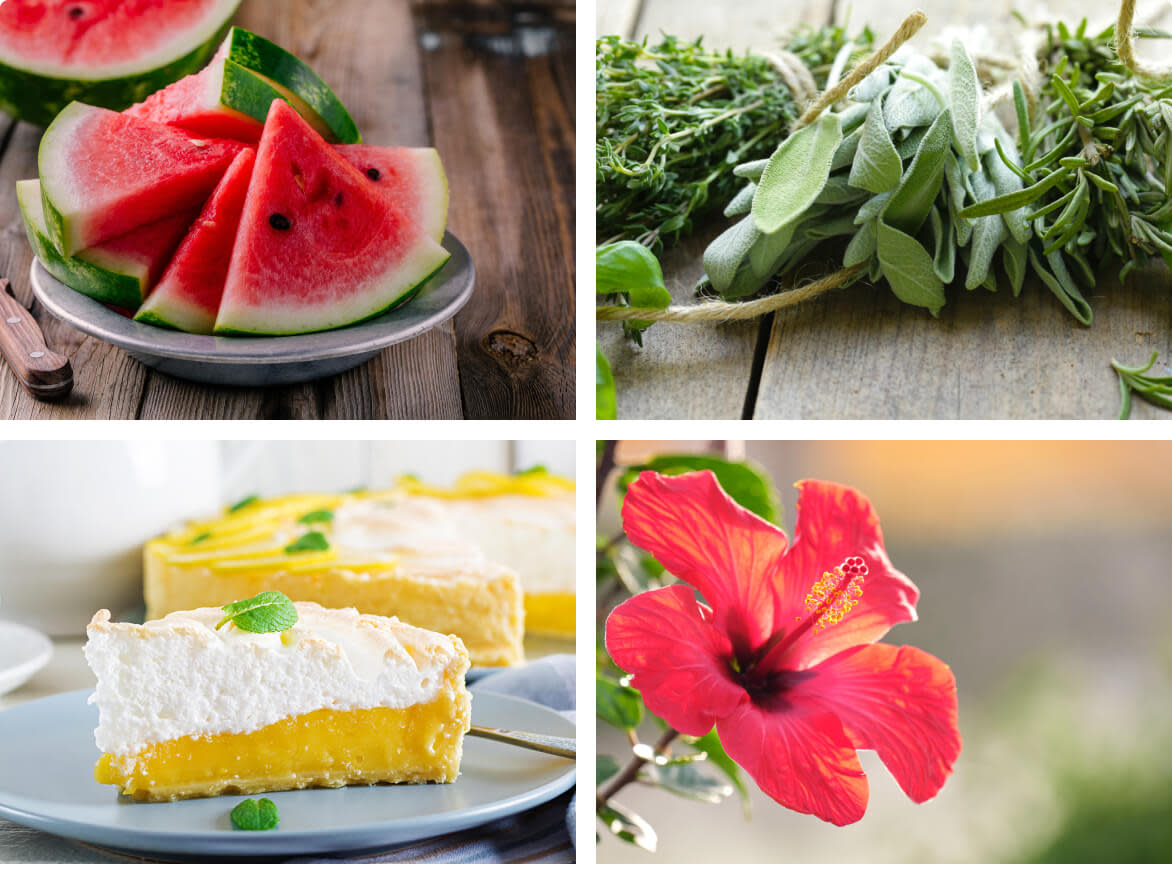
For a dry rosé, the flavors typically include light red berry and citrus (think strawberry, raspberry, watermelon, lemon and melon) with a floral nuance or notes of wild herbs. A sweet rosé, on the hand, will offer riper red-fruit notes, like cherry and strawberry cola.
Is Rosé Wine Sweet or Dry?
Most dry rosé are light-bodied, which is one reason it feels so easy to drink. Drier styles often feel lighter and more delicate on the palate, while more fruit-forward rosés can have a bit more weight and texture. Even so, dry rosé is fresher and less structured than red wine, which helps keep it versatile at the table. Sweet rosés can reach a medium or full body, depending on their sugar levels.
Acidity
Rosé wine’s acidity level is usually high (even for high-quality sweet rosés), which gives them a mouthwatering quality that keeps each sip feeling fresh. It also makes rosé especially pairable with food, since the acidity helps cut through richness and refreshes the palate.
Common Tasting Notes
Rosé wine’s tasting notes vary depending on the grapes, region and style, but a few patterns show up often. Color can be a good clue to flavor, but can also lead you astray. In general, pale rosés tend to be dry, citrusy, delicate, herbal and mineral-driven, while deeper, more vibrant rosés can be juicier with more berry ripeness and a plusher texture.
Classic Pale Style (e.g., Provence rosé or Chiaretto, an Italian rosato):
- Raspberry
- Watermelon
- Pink grapefruit
- Crushed stone or subtle minerality
- Rose petal
- Wild herbs
Fruit-Forward, More Structured Style (e.g., Tavel from the Rhône, Spanish rosado or California rosé):
- Strawberry
- Blood orange
- Hibiscus
- Subtle baking spice or pepper
Sweet Style (e.g., France’s Rosé d'Anjou or Pink Port):
- Ripe cherry
- Candied strawberries
- Lemon meringue
- Minty, peppery notes
Rosé Wine Pairings
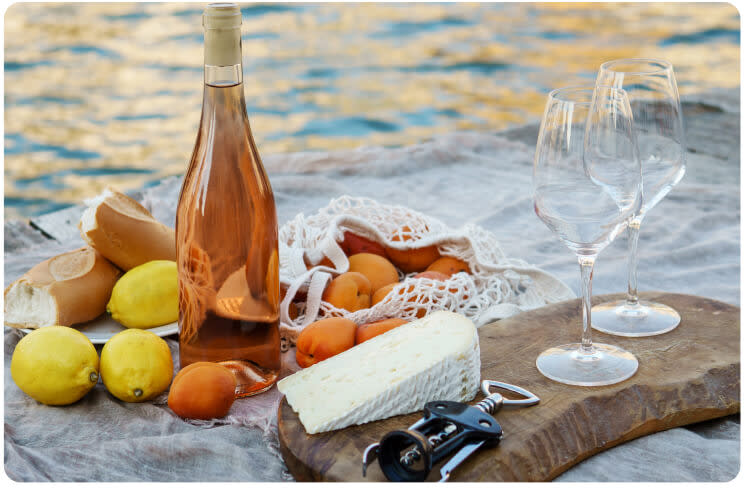
Rosé is one of the most flexible wines you can serve with food. Its acidity, light body and delicate fruit flavors character allows it to pair with dishes that are too delicate for red wine or too savory for many whites. It tends to shine with simple char-grilled meats, Mediterranean flavors, seafood, vegetables and dishes with herbs, spice or salt.
Pairing 1: Seafood and salads
Dry rosé works beautifully with grilled salmon, shrimp ceviche, tuna Niçoise and other fresh, bright dishes. Its acidity lifts the flavors much the way a squeeze of lemon would, while the fruit keeps the pairing balanced and easy to enjoy.

Pairing 2: Cheeses, antipasti, and picnic foods
Fresh goat cheese, burrata, salty prosciutto, olive tapenade and charcuterie all work well with rosé. Sweet rosés can work with a plate of cheese and cured meats, too, since the salty and sweet is a delicious combination and the rosé has enough acidity to refresh the palate.
Pairing 3: Spicy or boldly seasoned dishes
Because rosé doesn’t have the heavy tannins of red wine, it can be a smart choice with foods that are often tricky to pair. It pairs nicely with spicy Thai dishes and zesty Mexican food, along with meals where heat, herbs and acidity call for a wine that stays fresh and doesn’t overpower the flavors.
Still not sure what to serve with your rosé? Visit our Wine & Food guides to discover pairing ideas that bring out the absolute best in every bottle.
Notable Growing Countries & Regions
Rosé is made in wine regions all over the world, but some places have become especially important in shaping how people think about the style. Differences in climate, grape varieties and winemaking choices all play a role in how the wines are experienced.
France
- Provence—Located in southern France, this is the birthplace of rosé and the global reference point for dry rosé. Wines from Provence are pale, crisp and elegant, often made from Grenache, Cinsault and Syrah, with notes of tart strawberry, citrus, and subtle minerality.
- Tavel—Located in the Rhône Valley, Tavel produces a deeper-colored, more robust style of rosé. These wines are savory, structured and well suited to heartier meals.
- Loire Valley—Rosés from the Loire vary in style, but many are fresh and lively, often with a lighter body and appealing red-berry character.
- Rosé d'Anjou—Produced in the Anjou district in the western Loire Valley, Rosé d'Anjou is typically off-dry and fruit-forward, offering flavors of ripe strawberry, raspberry and watermelon. Its gentle sweetness and refreshing acidity make it an easy-drinking choice for warm-weather sipping and spicy foods.
- Champagne Rosé—Produced in the Champagne region of northeastern France, Champagne Rosé is a sparkling wine known for its elegance, fine bubbles and complexity. Typically made from Chardonnay, Pinot Noir and Pinot Meunier, it offers flavors of strawberry, raspberry and citrus layered with notes of brioche and toasted almond from extended aging.
Spain
- Navarra—Widely considered the historical heart of Spanish rosado. These wines are typically made from Garnacha and are known for their vibrant pink color and juicy red fruit flavors.
- Rioja—While famous for red wine, Rioja produces sophisticated rosés (often using Tempranillo) that tend to be a bit more structured and can sometimes show a touch of spice or oak.
- Cava Rosé—Produced primarily in the Penedès region of Catalonia, Cava Rosé is a traditional-method sparkling wine made from grapes such as Garnacha, Monastrell, Trepat and Pinot Noir. These vibrant sparkling rosés offer flavors of strawberry, raspberry and citrus, balanced by crisp acidity and fine bubbles.
Italy
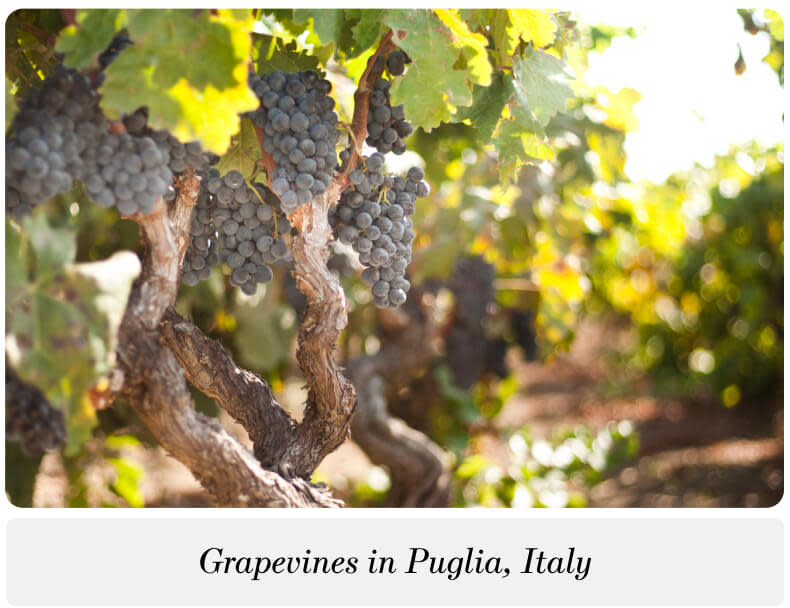
- Puglia—Known for "Salice Salentino" rosatos made from Negroamaro or Primitivo. These are often deep in color, intensely aromatic, and full of ripe strawberry flavors.
- Sicily—Rosato from the slopes of Mt. Etna is incredibly trendy right now. Made from Nerello Mascalese, these wines are pale, salty, and mineral-driven—very similar to the Provence style.
- Abruzzo—Home to "Cerasuolo d’Abruzzo," one of Italy's most unique rosés. It is deep cherry-red, medium-bodied, and savory enough to pair with pizza or roasted meats.
- Chiaretto—Produced around Lake Garda, particularly in the Bardolino area, Chiaretto is a pale, delicate rosé with bright acidity and flavors of strawberry, citrus and white peach.
- Prosecco Rosé—Made in northeastern Italy from Glera and Pinot Noir, Prosecco Rosé is a sparkling rosé known for its fresh berry flavors, lively bubbles and refreshing finish.
- Brachetto d'Acqui—Produced in Piedmont, this lightly sparkling rosé is highly aromatic, offering notes of rose petals, strawberry and raspberry. Often slightly sweet, it is a favorite for dessert pairings and festive occasions.
United States
- California—California producers make rosé from many different red grapes, including Pinot Noir, Cabernet Sauvignon, and Zinfandel. Styles vary, but many of the better bottles focus on dry, crisp, fruit-forward expressions rather than sweetness.
- Oregon—Rosé from Oregon is often made from Pinot Noir and tends to show bright acidity, freshness, and delicate red-fruit notes.
- Finger Lakes—This cool-climate region in New York produces vibrant rosés with lively acidity and refreshing fruit character. Many are made from Cabernet Franc and offer flavors of strawberry, raspberry and watermelon with a crisp, mineral-driven finish.
- Washington—Rosés from Washington are often made from Rhône varieties such as Grenache, Mourvèdre and Syrah, as well as Cabernet Sauvignon and Merlot. These wines typically combine ripe berry flavors with bright acidity and a dry, food-friendly style.
Serving Rosé Wine
Rosé should be properly chilled so its freshness, fruit and acidity stay in balance.
- Serving temperature: 45–55°F (7–12°C)
- Glassware: A standard white wine glass works well. The narrower bowl helps preserve the wine’s floral and berry aromas.
- Decanting: Usually not necessary. Rosé is generally meant to be enjoyed fresh and straight from the bottle.
If your bottle is very cold straight from the refrigerator, let it sit for about 10 to 15 minutes before pouring so the aromas can open up a bit. If it has been sitting at room temperature, chill it before serving so it keeps its crisp edge.
Our Wine How-To Guides section has more tips on how to best serve your wine.
Rosé Wine Origins
The rosé wine origin story goes back to the earliest days of winemaking. In ancient Greece and Rome, many wines were far paler than the heavily extracted reds that became common much later. With shorter skin contact, the wines people drank often looked and tasted closer to what we would now call rosé.
The modern style of dry rosé is closely associated with southern France, where producers refined the short maceration method still widely used today. Red grapes are crushed, and the juice remains in contact with the skins for a short period (sometimes only a few hours) before the skins are removed. The juice then ferments like a white wine. That process gives rosé its color and freshness without the heavier flavor, tannin and structure of red wines.
WSJ Wine Recommends
Cháteau de Vauclaire
This is a classic example of Provence rosé, made by a small, family-run château with organically grown grapes. It offers aromas of white flowers, citrus and fresh peaches. The palate offers similar flavors, led by notes of mandarin oranges.
Maison Maillet Bandol
The tiny seaside commune of Bandol is the most revered region in Provence. It offers the same profile and refreshment with extra elegance and concentration. This release from sixth-generation winemaker Jean-Claude Maillet has intense citrus and minerality, with creamy strawberry and cherry notes across a long, savory finish.
Field of Stones Rosé
The Forrest family crafts many of our best-selling New Zealand wines, and their pink Pinot Noir-led blend does not disappoint. Made with grapes from their stony Marlborough vineyards, it’s delightfully fresh and elegant, and only 9.5% ABV.

¡H! Barcelona Hola Cava Brut Rosé
This wonderful sparkling rosé is crafted by top Spanish winemaker Joan Soler in Penedès, the heart of Spain’s Cava region. Made using the same traditional method as Champagne, it’s elegant and expressive, with bright red fruit and fine bubbles.
Wyfold Vineyard Rosé
This luxurious, elegant sparkling rosé rivals pricey, pink Champagne and comes courtesy of an award-winning, boutique Oxfordshire estate. Look forward to lively bubbles, with classic biscuity, citrus and toasted berry notes.
Baronesa de Vilar Rosé Port
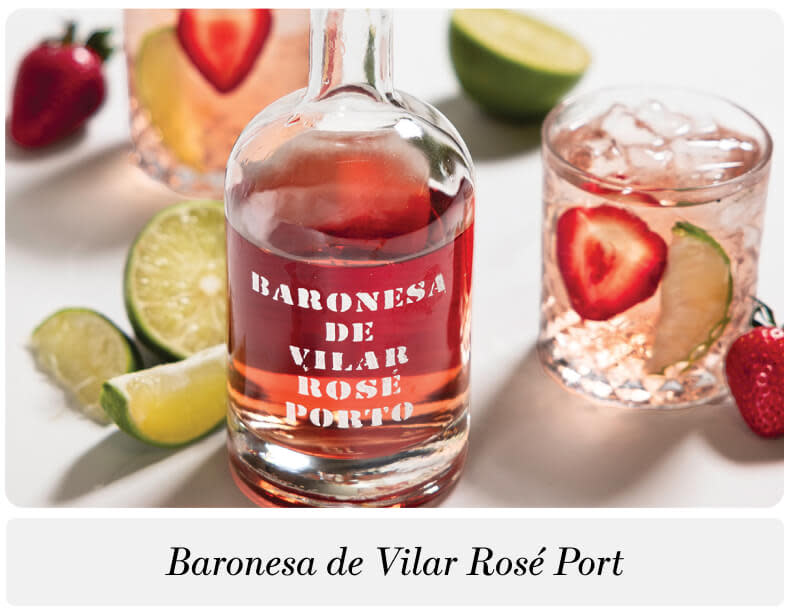
Pink Port is essential sipping in the trendy, riverside bars of Porto. This delight hails from our (famous) friends, the Van Zeller family. It’s lusciously sweet with heady aromas and flavors of strawberry and red cherry, edged with a juicy liveliness.
Rosé Review
Rosé is far more than a fun summer drink. It’s a versatile wine style that can be crisp and mineral-driven, savory and structured, or fruit-forward and generous depending on where it comes from and how it’s made. With a wide world of delicious pink wines out there, there’s just one thing left to say…rosé away!

AUTHOR
EILEEN, WINE ADVISOR TEAM MANAGER
I have always enjoyed working with passionate people that I can learn from. Most importantly, we are all partners in wine who continue to grow, challenge and share our knowledge daily. What could be better?
- WSET – Level 2 Wines & Spirits Certified
- Sake Level 1 Certified
Favorite Wine: Red Burgundy • Barolo • Rhone Reds • I’ve never met a rosé I didn’t like!
eileen@wsjwine.com | (203) 523-2161