Shipping to CT
Red WineWhite WineRosé WineSparkling WineMixed Wine$30+$20-$30$15-$20TrioSixTwelveFall Top 12 MixHaunting Halloween RedsItalian Holiday MixThanksgiving CollectionView AllBROWSE ALL MIXED WINE CASESRed Wine White WineRosé WineChampagne & SparklingDessert WineRed BlendWhite BlendArgentinaAustraliaChileFranceItalyNew ZealandPortugalSouth AfricaSpainUSABordeauxBurgundyCaliforniaLoire ValleyMendozaPiedmontRiojaRhôneTuscany and CentralVenetoCabernet SauvignonChardonnayMalbecMerlotMontepulcianoMoscatoPinot GrigioPinot NoirProseccoRieslingSauvignon BlancSyrah/ShirazZinfandelLow AlcoholAward Winning Red WinesAward Winning White WinesTop Rated Red WinesTop Rated White Wines90 Point WineDry Red WineFine WineBiodynamicOrganic GrapesVeganVegetarianBROWSE ALL WINESBROWSE LATEST OFFERSHappily Ever After WinesClassic Red & White WinesClassic Red WinesPremium Red WinesCorporate GiftingFoodiesHost GiftsBirthdayThank YouWeddingBoutique Bubbly SixWine & Cheese Lovers' Gift SetBest-Selling Reds SixBest-Selling Whites SixWine Gift BagsDartington DecanterSlate Cheese BoardRechargeable CorkscrewCrystal Champagne FlutesFrench-Style Steak KnivesBROWSE ALL GIFTSIntro to Wine & Food PairingRosé Food Pairing GuideChardonnay Pairing GuideWine & Cheese PairingsPairing Wine with LambItalian Food and Wine Pairing GuideWine ColorWine Cork vs. Screw CapHow to Hold a Wine GlassCheat Sheet to Wine Btl. SizesWomen Winemakers GuidePreserve & Store WineTaste Wine like an ExpertBest Dry White Wine for CookingWine for BeginnersChampagne vs. ProseccoPinot Grigio Wine GuideSauvignon Blanc GuidePinot Noir Wine GuideBest Non-Alcoholic WineBest Sparkling for MimosasWines for Patriotic 4th of JulyBest Wine & Champagne for a Wedding ReceptionCorporate & Business Wine Gift IdeasBROWSE ALL ARTICLESBROWSE ALL WINES
  • Home
  • wine blog
  • types of wine
  • The Ultimate Guide to Tempranillo Wine

The Ultimate Guide to Tempranillo Wine

Curious about Tempranillo? Learn what makes Spain’s favorite grape so popular, from its ripe berry profile to food matches and variety of styles by region.

September 30, 2026

By Karen, Personal Wine Advisor

What is Tempranillo? 

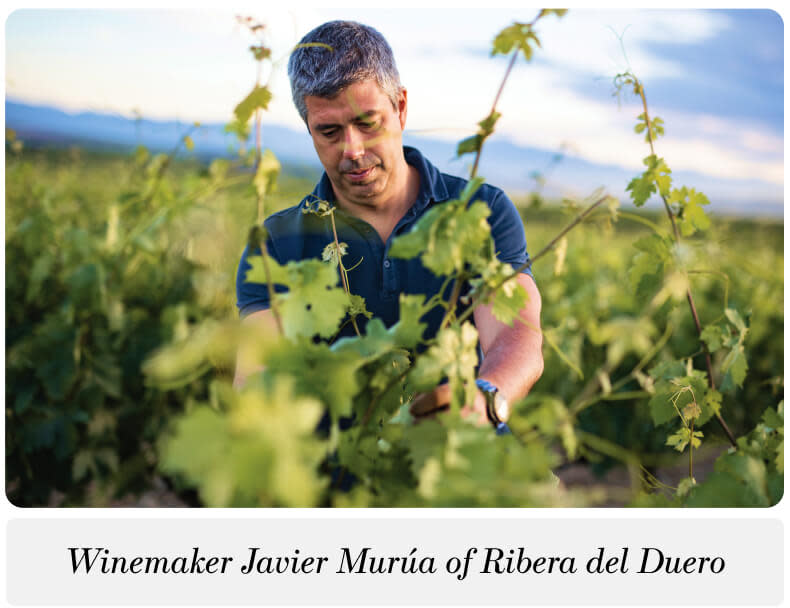
Tempranillo (pronounced temp-ra-nee-oh) is Spain’s signature grape and the backbone of many of the country’s most acclaimed wines, namely Rioja and Ribera del Duero. Its name derives from the Spanish word for early – tempra – a reference to the grape’s tendency to ripen earlier than many other of Spain’s red varieties.

Native to northern Spain, the grape is grown widely throughout the country under a large number of local synonyms and is often thought of as Spain’s premier grape.   

With around 230,000 hectares planted globally, Tempranillo is the third-most planted grape in the world. And most of that—around 90%—is found in Spain, with smaller amounts grown in Portugal, Argentina and Australia, plus a smattering in New Zealand,  California and the Pacific Northwest in the United States.   

Part of this grape’s appeal is its versatility. Depending on climate, vineyard location and winemaking approach, Tempranillo can produce anything from fresh, fruit-driven reds intended for early drinking to complex, cellar-worthy wines capable of evolving for decades. 


Tempranillo and its many aliases:

While known widely as Tempranillo, the grape appears under numerous regional pseudonyms: 

Spain

  • Ribera del Duero: Tinto Fino, Tinto del País 
  • Toro: Tinto de Toro 
  • Valdepeñas: Cencibel 
  • Catalonia: Ull de Llebre 
  • La Mancha: Ojo de Liebre 
  • Levante and Manchuela: Jancivera 

Portugal 

  • Douro: Tinta Roriz, Aragones, Aragonez, Tinta Aragoneza, Arinto Tinto, Tinta Roriz or Tinta de Santiago. 
  • Dão and Alentejo: Aragonêz 


What Does Tempranillo Wine Taste Like?

Tempranillo sits between the fresh, lighter style of Pinot Noir and the firmer structure of Cabernet.  

Young wines often show flavors of cherry, raspberry, plum and redcurrant, with subtle herbal or earthy nuances. They are defined by freshness rather than power. 

Add in oak aging and the variety takes on a fuller body and reveals its more savory side. Notes of dried fruit, tobacco leaf, leather, cedar and spice come through. The transition from vibrant fruit to nuanced complexity is one of Tempranillo's defining characteristics. 


Rioja and Tempranillo

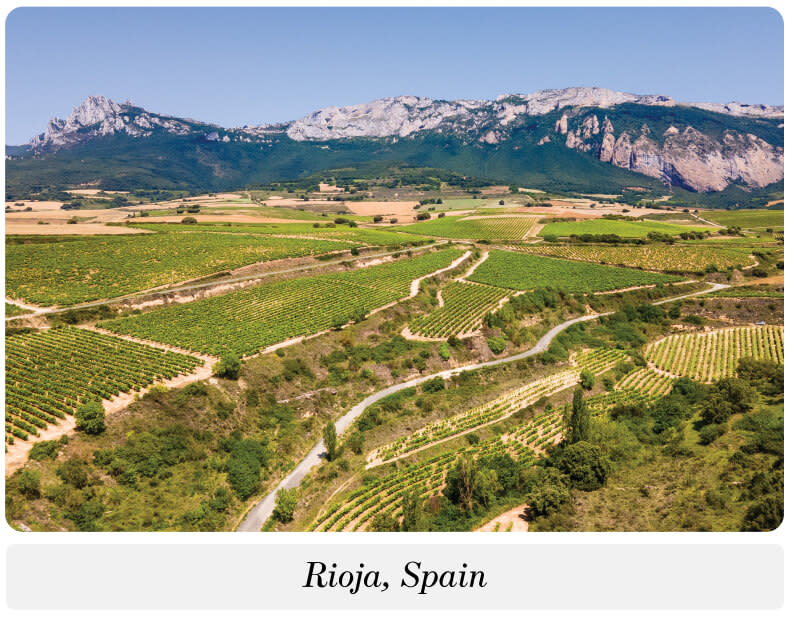
No other region is more closely associated with Tempranillo than Rioja. It is the majority grape in most of the region’s wines, often blended with small portions of indigenous varieties such as Garnacha, Graciano and Mazuelo (aka Carignan). Although these wines have a reputation for deep cherry and red berry fruit, they have also long been associated with oak. American oak typically contributes notes of vanilla, coconut and sweet spice, while French oak tends to deliver more subtle cedar, toast and baking-spice character. 


Rioja labelling 

Rioja’s wines are nearly always classified by age. Young expressions labelled joven do not have a minimum aging requirement and are often fresh with hints of strawberry. These wines rarely have any oak aging. 

Bottles labelled as Crianza are aged a minimum of two years, one of which must be in barrel, and are more complex, with cherry, plum, raspberry and tobacco leaf notes melding with touches of vanilla and spice from the oak.   

Reservas, aged at least three years, with at least one in oak, show off Tempranillo’s fruit flavors, marrying it with hints of tobacco leaf, leather, baking spice and sometimes coconut.  

Gran Reservas must spend two years in barrel and three years in bottle, and can be deeply savory, with complex, dark fruit and pronounced vanilla, coconut, cinnamon, tobacco leaf and leather flavors.  

Discover our full range of Rioja wines. 


Ribera del Duero’s claim on Tempranillo

While Rioja showcases Tempranillo’s affinity with oak, Ribera del Duero in northern Spain displays Tempranillo’s potential to produce wines with structure and power.  

Here, the grape goes by the name of Tinto Fino or Tinto del País. Vineyards tend to be high at around 1950 feet, so the climate is relatively cool and the ripening long and slow; occasionally harvest lingers into November (quite late by normal standards). As a result, the wines have deep color, intense flavor, high acidity and firm tannins, all of which allow these much sought-after wines to age many years. 


Is Spanish Tempranillo the Best? 

For sure, Spain still produces the benchmark for Tempranillo. Happily, however, the variety has been adopted much further afield with delicious and interesting results, albeit not always classic. 


Does Tempranillo Age Well?  

Tempranillo is among Spain's most ageworthy grape varieties. Its combination of acidity, tannin and concentrated fruit flavors gives the best examples the ability to develop gracefully over many years. 

As Tempranillo wine ages, its flavors evolve into more complex notes of dried fruit, leather, cedar, tobacco and spice. The texture becomes softer and more integrated, while oak-derived aromas meld with the underlying fruit. 

Be aware though, not all Tempranillo’s wines are built for aging. A rosado/rosé or joven style is best drunk young to fully enjoy its vibrant fruit character and freshness.  


Is Tempranillo a Dry or Sweet Wine?  

Tempranillo wines are dry, with juicy red fruit notes of cherry, strawberry, raspberry and plum—flavors that mellow with age.  


What Food Pairs Best with Tempranillo Wine? 

Tempranillo's versatility at the table is one of its greatest strengths. In its youthful form, the grape produces vibrant, fruit-forward wines that are enjoyable on their own, while oak-aged examples develop layers of savory complexity that make them particularly food-friendly. 

Try these pairings: 

Meat and Tempranillo 

Tempranillo's bright acidity and moderate tannins make it a natural partner for richer cuts of meat. Lamb is a classic match, particularly in Rioja, where grilled lamb chops are a regional staple. The wine's freshness balances the richness of the meat, while oak-aged styles often echo the smoky flavors created by grilling or barbecuing. 

Pork also works well, especially with younger, fruit-driven expressions, where the acidity cuts through fattier cuts. Lighter styles will complement chicken dishes, while mature Reserva and Gran Reserva bottlings are well suited to game dishes, where their mellow, savory complexity complements the meat. 

Hearty stews  

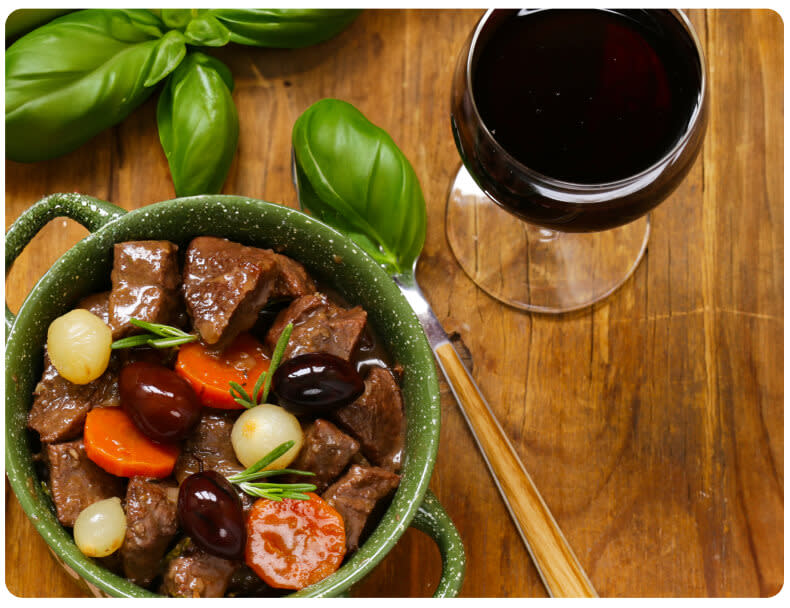
Richer, oak-aged examples of Tempranillo with softened tannins and complex fruit and oak spice notes pair naturally with a full-flavored, long-cooked casserole—try with braised beef or lamb, or a traditional Spanish stew such as estofado de ternera. 

Classic Spanish dishes like pork with garlicky butter beans or sausage and lentils are a magical combination with a fruitier style of Tempranillo.  
Rice dishes

A ripe-fruited Tempranillo can handle the spice and richness of rice-based dishes like chorizo pilaf or a seafood and chicken paella. Wines with moderate oak influence pair well with poultry dishes, particularly those with a Mediterranean slant, such as a chicken tagine flavoured with olives and preserved lemon.  

Tempranillo rosé is often an overlooked option to serve with seafood paella and would also work well with vegetable-based rice dishes.   

Cheese  

Young fruity Tempranillo pairs with soft, creamy cheeses thanks to its freshness and red-fruit character, while more intense Reserva styles are better suited to firmer cheeses like Manchego, Comté or other nutty, aged European styles.

Roasted Vegetables

Roasting brings out the sweetness and earthy character of vegetables like carrots, parsnips and beetroot. These flavors can echo the umami nuances found in oaked Tempranillo.


How to Serve Tempranillo Wine 

A classic red wine glass is best for serving Tempranillo, so you can gently swirl the wine and release its complex aromas.   

Many oak-aged Tempranillos, especially Reservas and Gran Reservas, will benefit from decanting, helping to release the flavors and soften any edges. For most wines, decanting 30 minutes beforehand will be sufficient.  

Younger and lighter styles of Tempranillo, and Tempranillo rosés, do not usually need to be decanted.  


Should You Chill Tempranillo Wine?  

Most Tempranillo is best served at a cool room temperature (60-64°F). Light, fruity styles of Tempranillo can be lightly chilled—say, 30 minutes in the fridge to lend a fresher edge, especially pleasing in warmer weather.   

Pink versions are best served well chilled to around 44-46 °F —that’s about two hours’ chilling in the fridge or 30 minutes in a bucket of ice and water.  

Explore our great range of Tempranillo wines.


WSJ Wine Recommends

AUTHOR

KAREN, PERSONAL WINE ADVISOR

The best moments of life involve entertaining friends and family over great meals, great wine and genuine laughter. I sometimes can’t believe that I get to do this for a living!

  • WSET – Level 2 Wines & Spirits Certified

Favorite Wine: Rhône Reds • Sonoma Reds • Barrel-Aged Rioja • If I can get a good, sumptuous lip smack from my glass, I am pleasantly charmed!

karen@wsjwine.com | (203) 523-2157