
Shipping to CT
Red WineWhite WineRosé WineSparkling WineMixed Wine$30+$20-$30$15-$20TrioSixTwelveLocals' Summer Picks MixPortuguese Reds Taste TourTop 12 Italian Discoveries Mix90+ Point Summer Adventure RedsView AllBROWSE ALL MIXED WINE CASESRed Wine White WineRosé WineChampagne & SparklingDessert WineRed BlendWhite BlendArgentinaAustraliaChileFranceItalyNew ZealandPortugalSouth AfricaSpainUSABordeauxBurgundyCaliforniaLoire ValleyMendozaPiedmontRiojaRhôneTuscany and CentralVenetoCabernet SauvignonChardonnayMalbecMerlotMontepulcianoMoscatoPinot GrigioPinot NoirProseccoRieslingSauvignon BlancSyrah/ShirazZinfandelLow AlcoholAward Winning Red WinesAward Winning White WinesTop Rated Red WinesTop Rated White Wines90 Point WineDry Red WineFine WineBiodynamicOrganic GrapesVeganVegetarianBROWSE ALL WINESBROWSE LATEST OFFERSHappily Ever After WinesClassic Red & White WinesClassic Red WinesPremium Red WinesCorporate GiftingFoodiesHost GiftsBirthdayThank YouWeddingBoutique Bubbly SixWine & Cheese Lovers' Gift SetBest-Selling Reds SixBest-Selling Whites SixWine Gift BagsDartington DecanterSlate Cheese BoardRechargeable CorkscrewCrystal Champagne FlutesFrench-Style Steak KnivesBROWSE ALL GIFTSIntro to Wine & Food PairingRosé Food Pairing GuideChardonnay Pairing GuideWine & Cheese PairingsPairing Wine with LambItalian Food and Wine Pairing GuideWine ColorWine Cork vs. Screw CapHow to Hold a Wine GlassCheat Sheet to Wine Btl. SizesWomen Winemakers GuidePreserve & Store WineTaste Wine like an ExpertBest Dry White Wine for CookingWine for BeginnersChampagne vs. ProseccoPinot Grigio Wine GuideSauvignon Blanc GuidePinot Noir Wine GuideBest Non-Alcoholic WineBest Sparkling for MimosasWines for Patriotic 4th of JulyBest Wine & Champagne for a Wedding ReceptionCorporate & Business Wine Gift IdeasBROWSE ALL ARTICLESBROWSE ALL WINES
  • Home
  • wine blog
  • wine 101
  • Guide to Dry Red Wine: What It Is, Examples, and Types

Guide to Dry Red Wine: What It Is, Examples, and Types

Learn what dry red wine is, explore popular types and examples, and discover flavor profiles, styles, and tips for choosing the perfect bottle.

June 23, 2026

By Karen, Personal Wine Advisor

In wine, the term “dry” signifies that the wine is not a sweet wine. However, some dry red wines still contain some residual sugar. The following guide will help you understand what constitutes a “dry red wine,” why some dry red wines are perceived as having sweetness and look at some of the many styles of dry red wines that are worth exploring. 


What Is a Dry Red Wine?

A dry red wine is a red wine with very little residual sugar left after fermentation. 

During fermentation, yeast converts the grape’s natural sugars into alcohol. For sweet and semi-sweet wines, the fermentation process will allow varying degrees of sugar to remain. This is referred to as residual sugar in winemaking terms.

For a dry red wine, the fermentation ends when most of that sugar is converted to alcohol, meaning there is very little residual sugar. (Even the driest reds on the market have trace amounts of residual sugar.) 

However, there are many wines that are classified as dry reds that have around 2 to 10 grams of residual sugar per liter. These are typically your richer red wines, such as California Cabernet or entry-level Australian Shiraz. But there are also more commercial reds that really stretch the label of a “dry red wine,” and include 12 to 15 g/l.

The thing that trips many people up is this: That ripe fruit flavor you’re tasting in a red wine does not necessarily mean it has more residual sugar. 

A dry red can still have little residual sugar and offer ripe flavors that can sometimes be mistaken for sweetness. Those flavors come from the grape and the fermentation process, not from leftover sugar.


What Do Dry Red Wines Usually Taste Like?

Dry red wines can span the entire range of red wine flavors, from lighter red fruit notes like cranberry and raspberry to darker fruit notes such as blackberry and cassis. They also run the gamut from savory, earthy notes to rich baked flavors like baked fig. These flavors are typically determined by the grape variety, ripeness levels and other climatic factors and winemaking choices. 

Oak barrel aging can also add “sweet” notes, like vanilla, cinnamon, cloves and tobacco, along with cedar and spice complexity.

What will dry red wines not taste like? They won’t have a cloying, sugary taste and overt sweetness that you get from dessert wines like Port and Sauternes.


Dry vs Tannic

“Dry” and “tannic” are often confused, but they describe two different things.

Dryness refers to sugar. Since dry red wine has very little residual sugar, it doesn’t taste overtly sweet. They can taste austere or they can taste opulent, depending on the style of the wine. 

Tannic is used to describe a wine with noticeable tannins, which are a distinct element of a wine. Tannins come from grape skins and seeds, and in some wines, from oak barrel aging. They provide a drying, grippy texture that you often notice on your tongue or along your cheeks after a sip of red wine. They can taste bitter sometimes. 

A wine can be dry and tannic with a more austere palate. Barolo is a good example. Or it can be dry and tannic with an opulent palate, like Napa Cabernet. (Often, even though these full-bodied dry red wines are high in tannin, they are not described as tannic, since the drying, grippy sensation of tannins is less central.)  

Pinot Noir, on the other hand, is a dry red wine that’s low in tannin, which contributes to its smooth, light-bodied texture.

A wine can also be sweet and tannic. In good cases, such as Vintage Port, the high tannins have aged and mellowed out for many years, and they provide an incredibly rare grippy structure among the rich sweetness of the dessert wine.
On the other hand, many poorly made red wines will try to cover for high, unpleasantly tough and bitter tannins with the softening sweetness of residual sugar. 

When choosing red wine, it’s good to start by choosing dry or sweet, a decision that’s heavily dependent on the food you’re eating and the desired experience. Is it a red wine to pair with a meal? In many cases, a dry red wine is the way to go. But if you’re serving dessert or just looking for a sweet nightcap, a sweet wine is your best option. 

Once you’ve chosen dry or sweet, you can think about how tannins will affect the experience. 

A tannic, dry red wine is perfect for meaty, fatty dishes. The tannins bind the proteins and fats, which softens their texture and cleanses the palate for the next bite. But even the best tannic red wine will taste bitter and flabby when paired with overly salty, spicy, sweet dishes or delicate meats, like fish or shrimp. While tannic, dry red wines vary, as do personal tastes, they are not always best enjoyed on their own, especially if they have an overtly drying, grippy sensation. A dry red wine with smooth, mellowed tannins (from aging in barrels and/or bottles) or low tannin levels is a much better choice for lighter meals or sipping a glass on its own. 


Types & Examples of Dry Red Wines

Any red grape variety can be used to make a dry red wine or a sweet red wine. It all comes down to the winemaker’s choices and desired style. The grape varieties listed below make up the majority of dry red wines available.

Cabernet Sauvignon

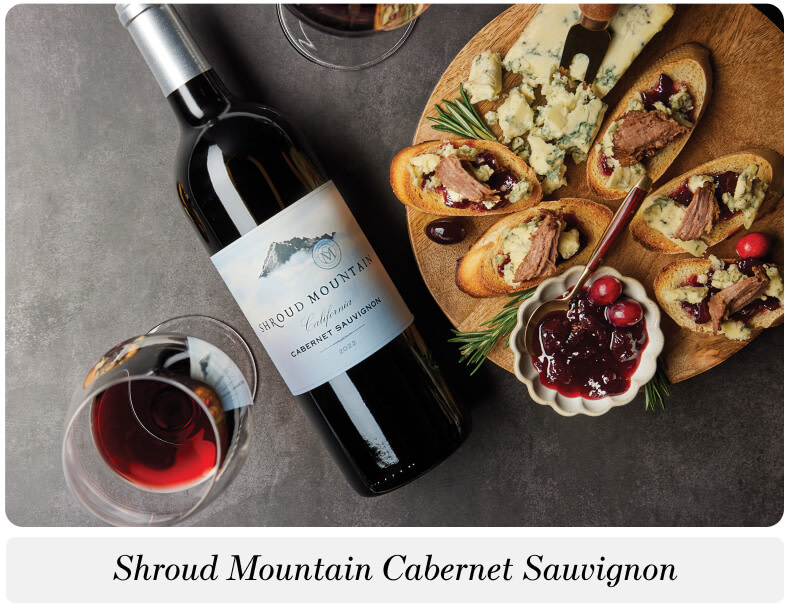
Cabernet Sauvignon is one of the world’s most famous grape varieties used to make dry red wines. Expect a full-bodied red with firm tannins and dark fruit flavors such as blackcurrant, blackberry and plum, often with cedar, tobacco, or spice. A great pairing for steak, roast beef, lamb or mature cheeses.

Merlot

Merlot is smooth, rounded and easy to enjoy. Its tannins tend to be softer than those of Cabernet Sauvignon and its flavors typically range from raspberry to black cherry, and sometimes chocolate. Try it with roast chicken, pork, tomato-based pasta or burgers.

Pinot Noir

Pinot Noir is a light-bodied red with silky tannins, bright acidity and delicate red fruit flavors. You’ll often find cherry, raspberry, cranberry, spice, floral notes and an earthy character. It’s a natural partner for roast poultry, mushroom risotto, grilled salmon, charcuterie, and soft cheeses.

Malbec

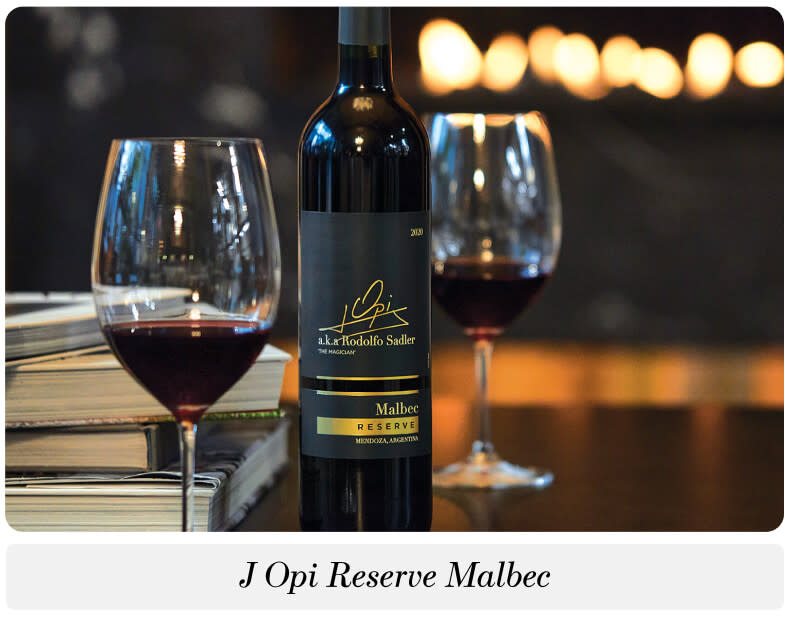
Malbec found its modern home in Argentina. It’s typically medium- to full-bodied, with polished tannins and dark plum, blackberry, black cherry, cocoa, spice or smoke. Open a bottle with grilled meats, barbecue, sausages, or deeply flavored vegetable dishes. 

Tempranillo

Native to Spain, Tempranillo offers red cherry, plum, vanilla, spice, tobacco, and sometimes leather, especially in those that have developed in bottle for a number of years. It’s a wonderful choice for lamb, sausage and grilled chicken.

Sangiovese

Sangiovese, the star grape of Tuscany, offers bright acidity, tart cherry flavors, herbal notes and firm tannins, which make it especially good with food. Serve it alongside tomato-based pasta, pizza, grilled meats, roasted vegetables or hard cheeses.
Nebbiolo

Native to Piedmont in northern Italy, Nebbiolo makes for powerful, age-worthy reds. It’s known for high tannins, bright acidity, and complex notes of cherry, dried rose, tar, truffle, herbs and spice. Pair with rich meat dishes, truffle pasta, risotto or mature cheeses.

Shiraz / Syrah

Shiraz and Syrah are the same grape variety, but the name often hints at the style. Native to France, Syrah is savory with dark fruit flavors and smoky, peppery notes, while Australian Shiraz tends to be bold, ripe, and generous, with blackberry, plum, chocolate and spice. Both are great for bold meat dishes, like lamb chops, steaks and ribs.

Zinfandel

Zinfandel is strongly associated with California, where it produces bold, fruit-rich reds with blackberry, raspberry jam, pepper and spice. Its generous flavor makes it a good choice for barbecue, ribs, burgers, and smoky dishes. (Not to be confused with White Zinfandel, which is a sweeter rosé-style wine).


How to Choose Dry Red Wine

Choosing dry red wine gets much easier when you start with body and tannins, then use flavor intensity to fine-tune the match for the food or occasion.

Body

“Body” describes how light or full the wine feels in your mouth. Pinot Noir is usually lighter, Merlot and Tempranillo sit comfortably in the middle, and Cabernet Sauvignon, Malbec, Shiraz, and Nebbiolo are fuller-bodied.

As a simple rule, match the weight of the wine to the richness of the food. Lighter reds suit lighter dishes, while full-bodied reds work better with heavier meals.

Tannins

Tannins shape the texture of red wine. Low-tannin reds are lighter, while more tannic reds have a firmer, more defined texture.

Flavor Intensity

If you’re looking for an elegant, ethereal dry red wine, try Pinot Noir (especially those from Burgundy), Gamay (the star grape of Beaujolais) and Frappato. If you’re looking for a bolder, more concentrated dry red wine, go for Cabernet Sauvignon, Syrah, Shiraz and Malbec. 


Dry Red Wines to Try

Lighter, low-tannin dry red wines
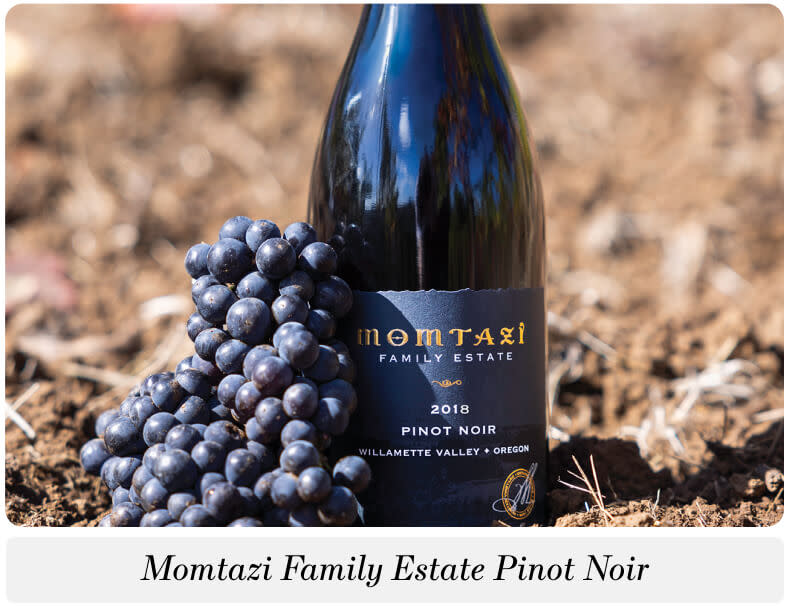
  • Momtazi Family Estate Pinot Noir: This dynamic release from one of the families that put Oregon wine on the map shows you what Pinot is capable of: equally light and exquisite as it is dark-fruited, concentrated and complex. 

  • Casa Giona Bardolino: Made with the Corvina predominantly, this light and fragrant red from northeastern Italy is bursting with juicy red cherries, berries and hints of violets
Smooth, medium-bodied dry red wines
  • Château Le Coin: This Bordeaux is a classic blend of Cabernet Sauvignon and Merlot. On the palate, velvety tannins introduce fresh black-fruit flavors. Hints of clove and nutmeg grace the smooth, lingering finish.

  • Pagos de Tahola: Rioja is Spain’s top spot for fine Tempranillo. Crafted from her family’s prized 60-year-old vines and aged in barrel and bottle, Ruth Chavarri’s plush Reserva is a mellow, red-fruited beauty.

Structured, full-bodied dry red wines
  • Touché Cabernet Sauvignon: This Napa Valley Cabernet from legendary winemaker William Knuttel is a dry, full-bodied red wine with ripe black cherry, black currant, cranberry, spice, cocoa powder and vanilla.

  • Il Poeta Barolo del Comune del Barolo: Made with Nebbiolo in the tiny commune of Barolo (within the wider Barolo wine region), this fine dry red wine offers classic violet, blackberry, currant and cherry characters, plus delicate spice and balsamic notes


Frequently Asked Questions

Is dry red wine always bitter?

No. Dry red wine isn’t always bitter. Dryness means the wine has little residual sugar, while bitterness usually comes from tannins. A red with soft tannins, such as Merlot, feels smooth and easy to drink.

How do I know if a red wine is dry before buying it?

Most red wines are dry unless the label or product description says otherwise. Look out for words that refer to sweet wine styles or methods, such as dulce, dolce, amabile, doux, doce, moelleux, liquoreux, passito, late harvest (Spätlese in German), Auslese, Beerenauslese, Trockenbeerenauslese, noble rot, vino de postre, Tokaji Aszú. If you’re shopping online, the description will often include the sweetness level and style.

Can dry red wine taste sweet?

Yes, but that sweetness is usually ripe fruit flavors rather than sugar if the wine is categorized as a dry wine (though big commercial brands may push the limit when it comes to residual sugar included). Ripe flavors such as blackberry, plum, cherry and raspberry can make a dry red seem sweet.

What makes one dry red wine stronger or more intense than another?

Grape variety, climate, alcohol level, tannins, oak aging and concentration all play a part. For example, a warm-climate, barrel-aged Cabernet Sauvignon will usually taste bigger and more intense than a cool-climate, unoaked Pinot Noir.

Are all expensive red wines dry?

No, but most premium red wines are dry. Fine reds usually focus on balance, structure, complexity, and regional character rather than sweetness. There are exceptions, especially in dessert wine styles, such as Port, so it’s worth checking the label or product description before buying.

Should dry red wine be served chilled or at room temperature?

Dry red wine is usually best served slightly cooler than modern room temperature. Aim for around 60–65°F (15–18°C) for most medium- and full-bodied reds. Lighter reds, such as Pinot Noir and Gamay, can be served a little cooler, around 55–61°F (13–16°C).


The Final Word on Dry Red Wine

Dry red wine is easier to understand once you separate sweetness from texture. Dry simply means the wine isn’t sweet. Body, tannins, grape variety and region shape how light, smooth, bold, or intense it feels in the glass.

The more you taste, the more you’ll notice what you love: silkiness or tannic grip, red fruit or dark fruit, cedar notes from French oak barrel aging or vanilla from American oak, freshness or richness.


WSJ Wine Recommends

AUTHOR

KAREN, PERSONAL WINE ADVISOR

The best moments of life involve entertaining friends and family over great meals, great wine and genuine laughter. I sometimes can’t believe that I get to do this for a living!

  • WSET – Level 2 Wines & Spirits Certified

Favorite Wine: Rhône Reds • Sonoma Reds • Barrel-Aged Rioja • If I can get a good, sumptuous lip smack from my glass, I am pleasantly charmed!

karen@wsjwine.com | (203) 523-2157